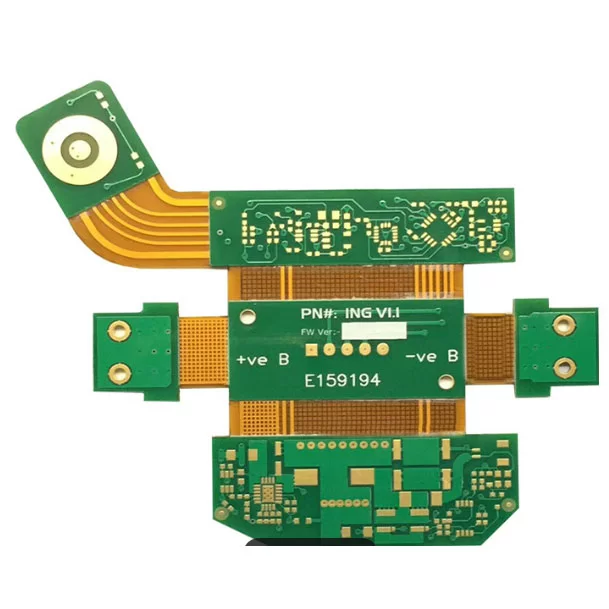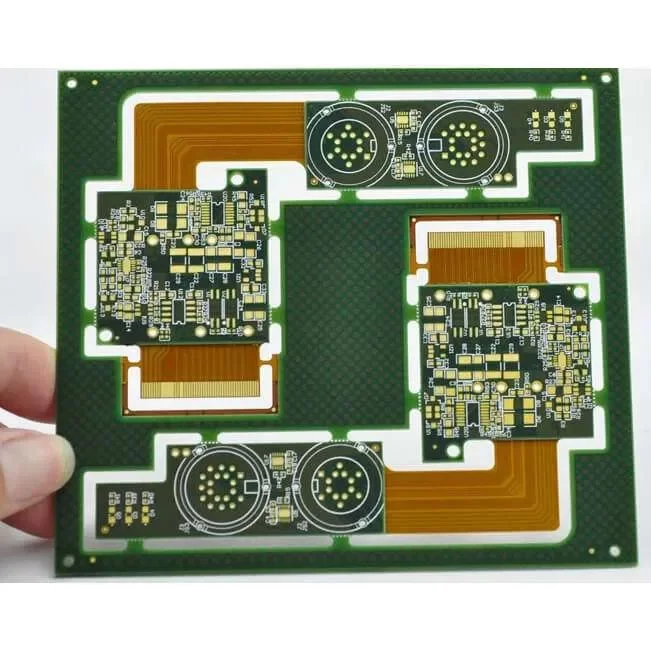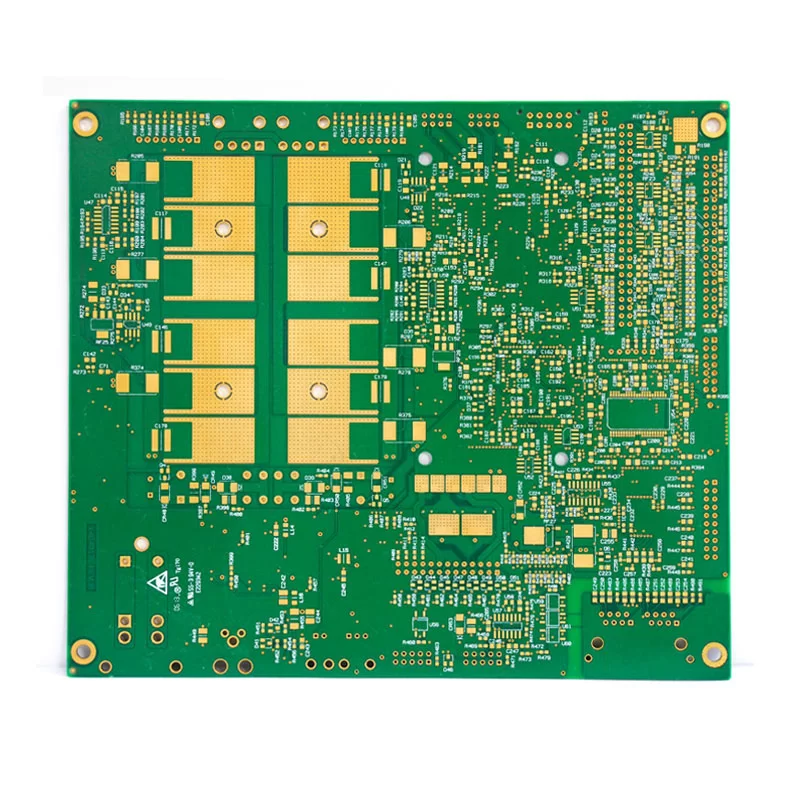
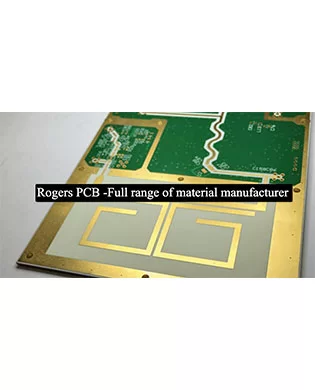
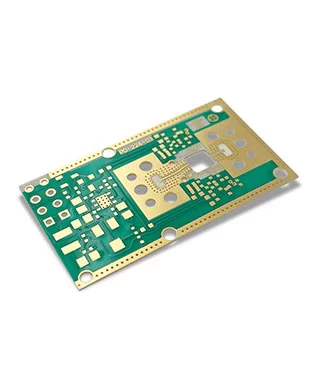
Rogers Substrate PCB
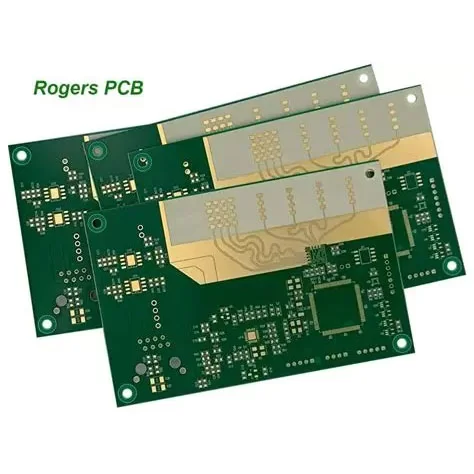
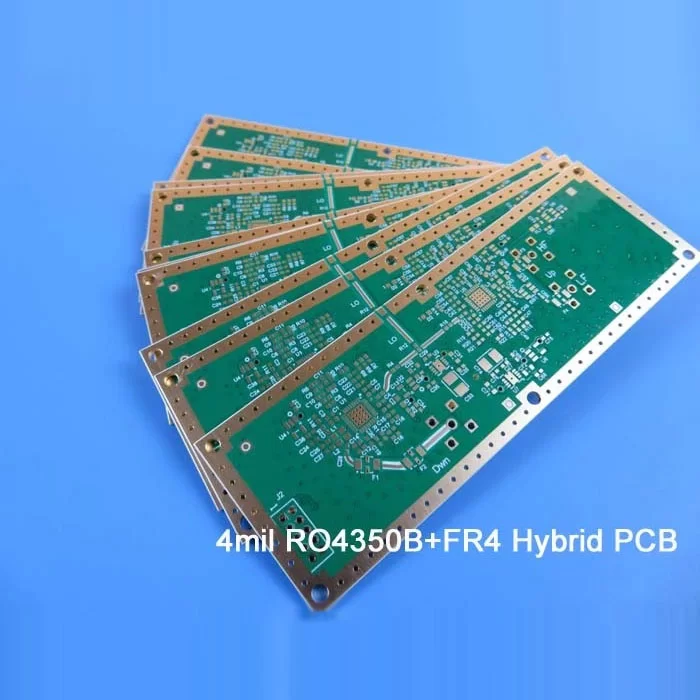
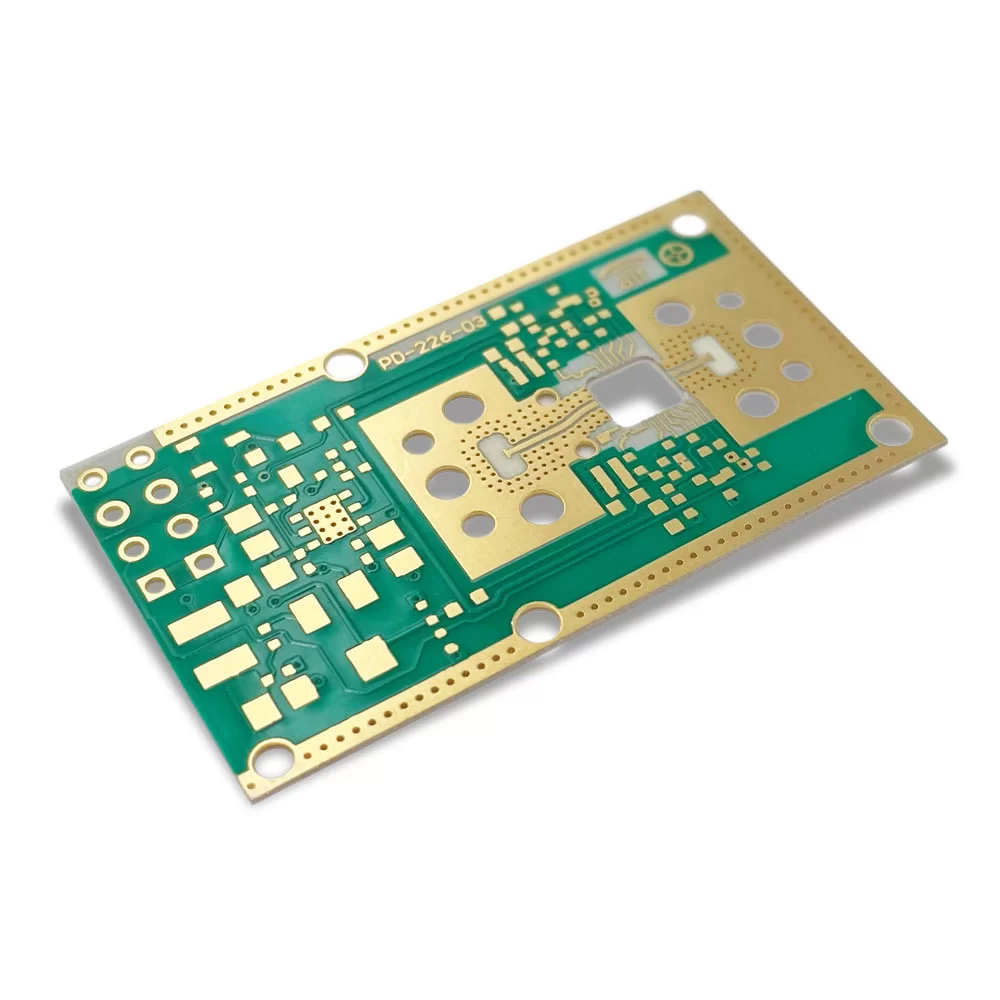
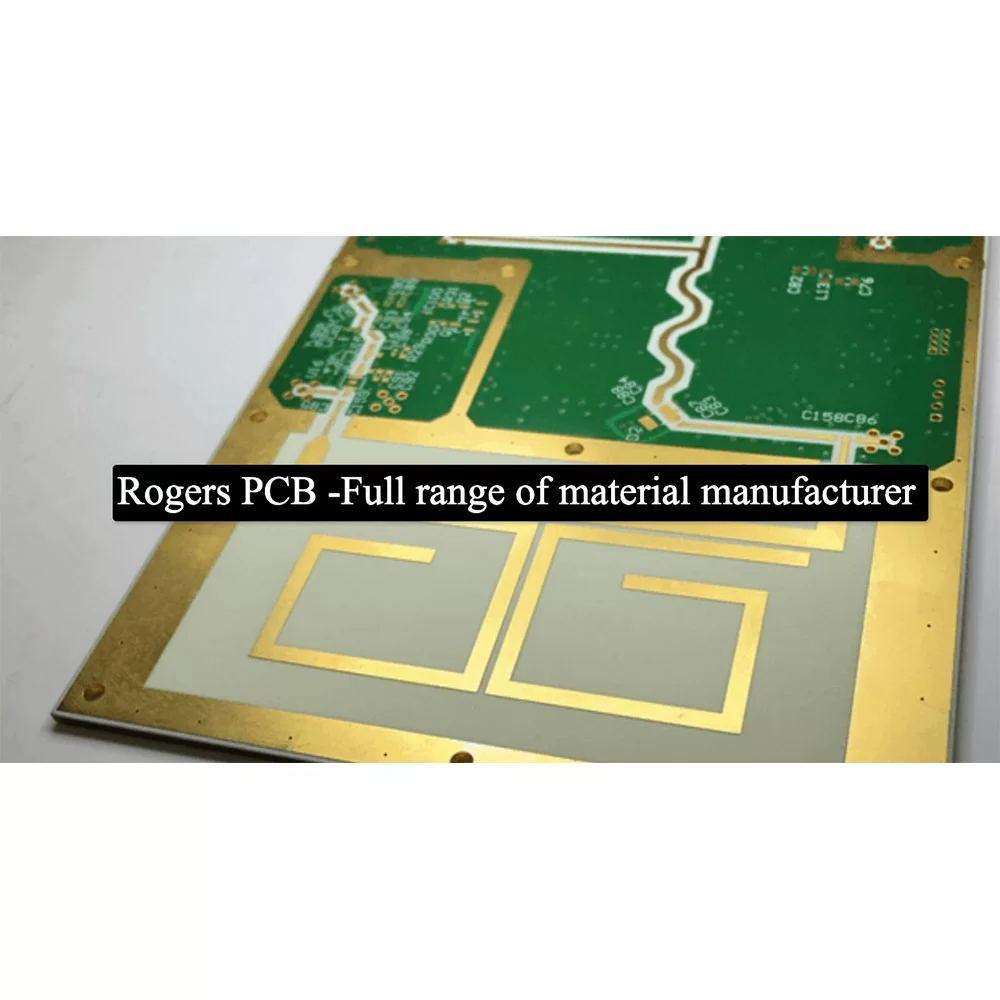
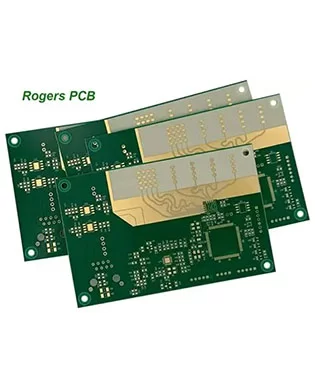
Data Sheet
Model: Rogers Substrate PCB
Material: rogers PCB material
Quality standard: IPCB6012 Class2 or Class3
- Rogers PCB material dielectric constant: 2.2-16
- The texture of material: rogers ceramic PCB
- Layers: 1layer – multilayer hybrid PCB
- Thickness: 0.1mm-12mm
- Copper thickness: 0.5oz-3oz
- Surface technology: Silver, Gold, OSP
- Application: High frequency rogers microwave PCB
Advantages
Good rigidity, mechanical and electrical properties, and easy hole metallization
- Rogers PCB plate thickness has high accuracy
- Rogers substrate PCB has good copper sheet adhesion, high heat dissipation capacity, good peel strength, no delamination, and blistering
- The processing cost of Rogers PCB is compatible with FR-4 processing technology, but the plate cost is high.
- Rogers substrate PCB is the most stable material in the industry. It has the characteristics of low dielectric loss and low water absorption, and the dielectric constant (DK) changes stably with frequency. It has a low exhaust rate in aerospace applications. It is widely used in high reliability, aerospace, and national defense applications or harsh environment applications.
Applications
Automotive anti-collision systems
- Satellite systems
- Radio system
- Radar system
- Cell phone receiving base station
- Communication industry
- Network technology field promotion
- The high-speed information processing system
- Active Safety
- Antenna Systems
- Communications Systems
- Wireless & Wi-FI
- Power Amplifiers
- Telematics and Infotainment
- Computing & IP Infrastructure
- Test & Measurement
Material Properties
High frequency, low DK and low loss.
Stable dielectric constant (Dk) over wide frequency range.
- Wide dielectric constant range.
- Excellent chemical resistance, highly robust in a hush environment.
- Low outgassing for space applications.
Rogers substrate PCB series
3000 Series(PTFE + Ceramic/PTFE + Ceramic glass fiber, DK= 3.0-10.2) : RO3003, RO3003G2, RO3035, RO3006, RO3010, RO3203, RO3206, RO3210
4000 Series (Hydrocarbon + PTFE, DK= 3.38 – 6.15) : RO4350B, RO4003C, RO4835, RO4360G2
(Hydrocarbon + PTFE + Ceramic glass fiber, DK= 3.3 – 3.5) : RO4533, RO4534, RO4535, RO4725JXR, RO4730JXR, RO4730G3
5000 Series (Glass fiber + PTFE, DK = 1.96 – 2.33) : RT/ duroid 5880, RT/ duroid 5880LZ, RT/ duroid 5870
6000 Series: It is designed for electronic circuits and microwave circuits requiring a high dielectric constant.
(PTFE + Ceramic, DK = 2.94 – 10.2 ) : RT/ duroid 6002, RT/ duroid 6006, RT/ duroid 6035HTC, RT/ duroid 6010LM
(PTFE + Ceramic glass fiber, DK = 2.9 – 10.2) : RT/ duroid 6202, RT/ duroid 6202PR
TMM Series (Hydrocarbon + Ceramic, DK = 3.27 – 12.85 ) : TMM3, TMM4, TMM10, TMM10i, TMM13i
Other: Kappa 438
Prepreg: RO4450B, RO4450F
Bonding fiIm: 2929, 3001, ULTRALAM3908, RO3003, RO3006, RO3010, RT/ duroid6002
If you have any camping barbeque equipment inquiry, please feel free to contact us.
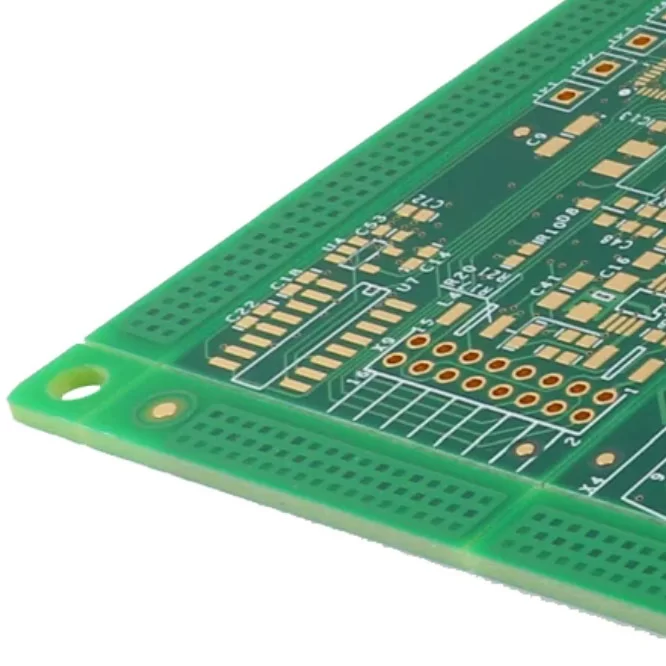
FR-4 stands out as one of the most versatile options. The composition of an FR-4 printed circuit board comprises a woven glass fabric reinforcement impregnated with a flame-retardant epoxy resin binder.
-20251124061922.webp "New Energy Vehicle Charging Pile PCBA")
PCB type: Rigid PCB
Layer: Multi-layer
Base material: FR-4
Solder mask: Green
Silk screen: White
Surface treatment: HASL
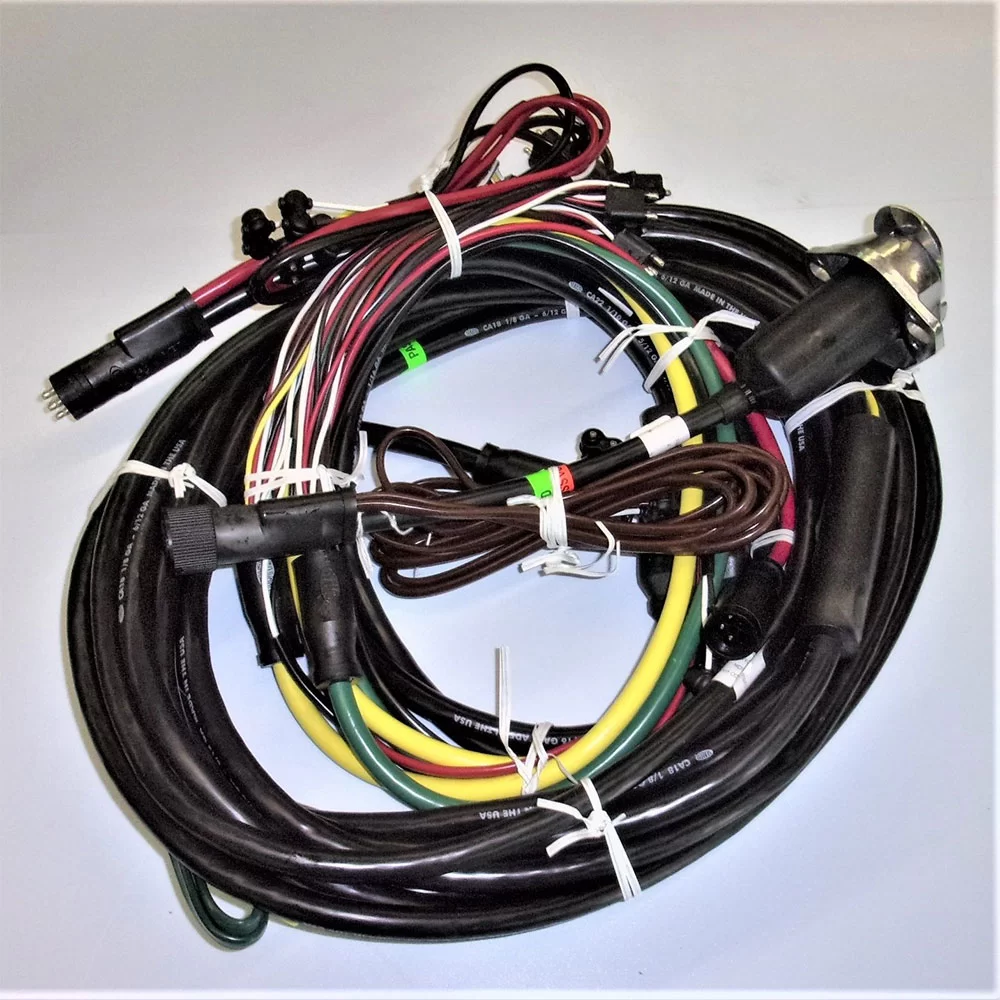
A truck wire harness is like the nervous system of a truck. It is a group of wires, connectors, and terminals that link all the electrical parts together.