What is FR-4 PCB?

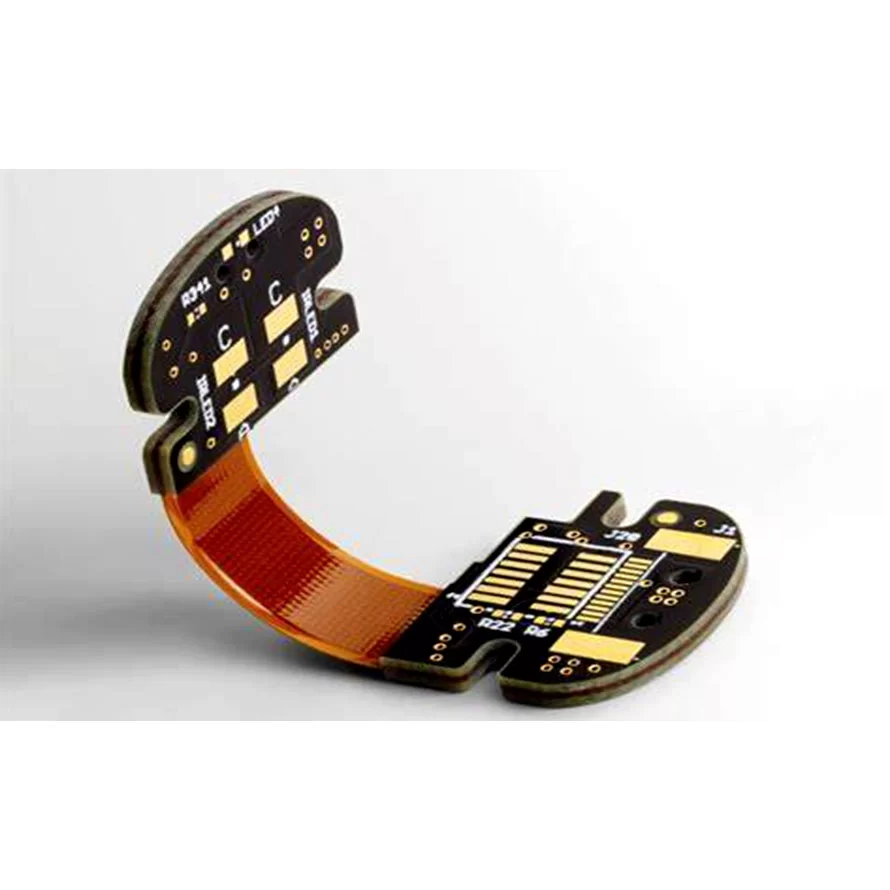
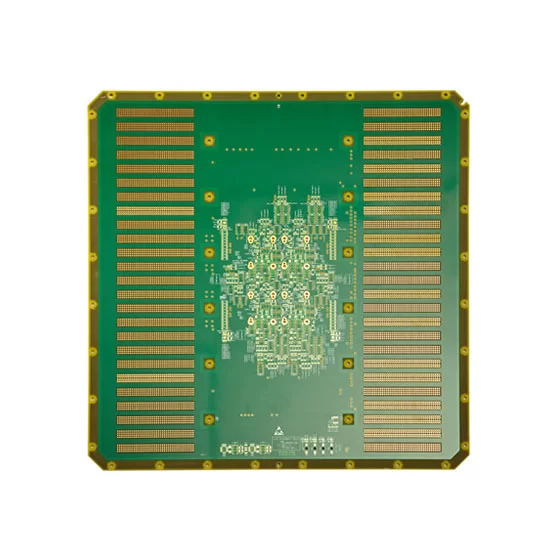
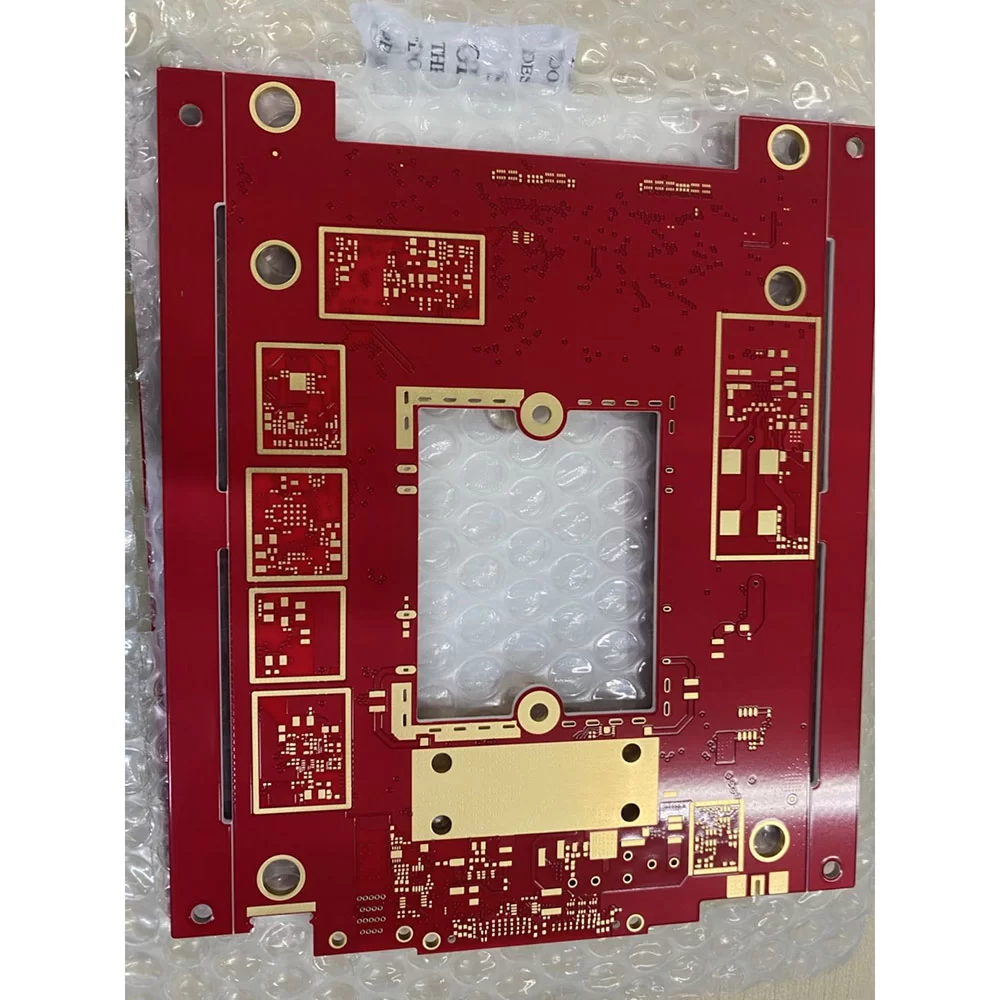
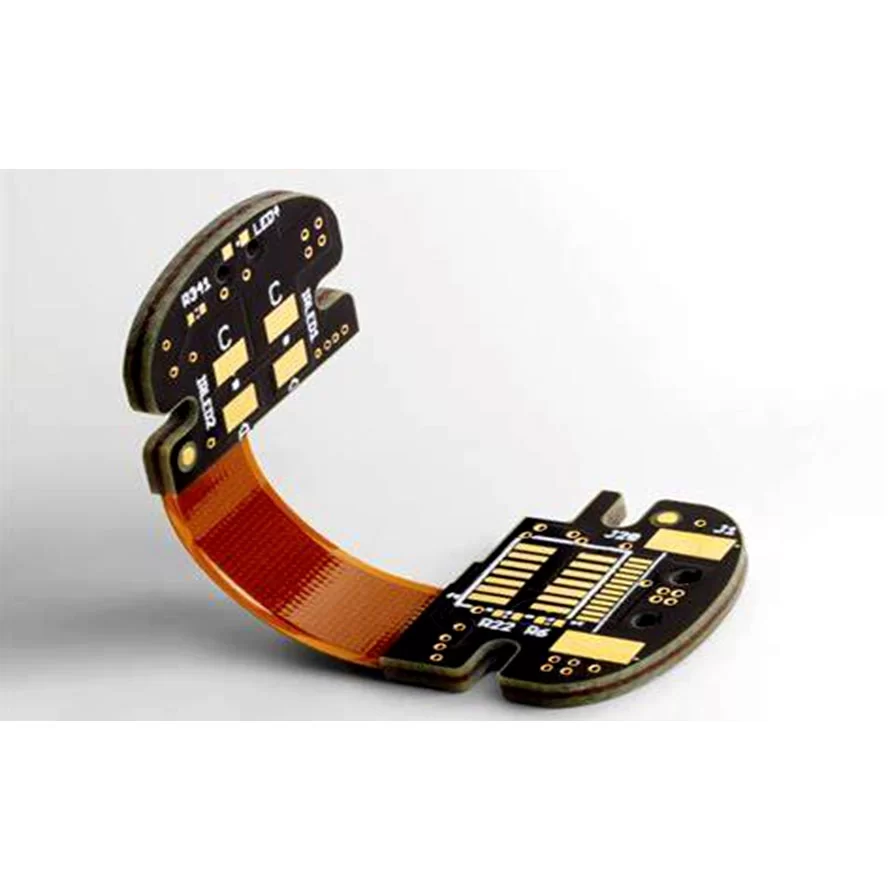
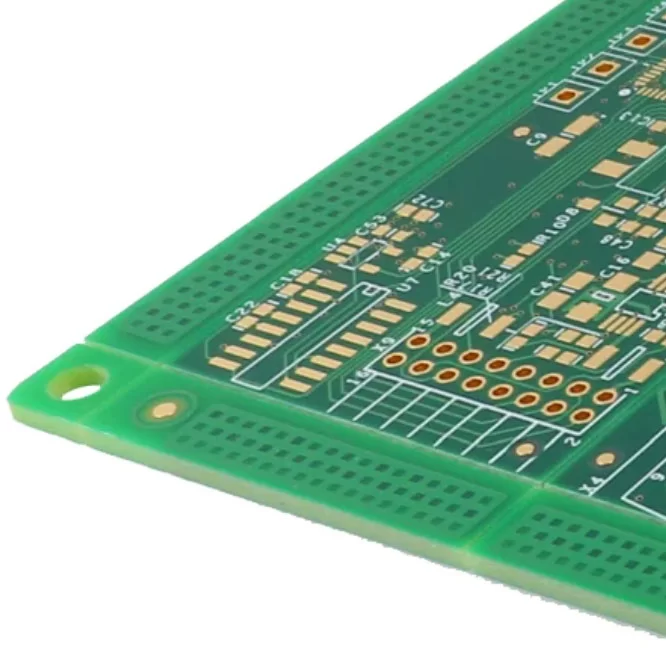
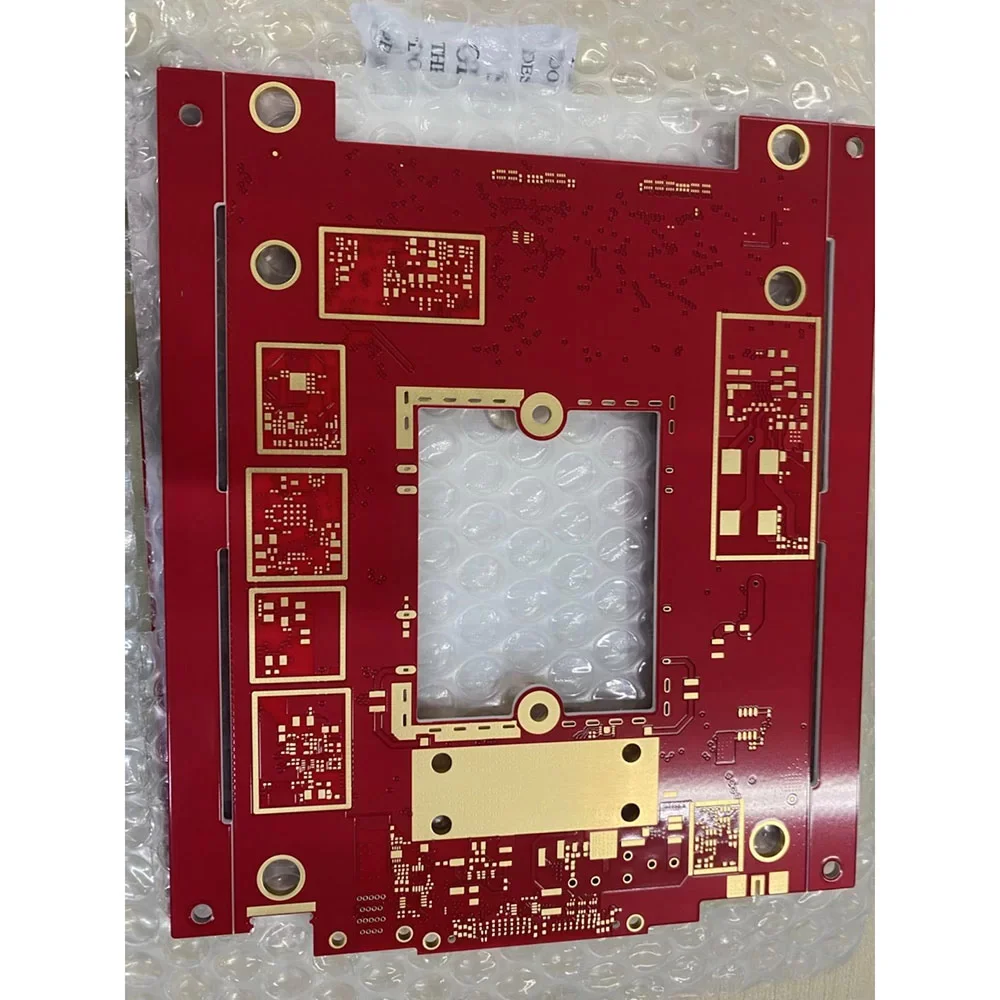
FR-4 PCB is one of the most widely used printed circuit board (PCB) types in modern electronics manufacturing. It is made from FR4 material, a flame-retardant fiberglass epoxy laminate that provides excellent insulation and mechanical stability.


The term “FR-4” stands for Flame Retardant Grade 4, indicating compliance with specific fire safety standards. A typical FR-4 printed circuit board consists of woven fiberglass cloth combined with epoxy resin and laminated with copper layers to form conductive circuits.


Due to its reliability and cost efficiency, FR-4 is the preferred choice for OEM manufacturers and global buyers seeking high-quality custom PCB fabrication solutions.

Features of FR-4 Printed Circuit Board

The FR-4 printed circuit board (FR-4 PCB) is the most widely used material in modern PCB fabrication, offering a strong balance between performance, cost, and manufacturability. Key features include:

Excellent Electrical Insulation

FR4 material provides stable dielectric properties, ensuring reliable signal transmission in most printed circuit board applications. This makes it suitable for consumer electronics and industrial control systems. 

High Mechanical Strength

The fiberglass-reinforced structure gives FR-4 PCB boards strong resistance to vibration, impact, and bending, improving durability during assembly and operation. 

Flame Retardant Performance

As a certified flame-retardant material, FR-4 enhances safety and meets international compliance standards, which is important for global OEM and ODM projects. 

Good Thermal Stability

FR-4 can withstand soldering temperatures and moderate heat during operation, reducing risks such as delamination and solder joint failure. 

Dimensional Stability

With low thermal expansion, custom FR-4 PCB designs maintain precise circuit alignment, especially in multi-layer PCB manufacturing. 

Wide Design Flexibility

Supports single-layer, double-layer, and multi-layer PCB designs, meeting diverse product requirements. 

Cost-Effective for Mass Production

Compared with high-end PCB materials, FR-4 offers competitive pricing, making it ideal for large-scale production. 

Easy Processing in PCB Manufacturing

Compatible with standard drilling, etching, and assembly processes, helping PCB manufacturers reduce production time and cost. 

Application of FR-4 PCBs

The FR-4 PCB is widely used across multiple industries due to its excellent balance of performance, durability, and cost. As a standard material in printed circuit board manufacturing, FR4 material supports a broad range of electronic applications. Key application areas include:

Consumer Electronics

FR-4 printed circuit boards are commonly used in smartphones, laptops, televisions, and home appliances due to their cost efficiency and stable performance.

Industrial Equipment

In automation systems, control panels, and robotics, FR-4 PCB boards provide reliable operation under mechanical stress and continuous usage.

Automotive Electronics

Used in engine control units (ECUs), infotainment systems, lighting modules, and sensors, FR-4 ensures durability in harsh environments such as vibration and temperature changes.

Communication & Networking Devices

Routers, switches, and signal processing equipment rely on FR-4 PCBs for stable data transmission in standard-frequency applications.

Medical Devices

Monitoring systems, diagnostic equipment, and portable medical devices use custom FR-4 PCB solutions for reliable and accurate performance.

Energy & Power Systems

Applied in inverters, converters, and renewable energy systems such as solar and wind power installations.

Security Systems

Widely used in surveillance cameras, alarm systems, and access control devices for signal processing and system control.

Manufacturing Process of FR-4 PCBs

The FR-4 PCB manufacturing process follows standardized steps to ensure high quality and consistency. A professional PCB manufacturer uses advanced equipment and strict quality control throughout PCB fabrication. Key steps include:

PCB Design & Engineering Review

The process begins with circuit design and Gerber file analysis to optimize manufacturability and cost for custom PCB projects. 

FR4 Material Preparation

Fiberglass epoxy laminate is prepared and laminated with copper foil, forming the base of the FR-4 printed circuit board. 

Drilling Process

Precision drilling machines create holes for vias and component mounting, ensuring accurate electrical connections. 

Circuit Pattern Etching

Chemical etching removes excess copper, leaving the required conductive traces based on the PCB design. 

Plating & Metallization

Holes and vias are plated with copper to ensure electrical conductivity and mechanical strength. 

Solder Mask & Silkscreen Application

Protective layers are added to prevent oxidation and short circuits, while markings help with assembly. 

Surface Finishing Options

Finishes such as HASL, ENIG, and OSP improve solderability and extend product lifespan. 

Testing & Quality Inspection

Each FR-4 PCB board undergoes strict testing (AOI, electrical testing) to ensure defect-free delivery.


FR-4 PCB FAQ

What is FR-4 PCB Board?

An FR-4 PCB board is a type of printed circuit board (PCB) made from FR4 material, which is a flame-retardant fiberglass epoxy laminate. It is widely used in PCB manufacturing due to its excellent electrical insulation, mechanical strength, and cost-effectiveness. FR-4 PCBs are suitable for a wide range of applications, from consumer electronics to industrial equipment.

What Are The FR4 PCB Material Properties?

FR4 material offers key properties such as high dielectric strength, low moisture absorption, good thermal stability, and strong mechanical durability. These characteristics make FR-4 printed circuit boards reliable for most standard electronic applications and compatible with various PCB fabrication processes.

What Is The Normal FR4 TG Value?

The typical glass transition temperature (Tg) of FR-4 PCB ranges from 130°C to 180°C. Standard FR4 materials usually have a Tg of around 130°C–140°C, while high-Tg FR4 materials can reach 170°C or higher, offering better thermal performance for demanding applications.

What Is The Typical FR4 PCB Thickness?

The standard thickness of an FR-4 PCB board is 1.6mm, which is widely used in most electronic products. However, custom PCB solutions can range from 0.2mm to 3.2mm or more, depending on design requirements and application needs.

What Type Of Solder Should Be Used When Assembling Components On An FR-4 PCB?

Both leaded and lead-free solders can be used for FR-4 PCB assembly, but lead-free solder is more commonly recommended to meet RoHS standards. A professional PCB manufacturer ensures compatibility with standard soldering processes such as wave soldering and reflow soldering.

What Is The Difference Between A Single-Sided And A Double-Sided FR4 PCB?

A single-sided FR-4 PCB has copper on one side only and is used for simple circuits. A double-sided PCB has copper layers on both sides, allowing more complex circuit designs and higher component density, making it suitable for more advanced PCB applications.

Are There Any Other Applications For FR-4 PCBs Besides Consumer Electronics?

Yes, FR-4 PCBs are widely used in industrial equipment, automotive systems, medical devices, communication systems, and energy applications. Their versatility makes them a preferred choice for global OEM and ODM PCB suppliers.

What Safety Precautions Should Be Taken When Handling FR4 PCBs?

When handling FR-4 PCB boards, it is recommended to avoid excessive bending, moisture exposure, and electrostatic discharge (ESD). Proper storage in dry conditions and using anti-static protection can help maintain the performance and lifespan of the PCB.

What Types Of Components Can Be Mounted On A FR-4 PCB?

A wide range of components can be mounted on FR-4 printed circuit boards, including resistors, capacitors, ICs, connectors, and surface-mount devices (SMD). FR-4 supports both through-hole and SMT technologies, making it ideal for various PCB assembly requirements.

What Are The Benefits Of Using An FR-4 PCB?

The main benefits of FR-4 PCB include cost efficiency, strong mechanical performance, good electrical insulation, and compatibility with standard PCB fabrication processes. These advantages make it a reliable solution for both prototyping and mass production.

What Is The Maximum Temperature An FR-4 PCB Can Handle?

The maximum operating temperature of a standard FR-4 PCB board typically ranges from 130°C to 140°C, depending on the Tg value. High-Tg FR4 materials can handle higher temperatures, making them suitable for more demanding environments.

What Are The Most Common Thicknesses Available For FR-4 PCBs?

Common thicknesses for FR-4 PCBs include 0.8mm, 1.0mm, 1.2mm, 1.6mm, and 2.0mm. A professional PCB supplier can also provide custom FR-4 PCB thickness options based on specific design and application requirements.

If you are interested in our products, you can choose to leave your information here, and we will be in touch with you shortly.