Cable Coiling
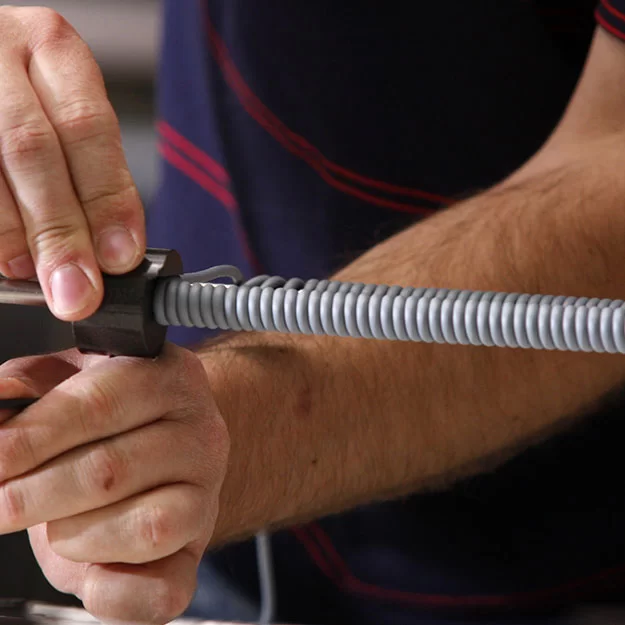
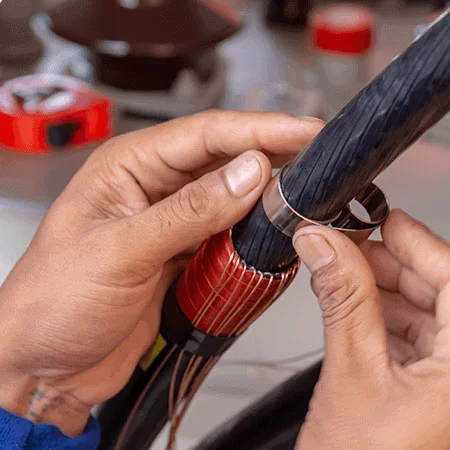
What is Cable Coiling?
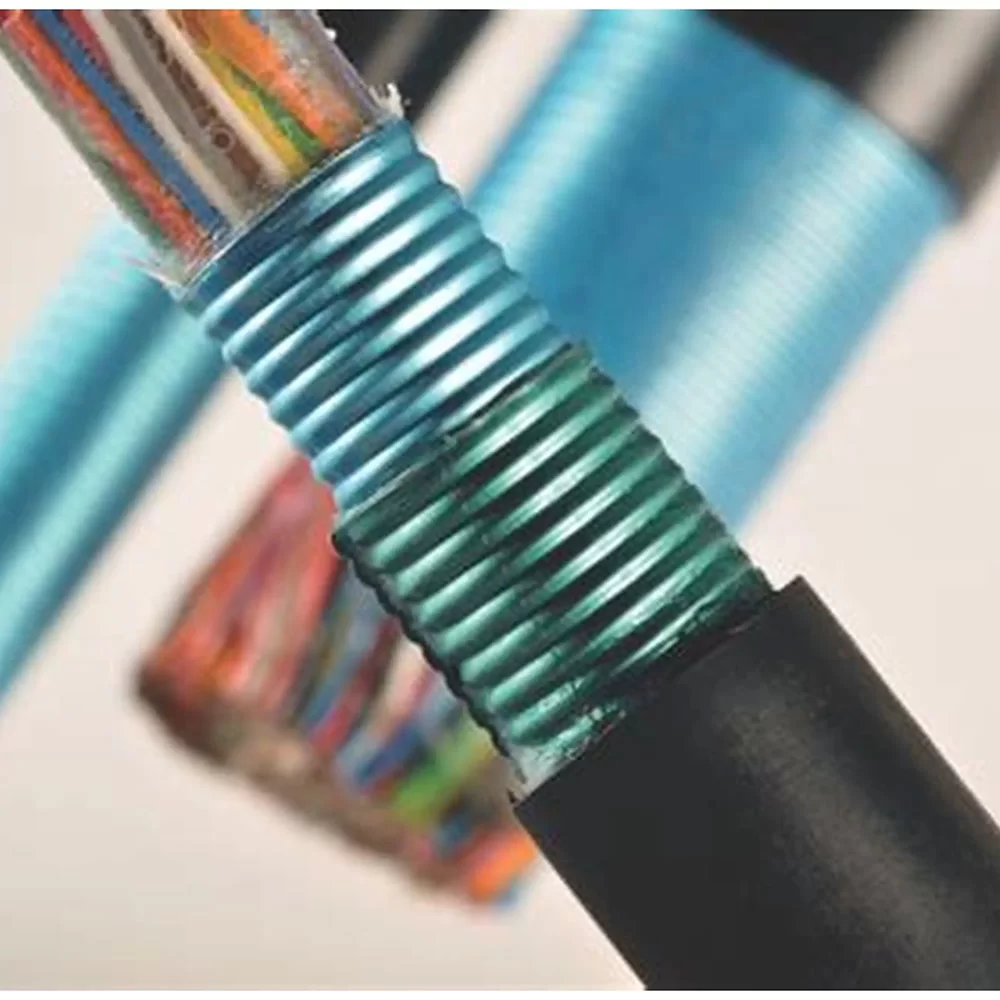
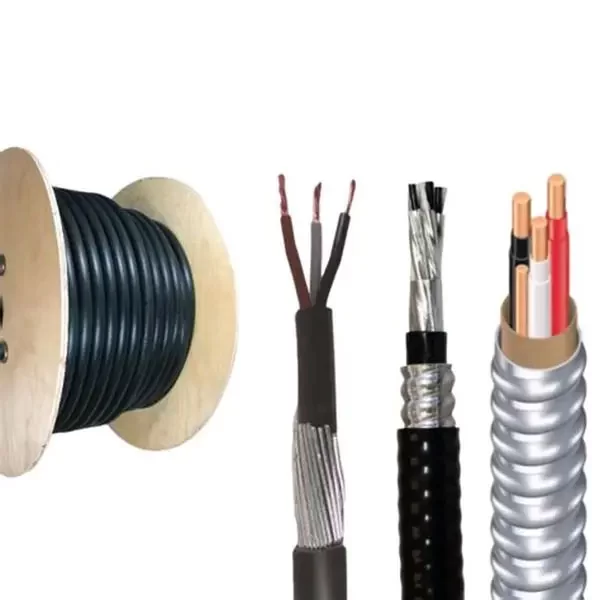
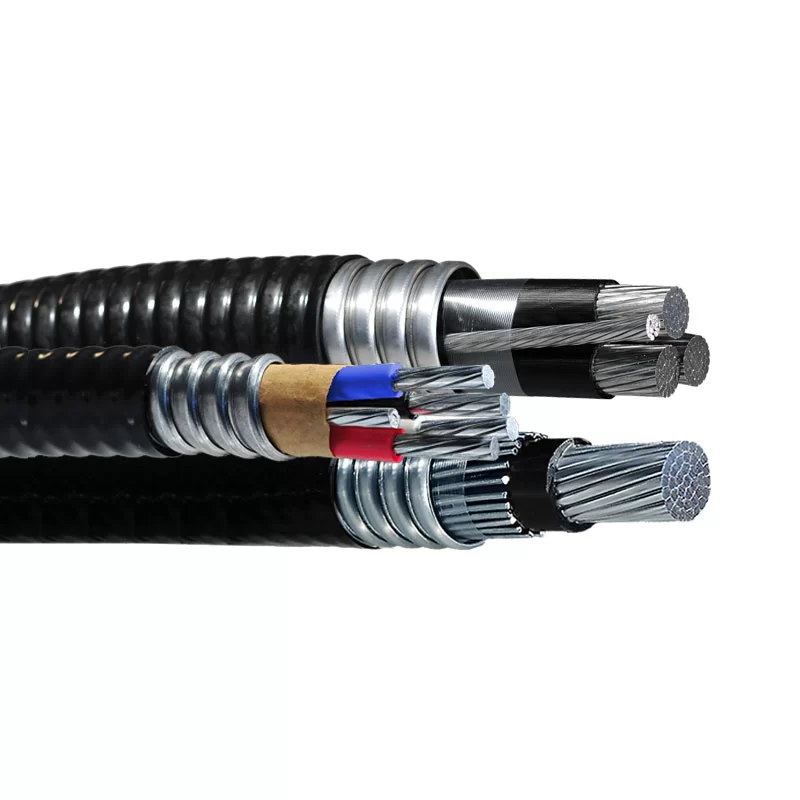
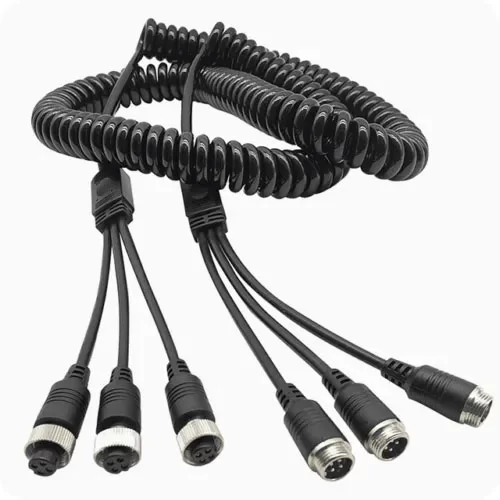
Cable coiling is the process of giving mechanical cables a spring-like shape for simple functionality. Coiled cables stretch beyond at-rest states while still retracting if needed.
Cable coiling keeps the inside components of a cable safe with several practical benefits.
Strands and Coiling
Based on customer preference, the number of strands engineered into a cable correlates to how strong it is. The thicker the cable and coil, the stronger and more durable the product will be during application. After cutting back on coil fatigue by incorporating more strands, products can hold heavier loads and more tension.
Similar to other mechanical cable coatings, the diameter of coil strands alters the physical characteristics of products. Engineering coiled cables with larger diameters strengthens the cable and makes it less prone to abrasion, damage and crushing.
If you have any camping barbeque equipment inquiry, please feel free to contact us.
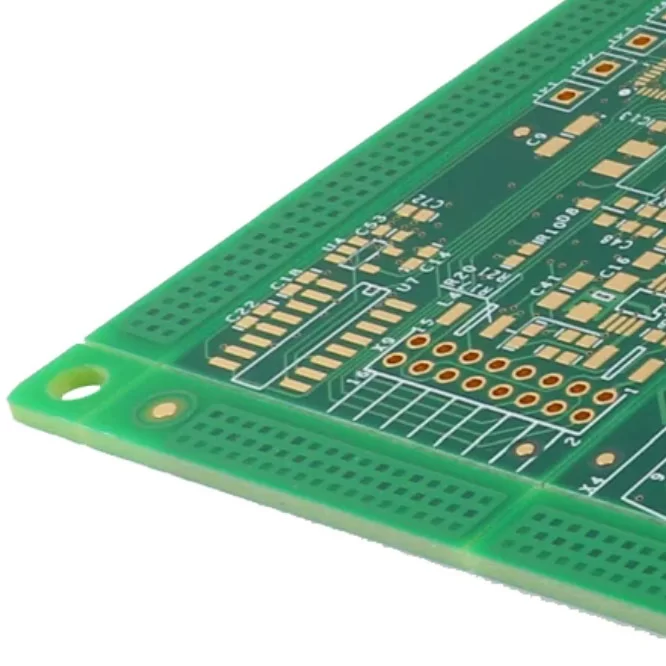
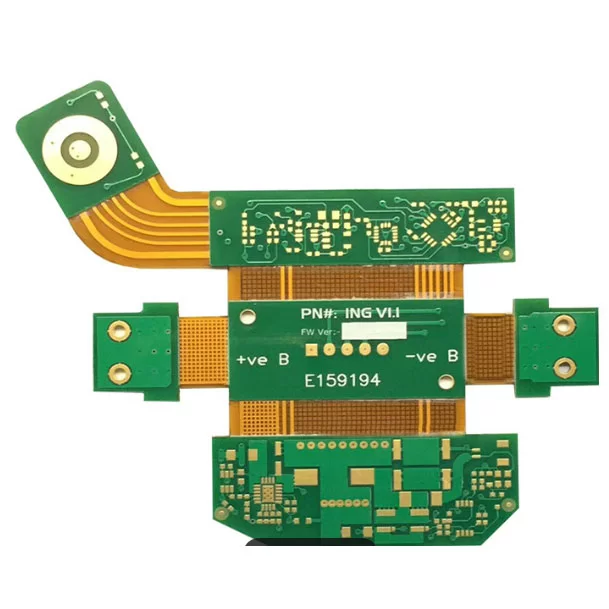
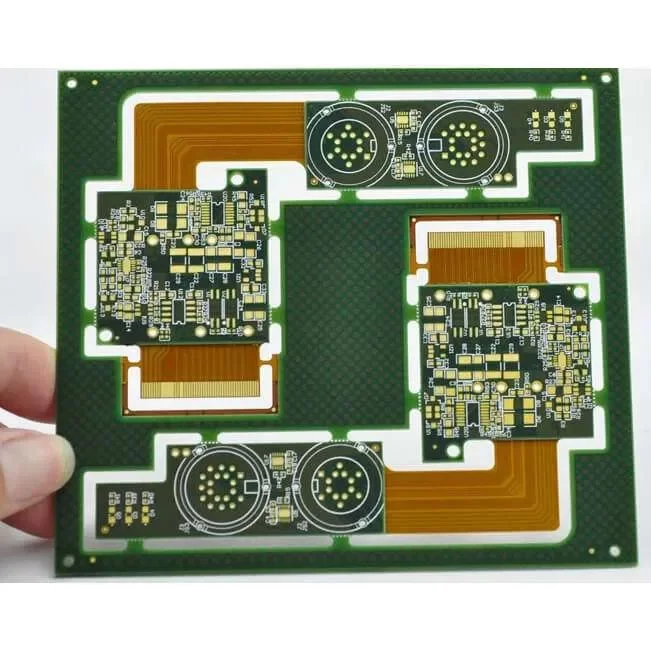
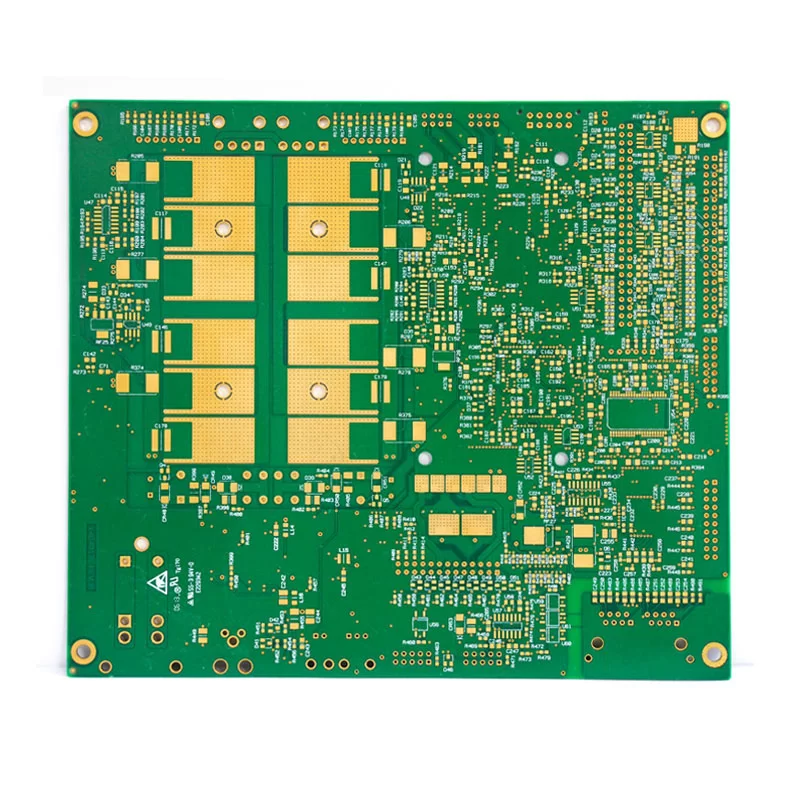
FR-4 stands out as one of the most versatile options. The composition of an FR-4 printed circuit board comprises a woven glass fabric reinforcement impregnated with a flame-retardant epoxy resin binder.
-20251124061922.webp "New Energy Vehicle Charging Pile PCBA")
PCB type: Rigid PCB
Layer: Multi-layer
Base material: FR-4
Solder mask: Green
Silk screen: White
Surface treatment: HASL
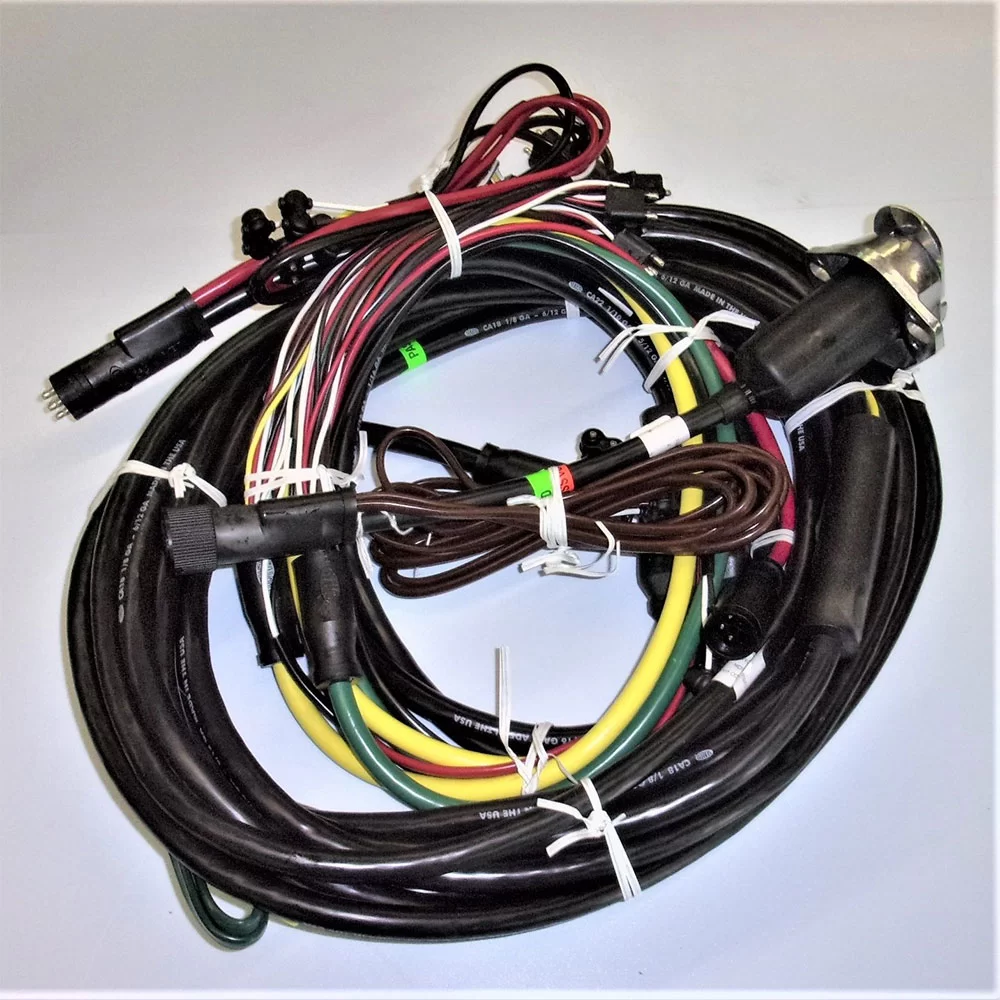
A truck wire harness is like the nervous system of a truck. It is a group of wires, connectors, and terminals that link all the electrical parts together.