Understanding Rigid PCB: A Comprehensive Guide
In the world of electronics, the Printed Circuit Board (PCB) is a fundamental component. Among the various types, Rigid PCBs stand out for their stability, cost-effectiveness, and widespread applications. This article will delve into the intricacies of Rigid PCBs, covering their characteristics, manufacturing processes, applications, advantages, and considerations for choosing the right one for your project. Whether you're a seasoned engineer or new to electronics manufacturing, this guide will provide valuable insights. Learn more about our PCB manufacturing services at Hub Circuits.
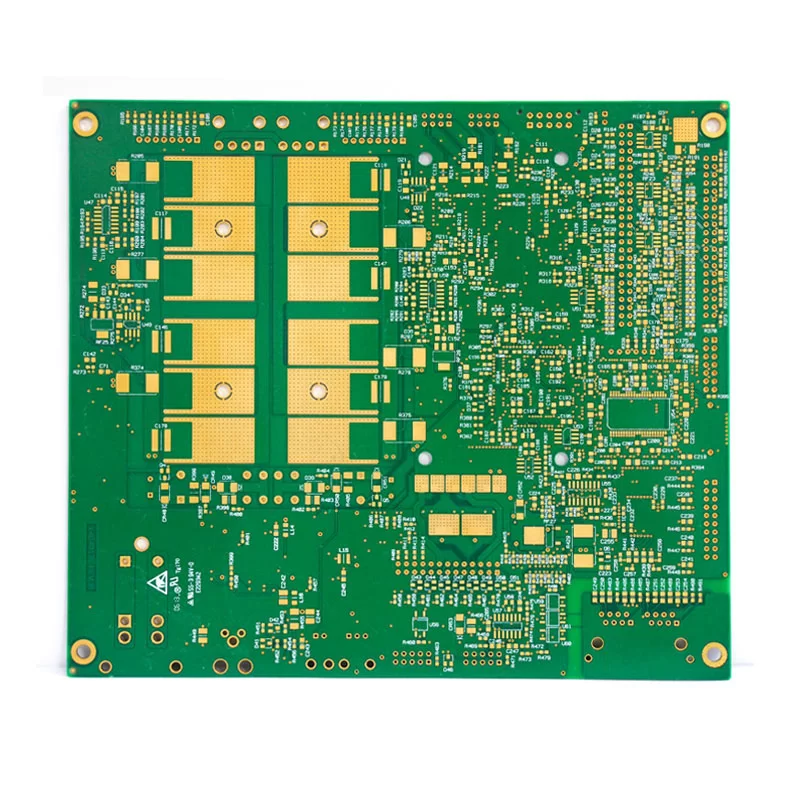
What is a Rigid PCB?
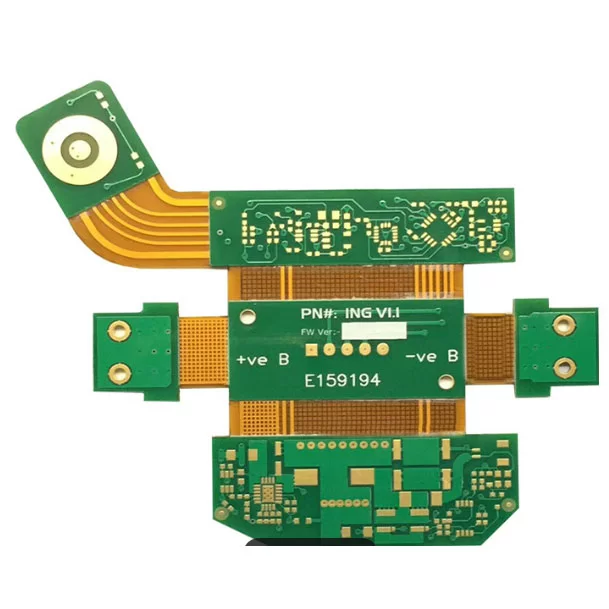
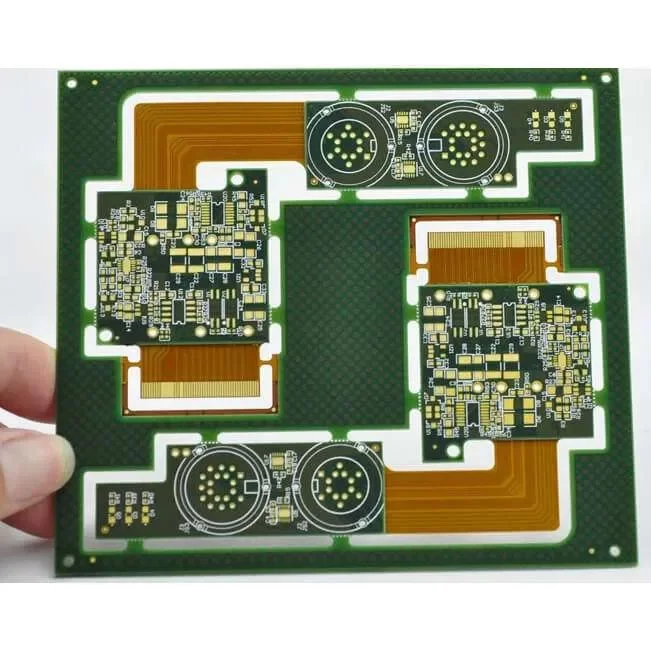
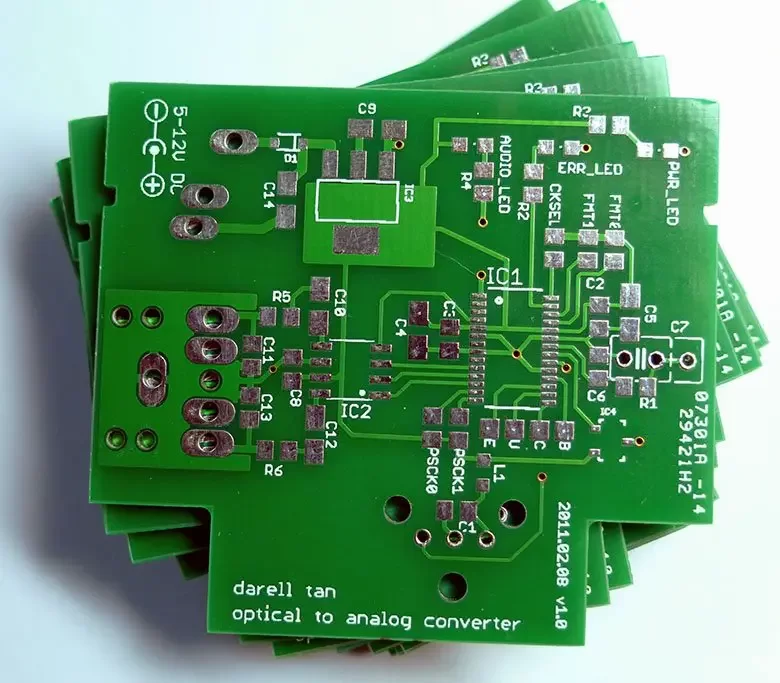
A Rigid PCB is a circuit board constructed from a solid, inflexible material, typically fiberglass or composite epoxy. Unlike flexible PCBs, these boards cannot be bent or twisted. They provide a stable and reliable foundation for electronic components, making them ideal for a wide range of applications. The layers within a rigid PCB are laminated together with resin, providing structural integrity. They’re the workhorse of the electronics industry, found in everything from computers to consumer electronics.
Key Features: Stable construction, cost-effective, widely available materials, suitable for high-density component placement.
Manufacturing Processes for Rigid PCBs
The manufacturing of Rigid PCBs is a multi-step process that demands precision and expertise. It typically involves these key stages: design and layout, film production, copper clad laminate preparation, etching, drilling, plating, solder mask application, silkscreen printing, and final testing. Advanced techniques like automated optical inspection (AOI) are employed to ensure quality control throughout the manufacturing process. Hub Circuits utilizes cutting-edge technology to deliver high-quality rigid PCBs tailored to your specific requirements.
Manufacturing Stages:
• Design and Layout
• Copper Clad Laminate Preparation
• Etching and Drilling
• Plating and Solder Mask
Applications of Rigid PCBs
Rigid PCBs are ubiquitous in modern electronics. You’ll find them in a vast array of devices, including computers, smartphones, industrial machinery, automotive electronics, medical equipment, and consumer electronics like televisions and washing machines. Their robust nature and cost-effectiveness make them an ideal choice for applications where flexibility isn't required. They’re particularly well-suited for applications requiring high component density and reliable performance.
Advantages of Using Rigid PCBs
Rigid PCBs offer several key advantages: cost-effectiveness, robust mechanical strength, excellent electrical performance, and ease of manufacturing. They are relatively simple to design and fabricate, leading to shorter lead times and lower production costs compared to more complex PCB types. Their stability makes them suitable for high-power applications and provides a reliable platform for sensitive electronic components.
Choosing the Right Rigid PCB: Key Considerations
Selecting the appropriate Rigid PCB for your project involves several considerations. These include the number of layers required, the material composition (FR-4 is a common choice), the desired thickness, and the expected operating temperature. It's crucial to define your specific requirements and consult with an experienced PCB manufacturer like Hub Circuits to ensure you receive a board that meets your needs. Factors like trace width, spacing, and via size also impact performance and should be carefully considered during the design phase.
Conclusion: Partner with Hub Circuits for Superior Rigid PCBs
At Hub Circuits, we specialize in the manufacturing of high-quality Rigid PCBs. We offer comprehensive solutions tailored to your specific needs, from prototyping to large-scale production. Our commitment to quality, competitive pricing, and fast turnaround times makes us a trusted partner for businesses across a wide range of industries. Contact us today to discuss your project and receive a quote.
Frequently Asked Questions (FAQs)
What materials are commonly used for Rigid PCBs?
The most common material for Rigid PCBs is FR-4 (Flame Retardant 4). It provides a good balance of cost, performance, and reliability. Other materials include CEM-1, which is a lower-cost alternative, and specialized materials like Rogers, used for high-frequency applications. The choice of material depends on the specific requirements of your project, including operating temperature, frequency, and dielectric properties. We can advise you on the best material for your needs.
What is the typical lead time for manufacturing a Rigid PCB?
The lead time for manufacturing a Rigid PCB varies depending on the complexity of the board, the quantity ordered, and our current production schedule. Generally, prototype boards can be delivered within 5-7 business days, while mass production typically takes 2-4 weeks. We strive to provide fast and reliable turnaround times without compromising quality.
Can Hub Circuits handle complex Rigid PCB designs?
Yes, Hub Circuits has the expertise and equipment to handle complex Rigid PCB designs, including multi-layer boards, high-density interconnects (HDIs), and boards with fine-pitch components. Our experienced engineers can provide design for manufacturability (DFM) feedback to optimize your design for efficient production.
What quality control measures does Hub Circuits employ?
We implement rigorous quality control measures throughout the entire manufacturing process. This includes automated optical inspection (AOI), electrical testing, and visual inspection. We adhere to industry standards and strive for zero defects. Our commitment to quality ensures that you receive a reliable and high-performing Rigid PCB.
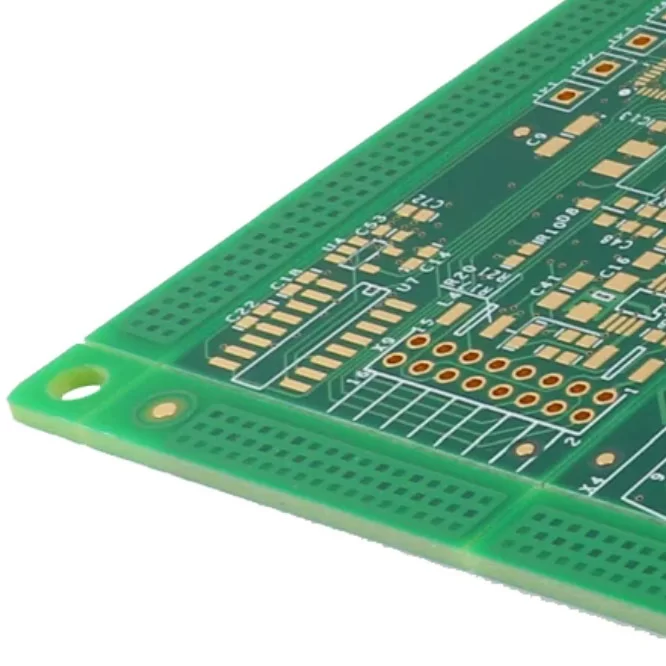
-20251124061922.webp "New Energy Vehicle Charging Pile PCBA")