Custom Cable Assembly
What is a Cable Assembly?
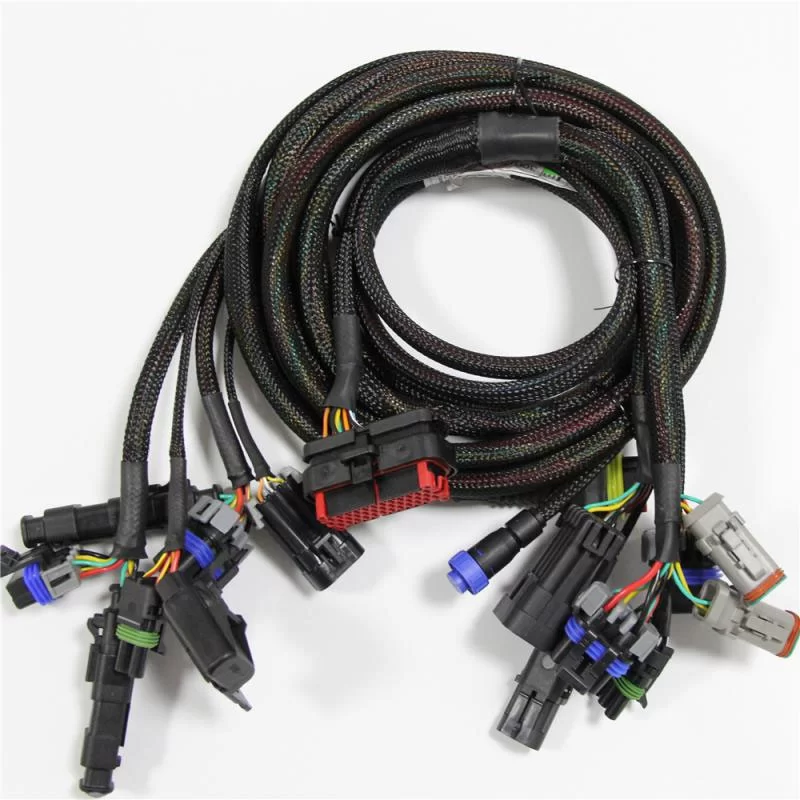
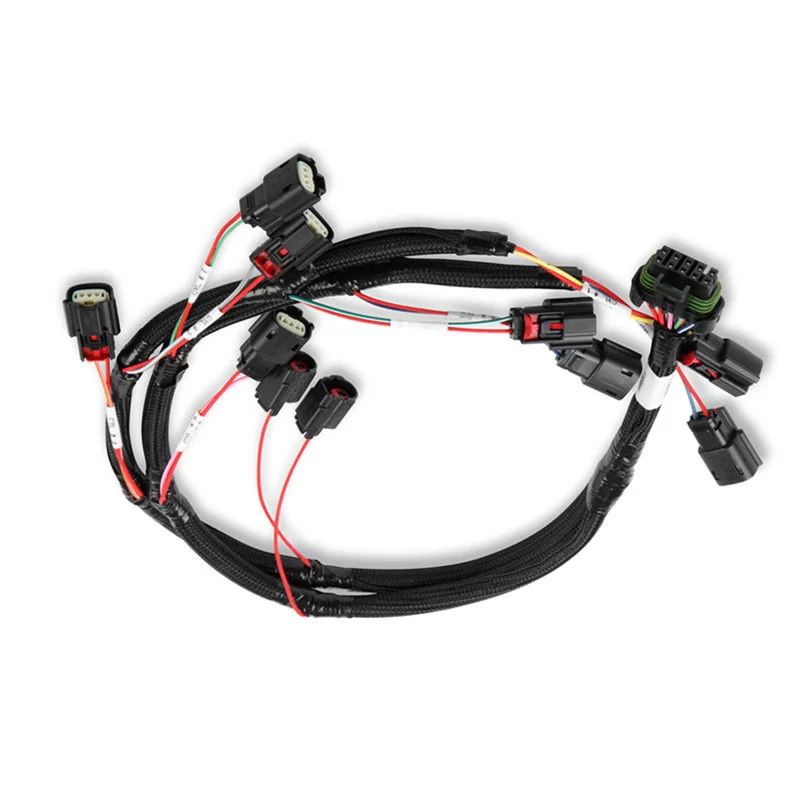
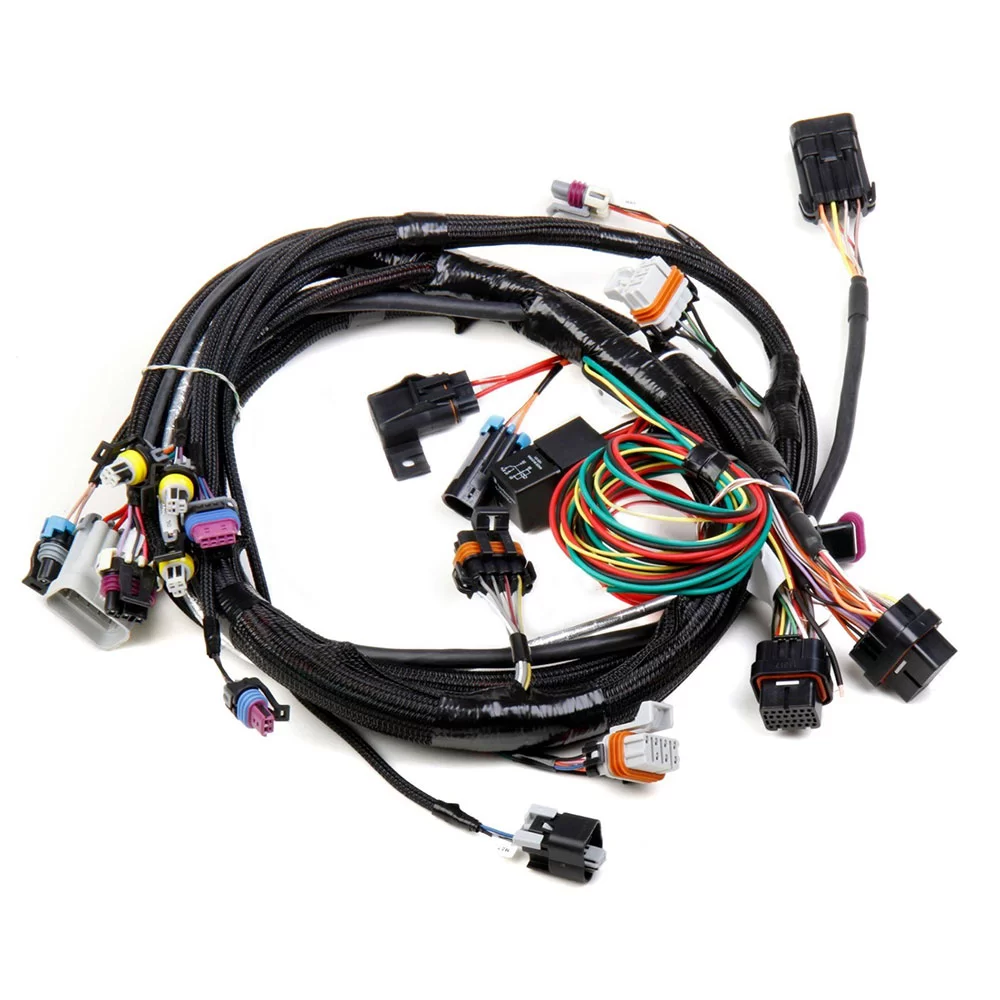
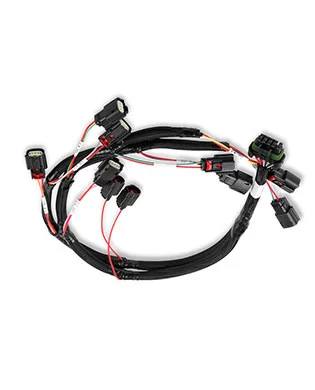
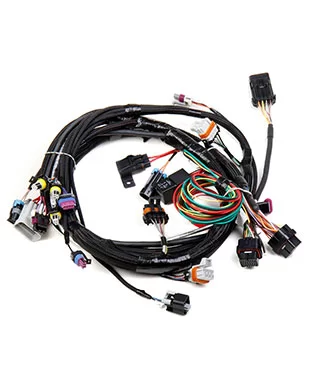
In general, cable assemblies are a group of cables or wires arranged into a single unit using a tube of material made from vinyl, rubber, or pressure-extruded thermoplastics. These are cable harnesses or wire looms that organize and protect electrical conductors.
The electronics and electrical engineering sectors are the most common industries that use cable assemblies. Apart from protecting from exposure to various elements, these are also utilized to transmit power and signals to their designated point.
Applications of a Cable Assembly
Cable assemblies can be equipped with plugs or sockets and are typically found in demanding industries, such as Aerospace, Automotive, Oil and Gas, Electronics, and Agriculture. Therefore, there’s no question that these are used for different applications.
Navigation systems
- In-flight entertainment systems
- Ruggedized computers
- Flat panel displays
Types of Cable Assemblies for Industrial Use
With the varying industrial applications today, industrial cable assemblies are grouped into different types for easy identification. These include:
Multicore assembly: Multicore cables are a combination of multiple signals and power feeds into a single cable. These are commonly found in military vehicles and aircraft control systems.
- Audio/visual (AV) cable assemblies: AV cable assemblies connect and transmit high-definition audio and visual equipment to a display, such as a computer or TV. Some examples include VGA/DVI, HDMI, and Coaxial.
- Computer cable assemblies: As the name suggests, these cable assemblies connect different computer components, such as hard drives and other computer instrumentations.
- General communication and networking cable assemblies: These are communication cables used to send information signals between networking systems, industrial data communication, and other monitoring systems.
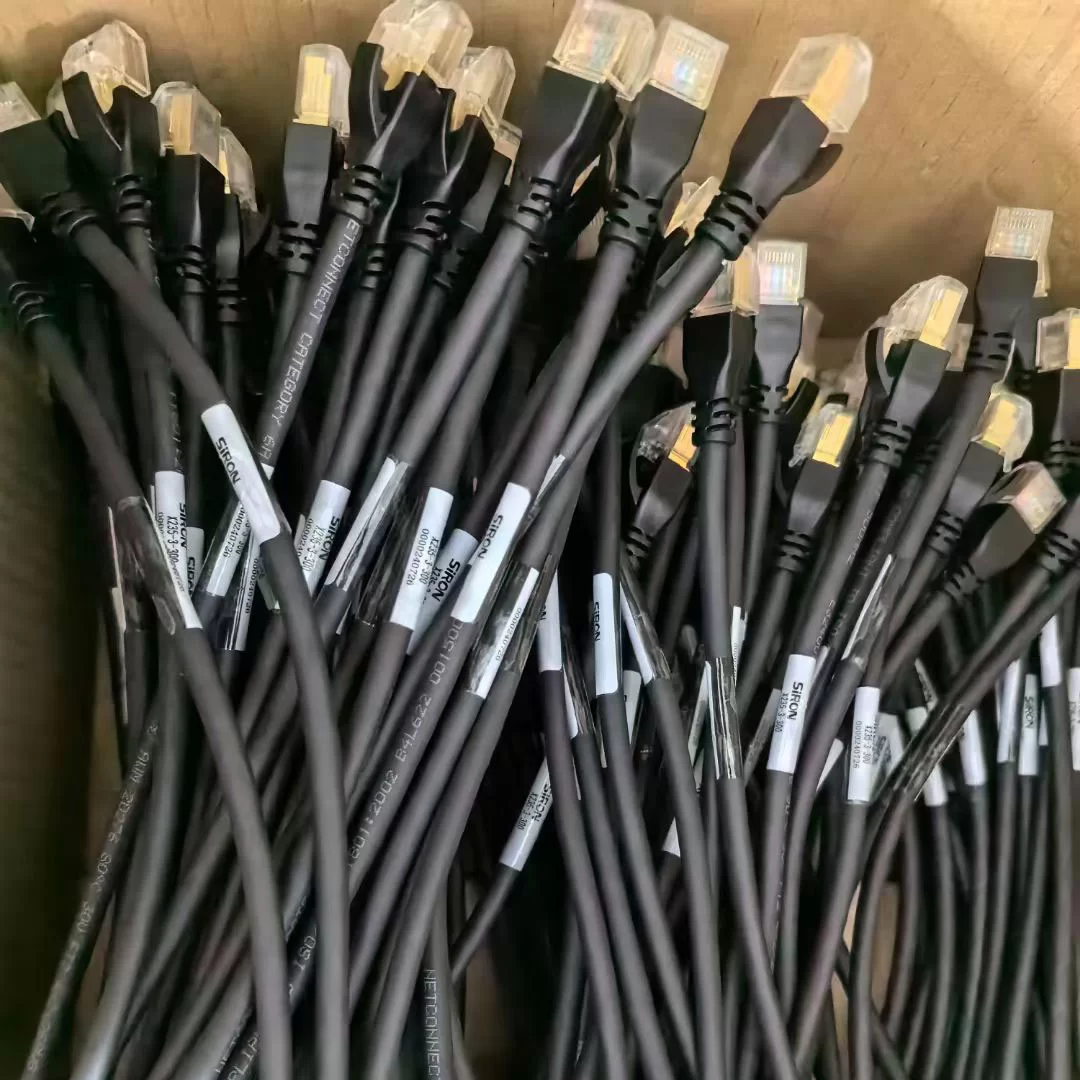
- Patch cord or cable assemblies: Patch cords have two ends that connect a device to a power source. It also links two or more devices into a network, such as Ethernet patch cables.
- Telecommunication cable assemblies: With tight requirements and specifications, telecommunication cables are engineered to facilitate the transmission of data, voice, and video signals. These protect against EMI and RFI signals while ensuring signals aren’t lost.
If you have any camping barbeque equipment inquiry, please feel free to contact us.
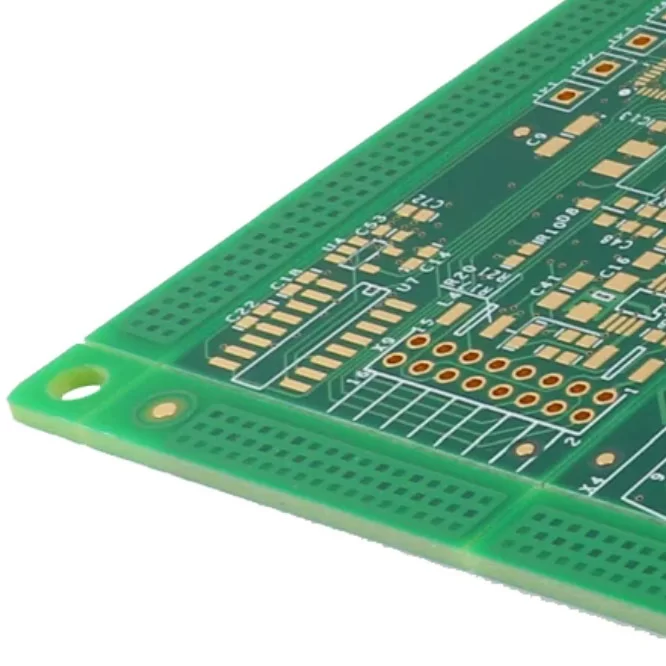
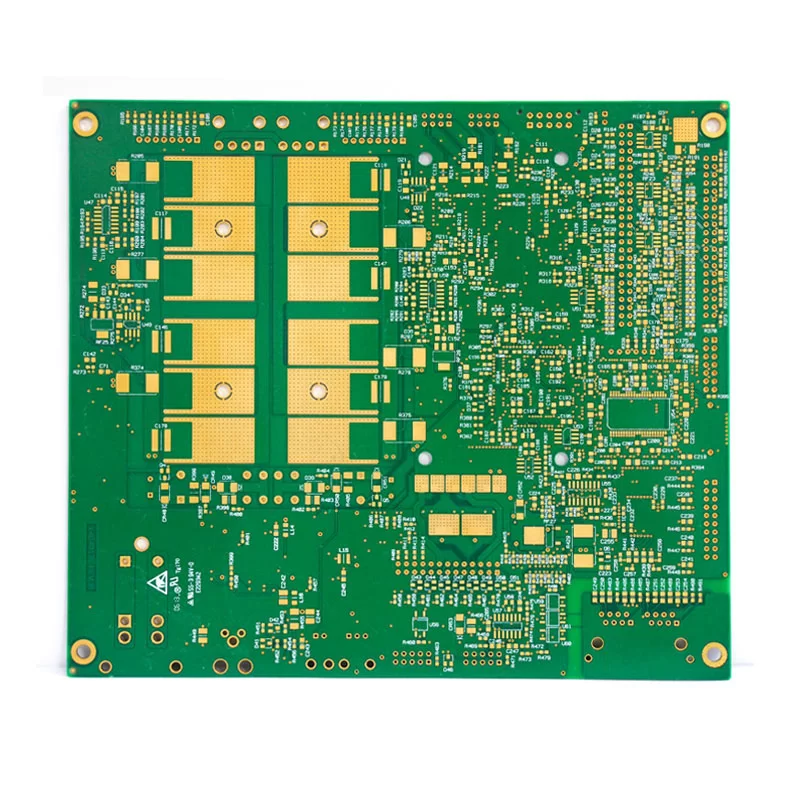
FR-4 stands out as one of the most versatile options. The composition of an FR-4 printed circuit board comprises a woven glass fabric reinforcement impregnated with a flame-retardant epoxy resin binder.
-20251124061922.webp "New Energy Vehicle Charging Pile PCBA")
PCB type: Rigid PCB
Layer: Multi-layer
Base material: FR-4
Solder mask: Green
Silk screen: White
Surface treatment: HASL
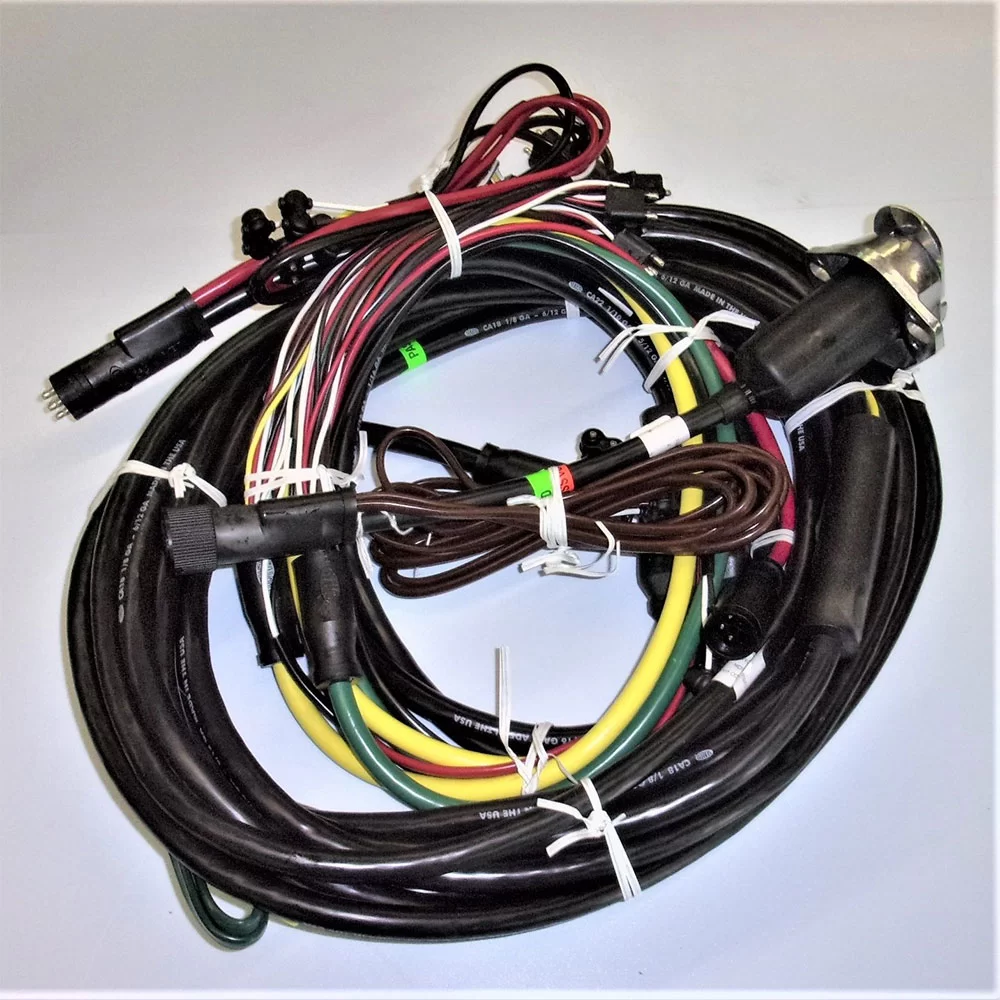
A truck wire harness is like the nervous system of a truck. It is a group of wires, connectors, and terminals that link all the electrical parts together.