


- SMT and Through-Hole Technology
- Mixed Technology Assembly
- Automated Optical Inspection
- X-Ray Inspection for BGA Functional & In-Circuit Testing Conformal Coating

- BOM Analysis & Optimization Supplier
- Qualification Component Shortage Solutions
- Counterfeit Prevention
- Long-Term Supply Agreements Inventory Management

- Multilayer PCBs (up to 24 layers)
- Flex & Rigid-Flex Circuits
- HDI Technology
- Quick-Turn Prototyping
- High-Volume Production
- Quality Control & Testing

- Mechanical Assembly
- Cable & Wire Harness
- Enclosure Fabrication
- Final System Integration
- Product Validation
- Packaging & Logistics

- 3D Printing Services
- CNC Machining Prototypes
- Functional Testing
- Low-Volume Production
- Design Verification

- Design Services
- PCB Design & Layout
- Electronic Circuit Design
- Mechanical Design
- Firmware Programming
- Product Reverse Engineering
- DFM/DFA Analysis
- 7/24 sales and technical supports
- No minimum order requirement
- 2 hours quick response
- Flexible payment options
- 10 years overseas export experience
- Competitive pricing


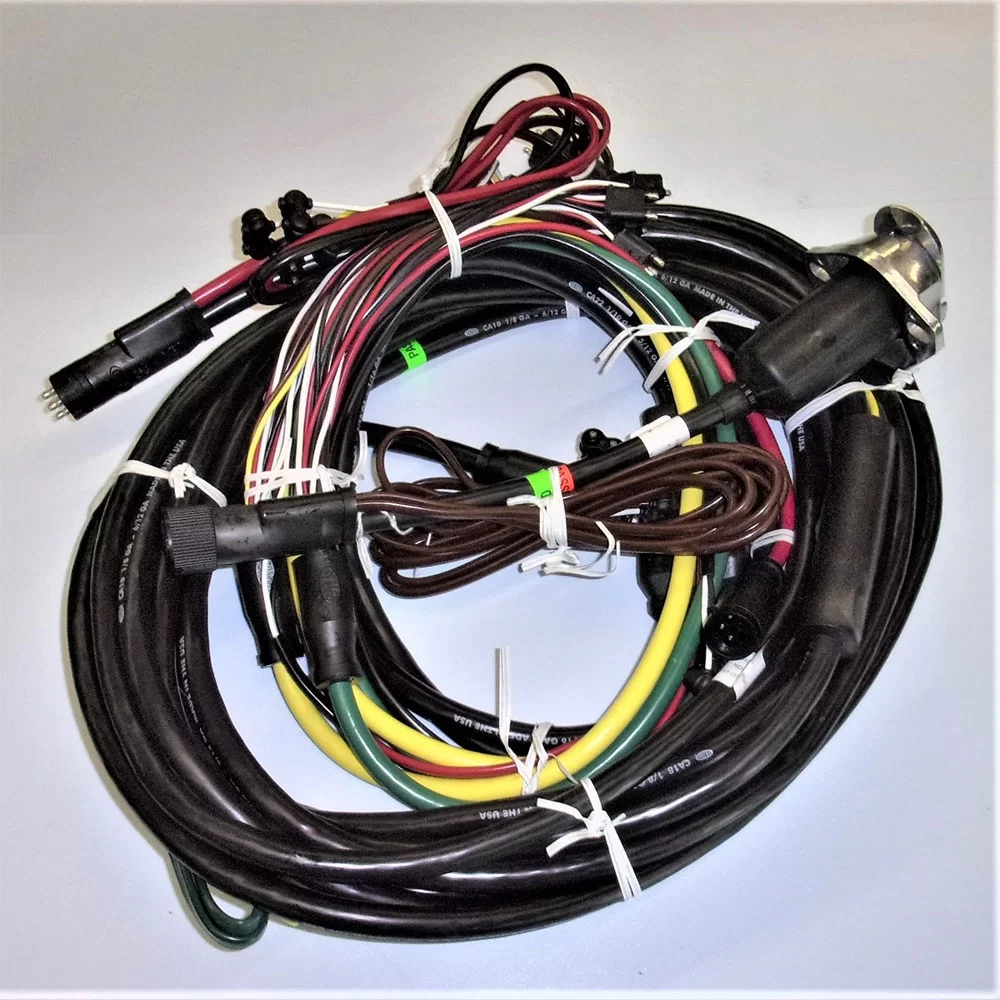
A truck wire harness is like the nervous system of a truck. It is a group of wires, connectors, and terminals that link all the electrical parts together.
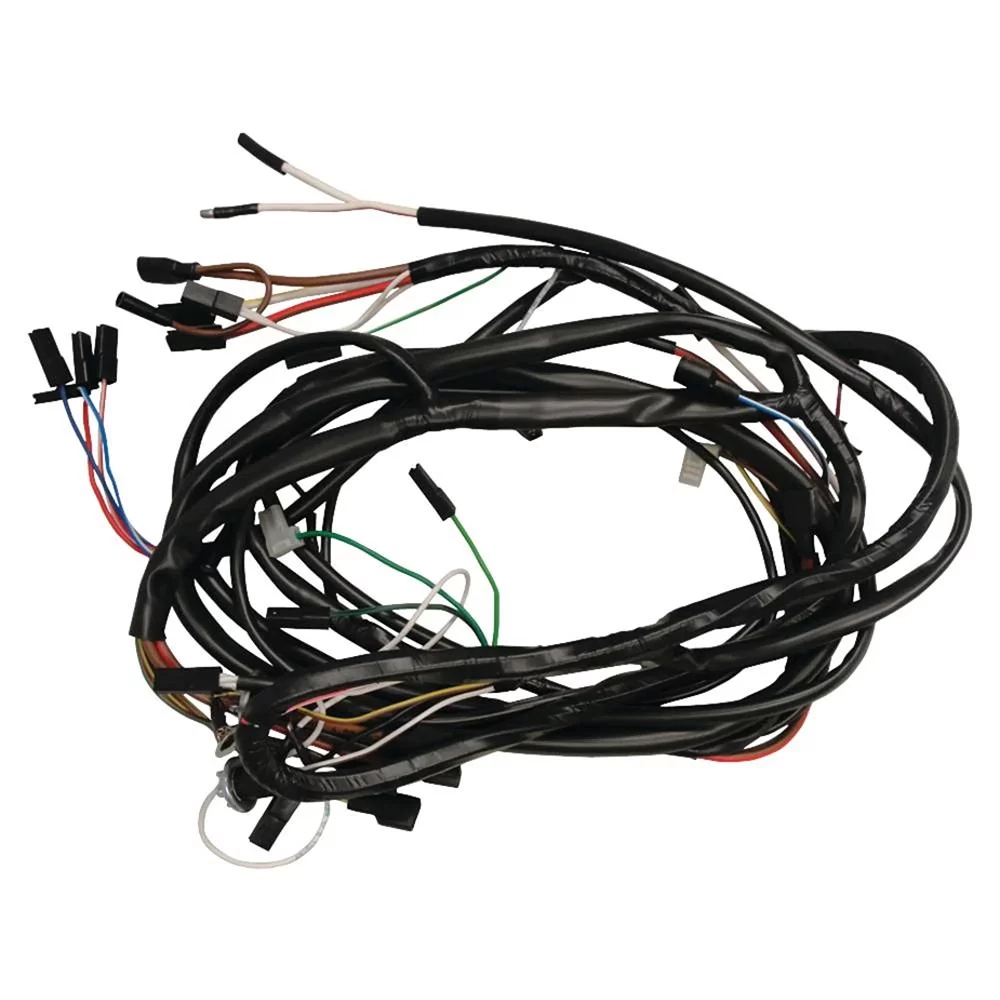
Tractor wire harnesses transfer the signals and the power for the whole system. It is the most essential part of a vehicle system.
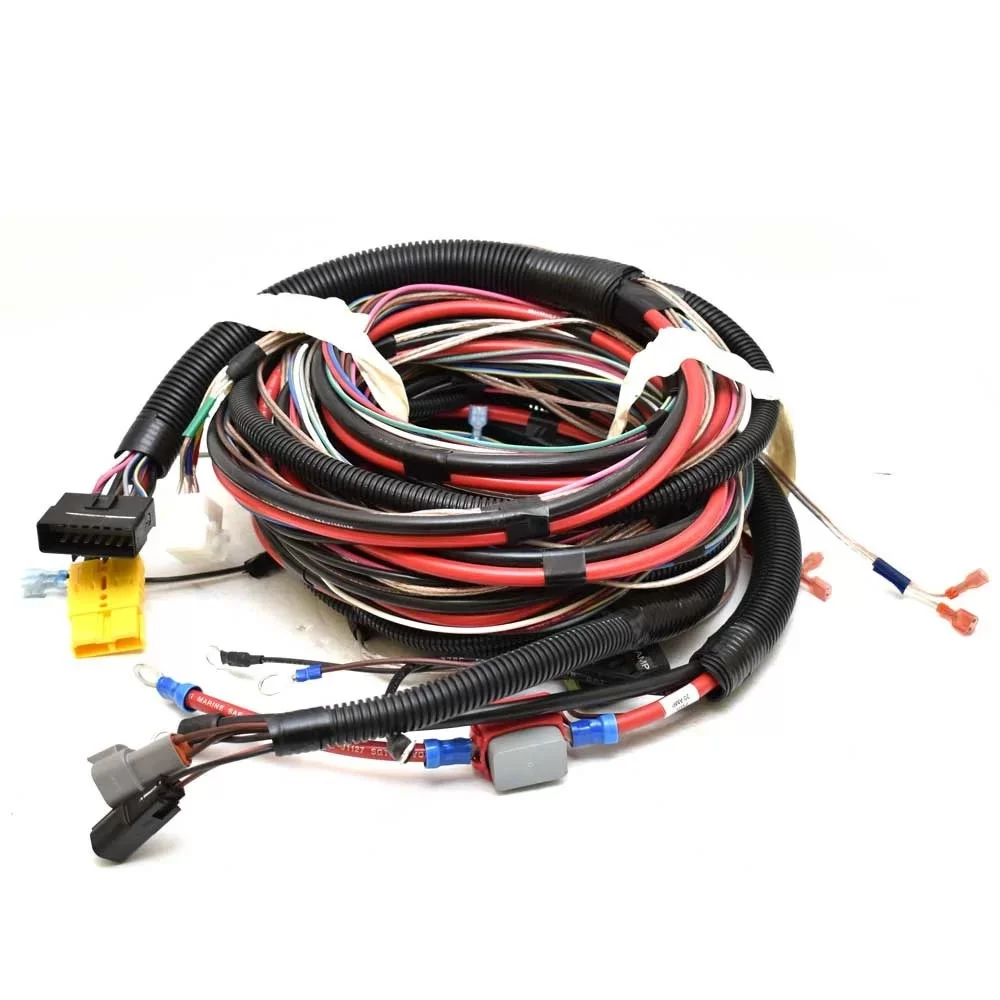
Marine wire harnesses are made to handle saltwater, vibration, and intense temperature changes around boats.
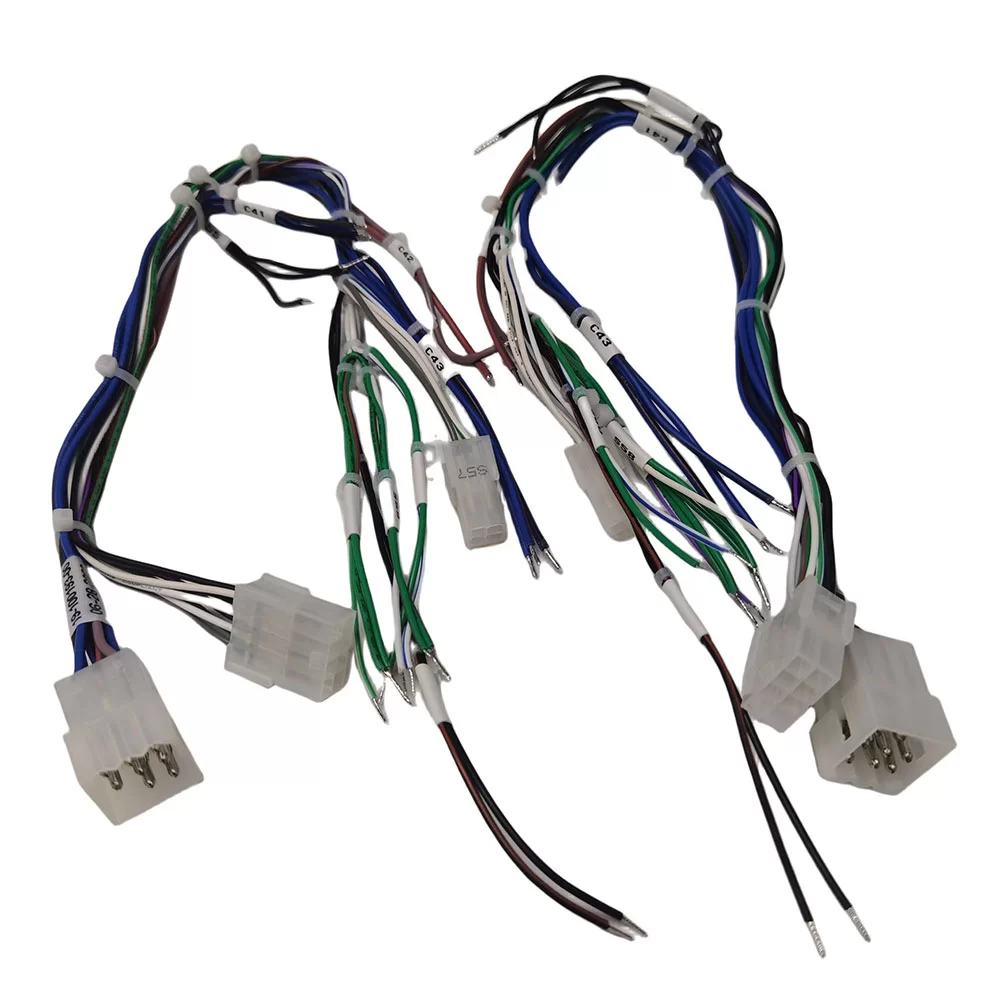
There are 11 types of automobile wiring harnesses: Engine 2nd wiring harness, Engine room wiring harness, Main wiring harness, Left front door wiring harness, Body wiring harness, Left rear door wiring harness, Taillight wiring harness, Interior light wiring harness, Right rear door wiring harness, Right front door wiring harness, and E.F.I. wiring harness.
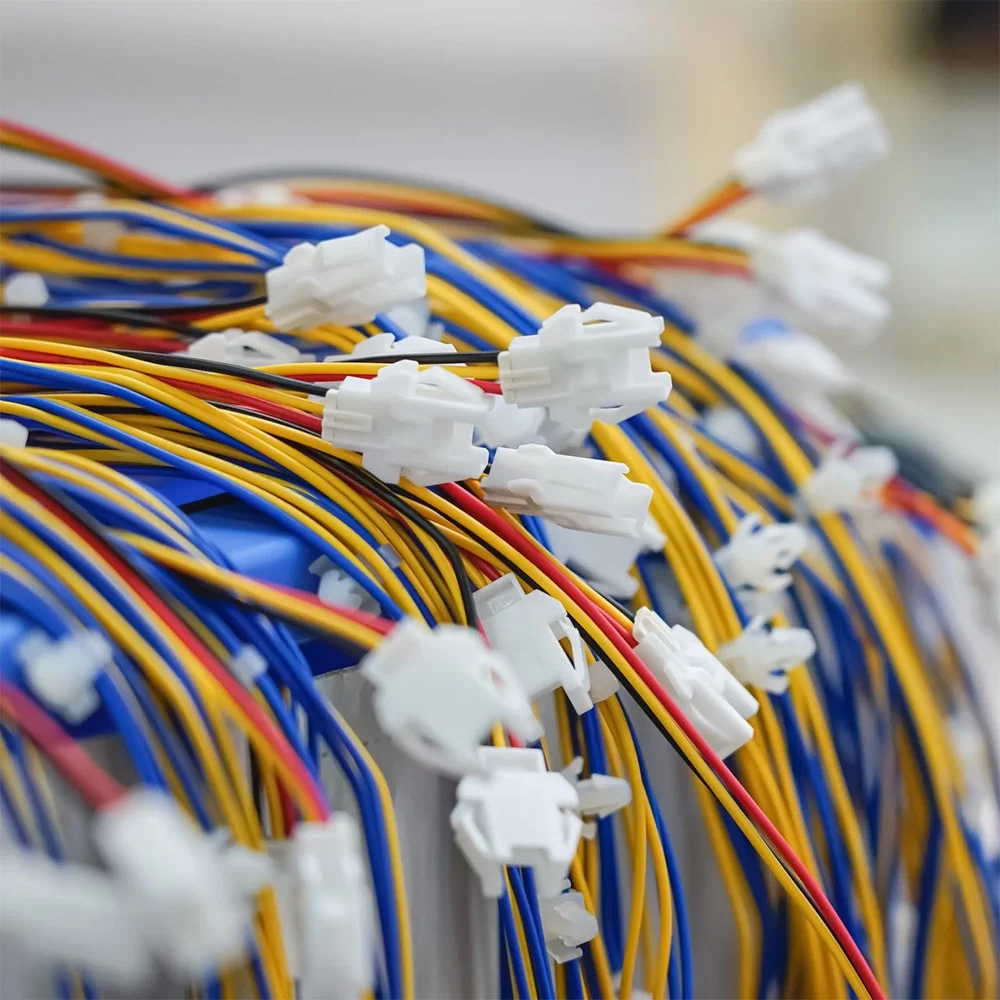
A custom wire harness is an engineered assembly of wires, cables, and connectors designed to efficiently transmit power, data, or signals within a complex electrical system.
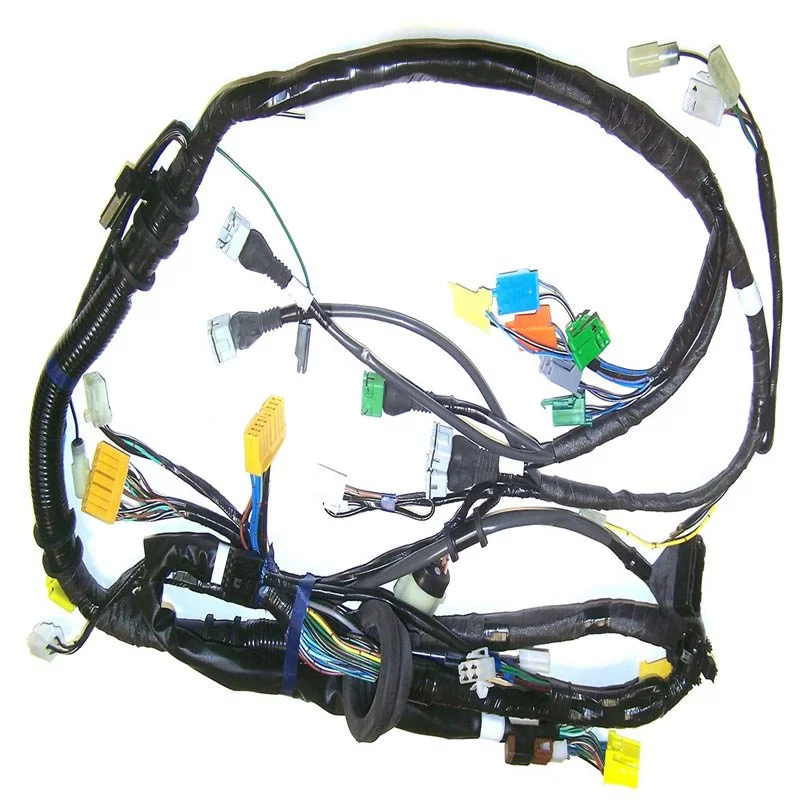
OEM cables play a crucial role in connectivity solutions across various industries.
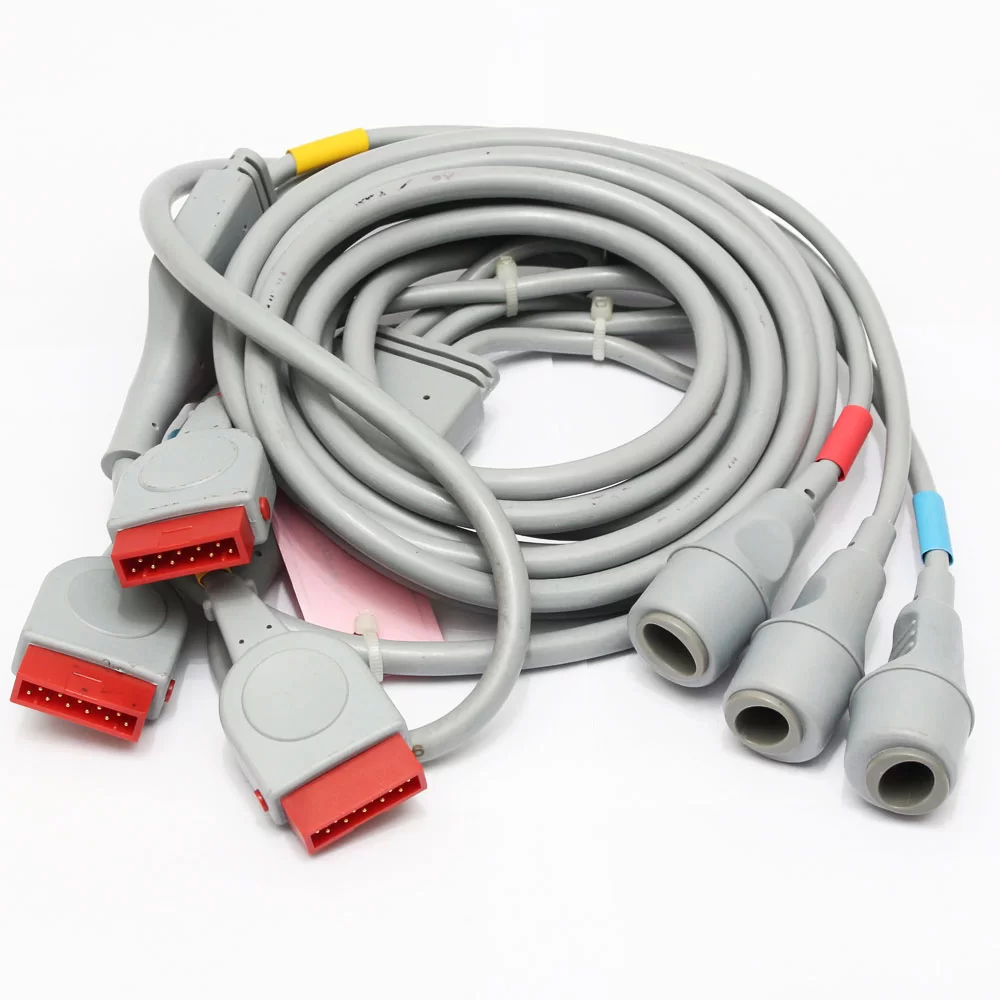
Many types of medical equipment, diagnostic tools, and devices incorporate electronics and computerized capabilities.
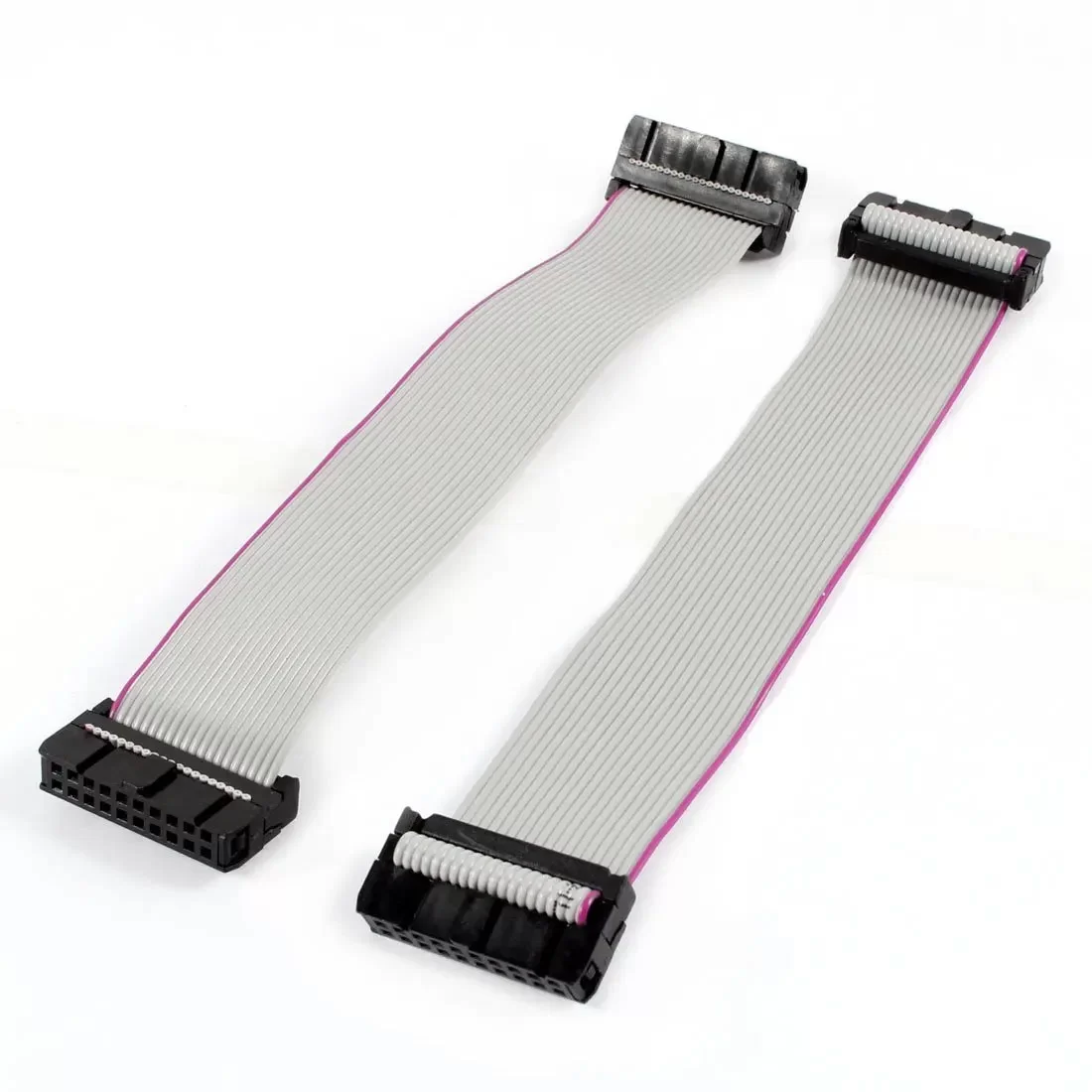
Ribbon cable is a cable designed in a flat and rectangular shape and gets its name from its resemblance to a piece of ribbon. Ribbon cable assemblies terminate into an industry-standard insulation displacement contact (IDC) socket.
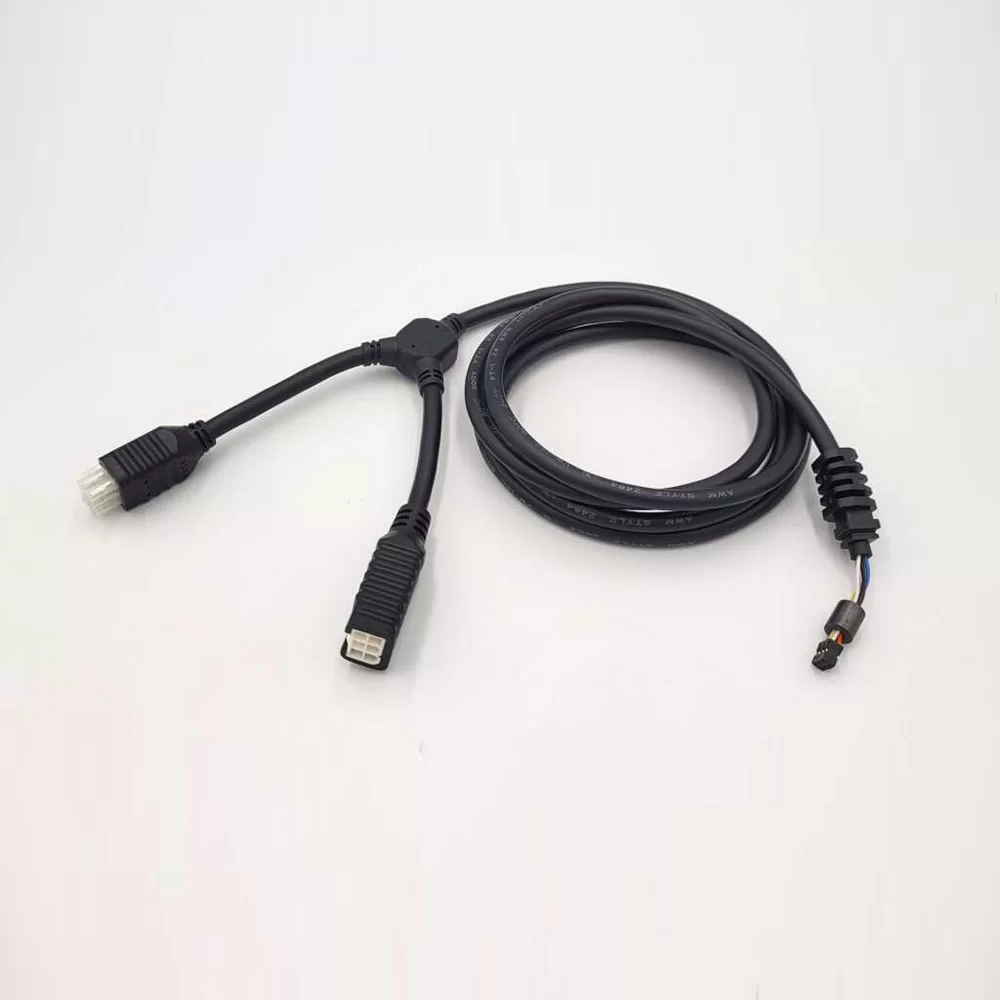
Custom overmolded cable assemblies are complete assemblies that seamlessly combine the various parts of the cable and connector to meet customer needs.
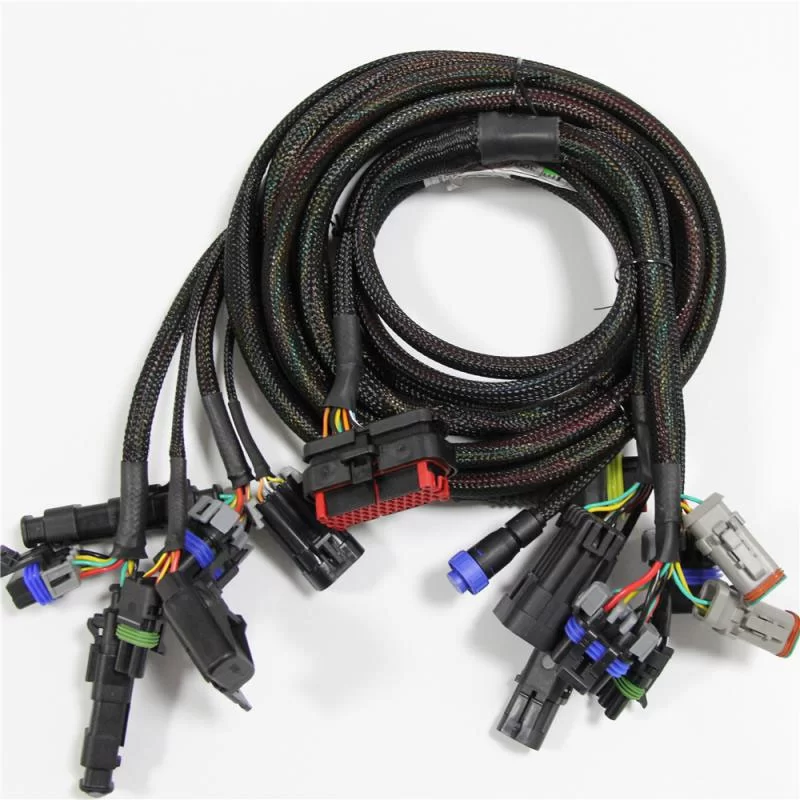
In general, cable assemblies are a group of cables or wires arranged into a single unit using a tube of material made from vinyl, rubber, or pressure-extruded thermoplastics.
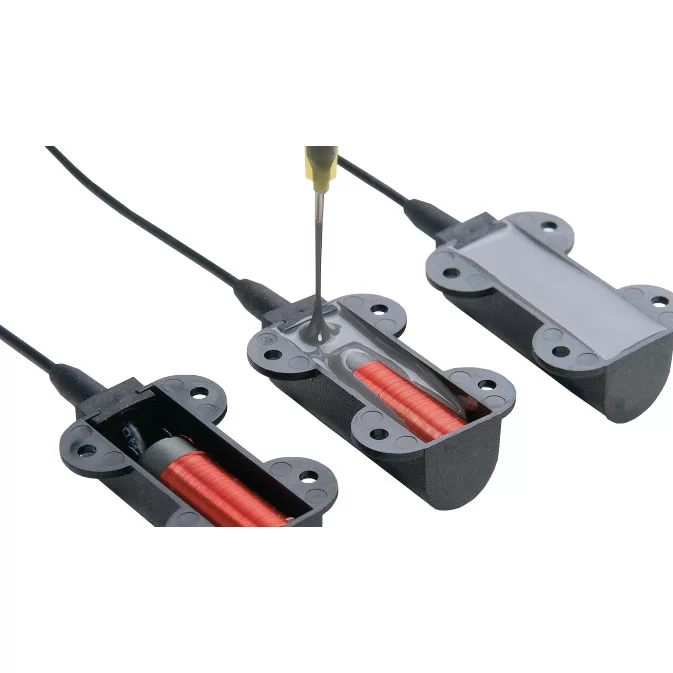
Cable potting involves encasing conductors in an epoxy, liquid, or gel within an enclosure or feedthrough housing.
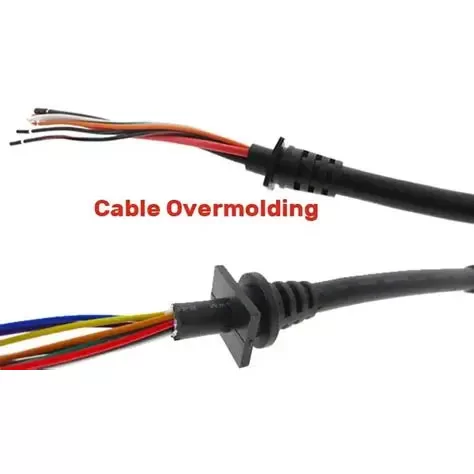
Cable overmolding is a manufacturing process that combines and seals a wire with a connector resulting in a single unified part.
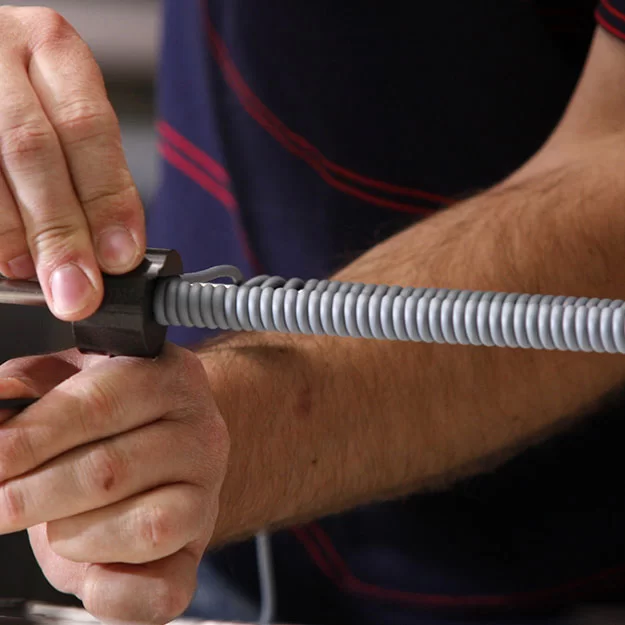
Cable coiling is the process of giving mechanical cables a spring-like shape for simple functionality. Coiled cables stretch beyond at-rest states while still retracting if needed.
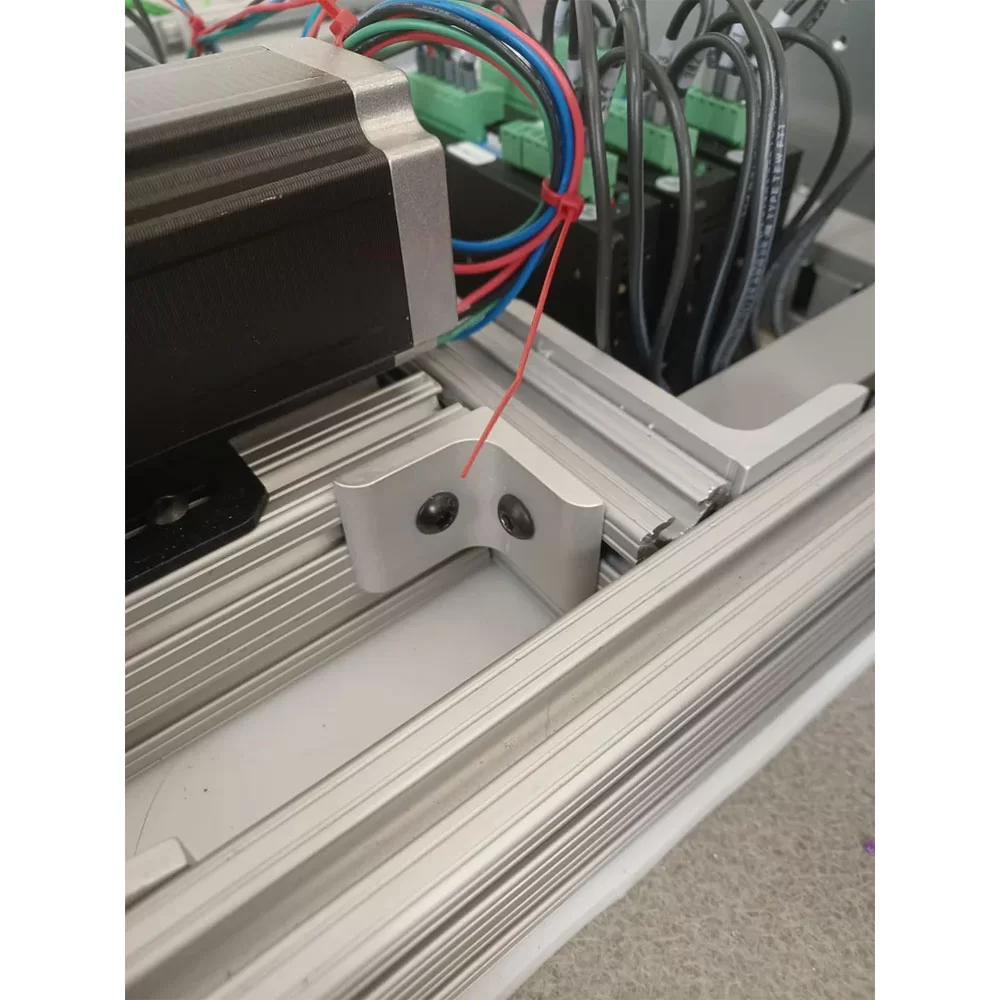
To facilitate your wire and cable installation, we can strip your wire for you.
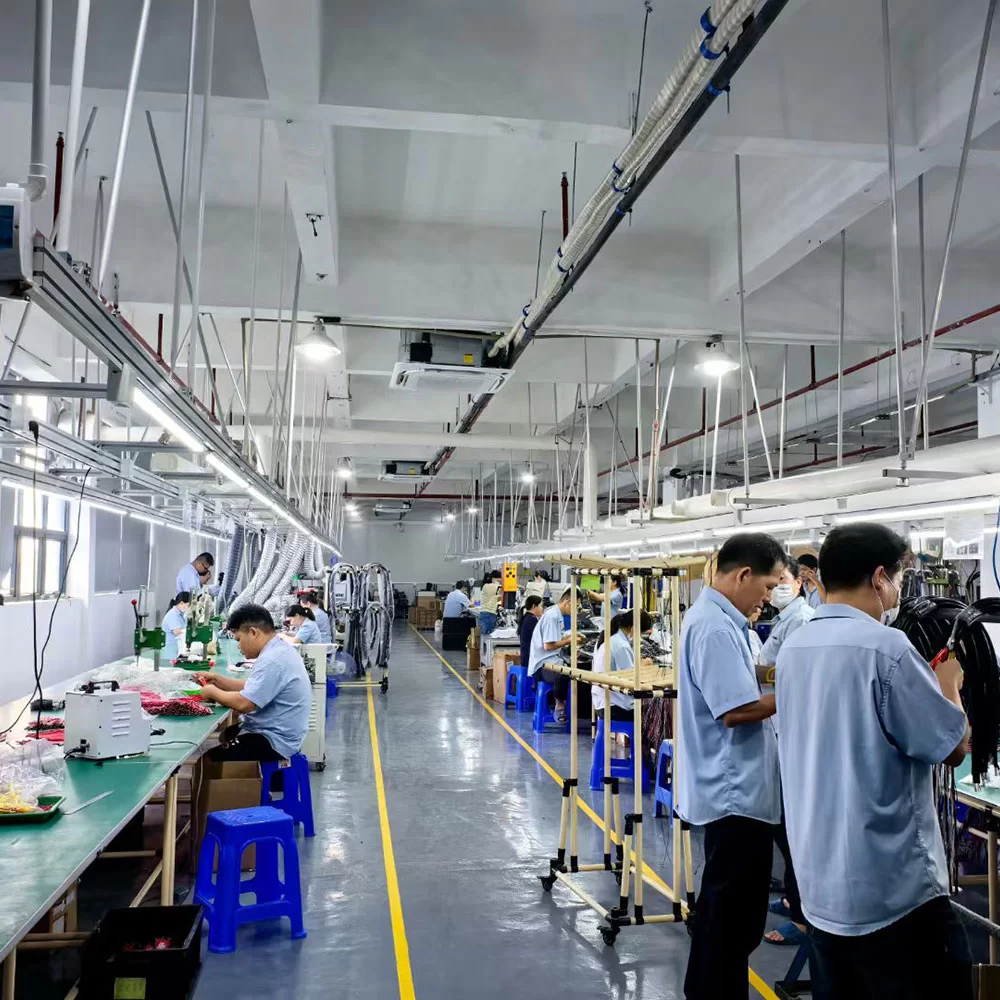
The cable & wire harness assembly manufacturing process includes wire cutting, insulation stripping, wire stripping, splice, twisting, tinning, soldering, inner mold shaping, wire twisting, terminal crimping, sleeving, loop testing, tubing, cable tying, injecti onmolding, labeling, conduit threading, coiling, packaging, and AQL Inspection.
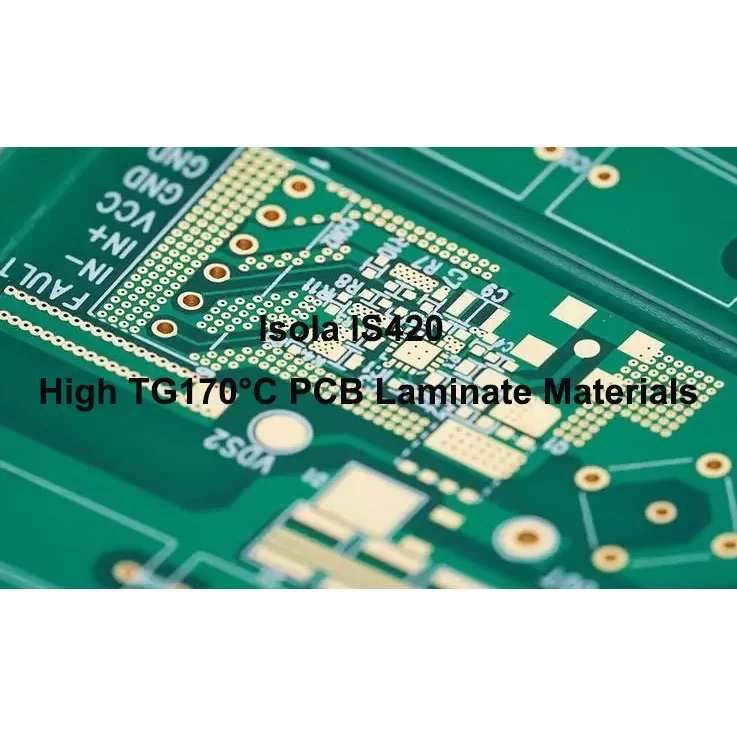
Isola is a company specializing in manufacturing and designing advanced material solutions for the electronics industry.
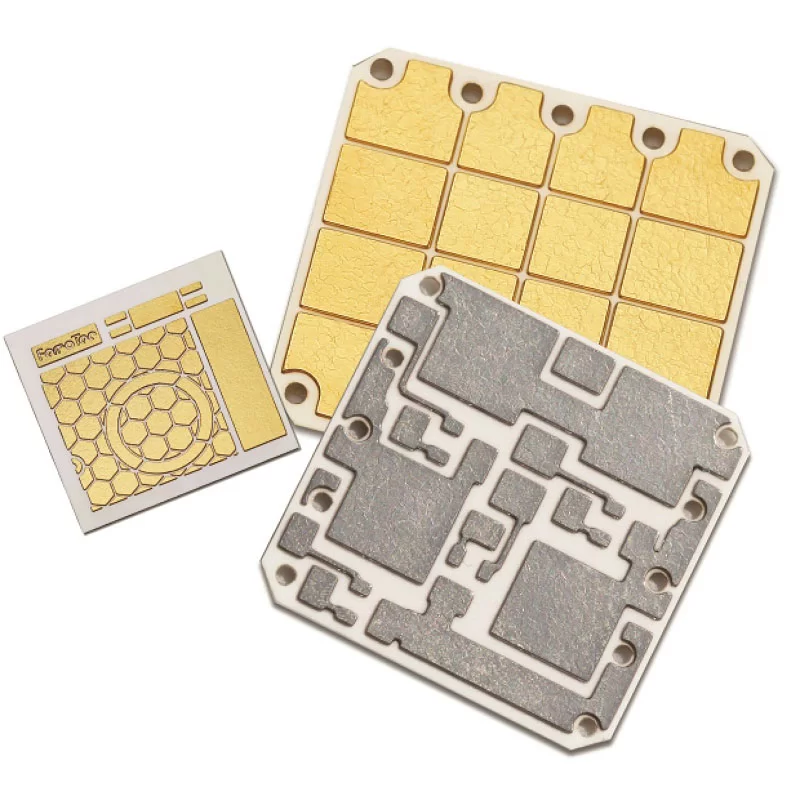
Ceramic PCB substrate refers to a special process board with copper foil directly bonded to the surface (single or double sides) of alumina (Al2O3) or aluminum nitride (AlN) ceramic PCB substrate at high temperatures.
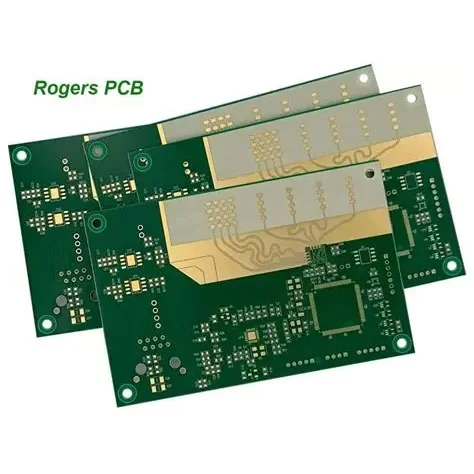
Good rigidity, mechanical and electrical properties, and easy hole metallization
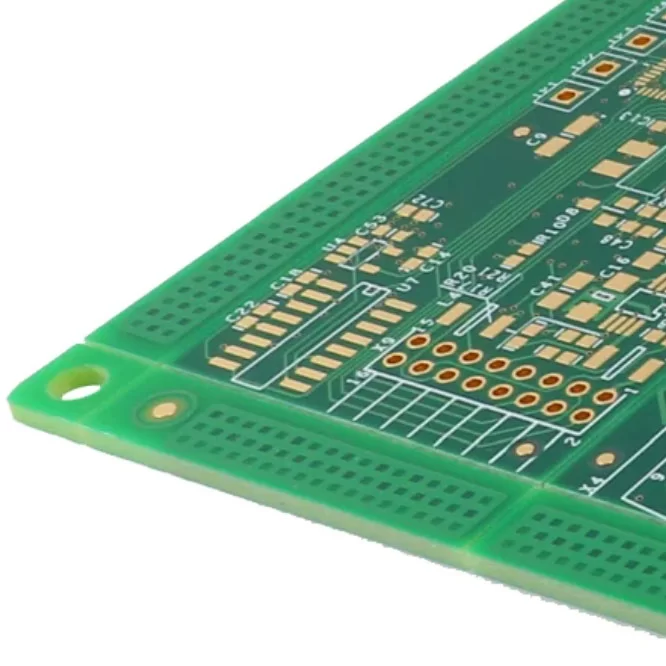
FR-4 stands out as one of the most versatile options. The composition of an FR-4 printed circuit board comprises a woven glass fabric reinforcement impregnated with a flame-retardant epoxy resin binder.
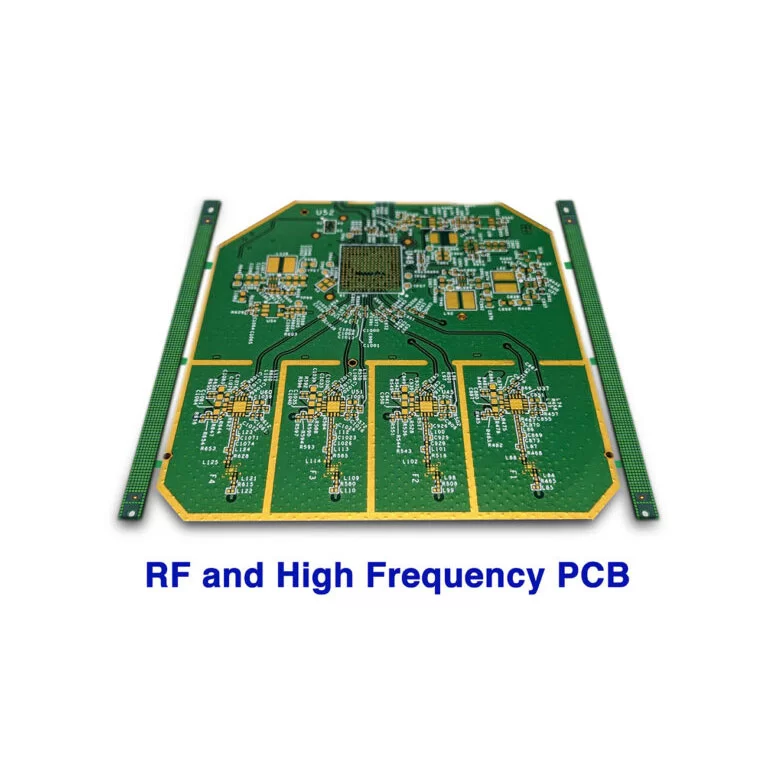
Electronic circuits behave very differently at high frequencies. This is mainly due to a change in the behavior of the passive components (resistors, inductors, and capacitors).
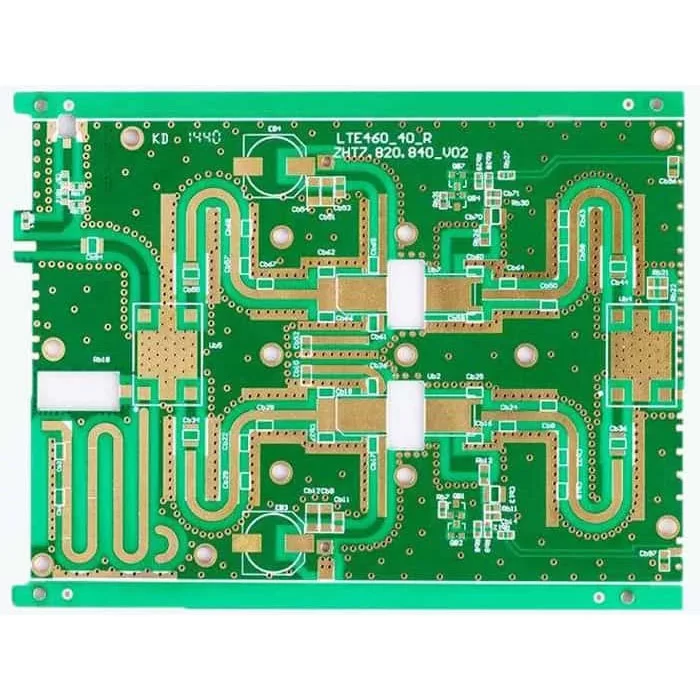
High-speed PCB design is a specialized area of electronics engineering that focuses on managing fast digital signals.
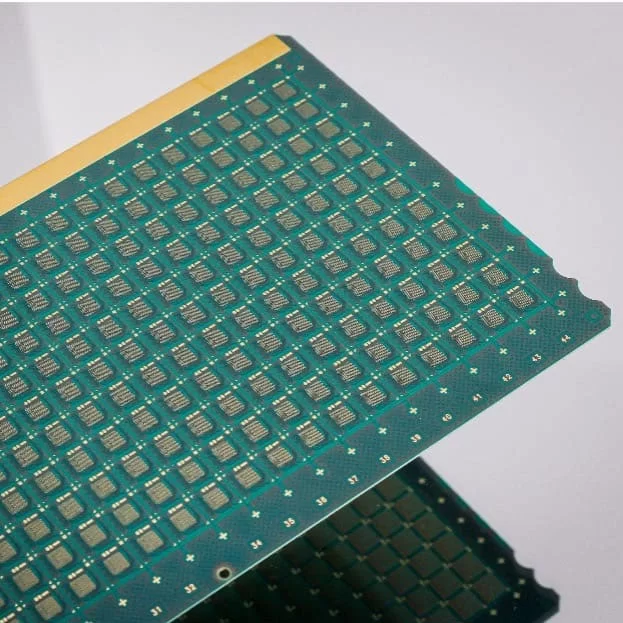
IC substrate PCB is simply the base material of the IC package, providing connections between the PCB and the IC package on the printed circuit board.
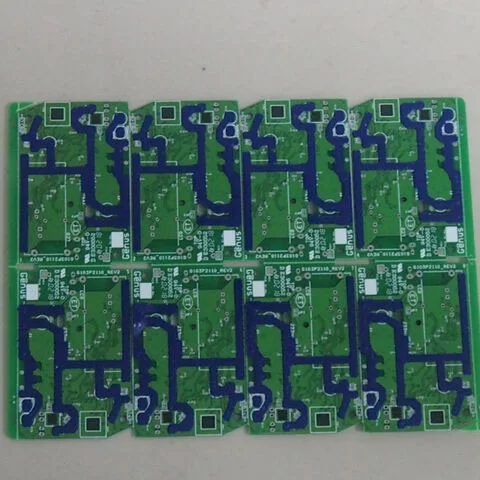
A peelable solder mask is a temporary protective coating applied to specific areas of a PCB during the manufacturing process.

Carbon ink PCB, also called carbon conductive PCB, are circuit boards with carbon ink applied onto the copper pad, replacing some of the more common solder plating such as Electroless Nickel Immersion Gold (ENIG) or Hot Air Solder Leveling – Lead Free (HASL).
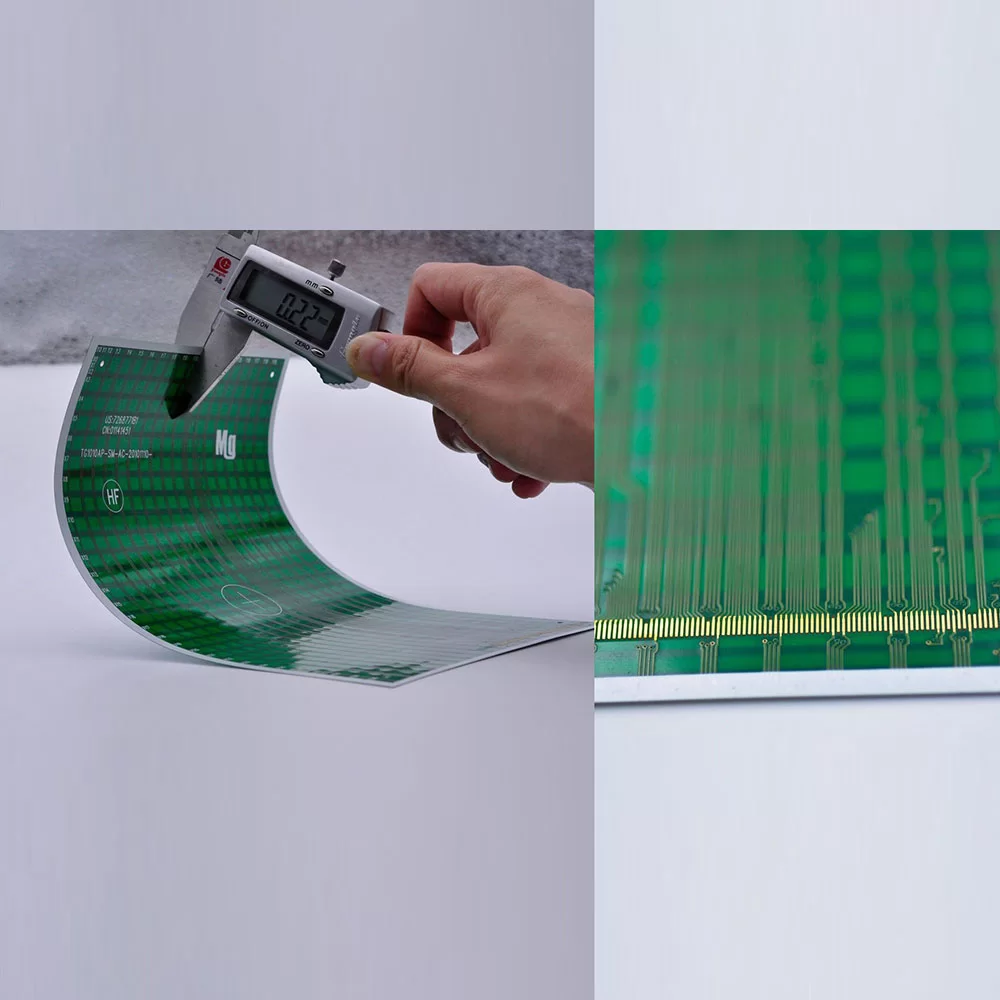
Ultra-thin flexible printed circuit boards (PCBs) have smaller copper features and other board materials.
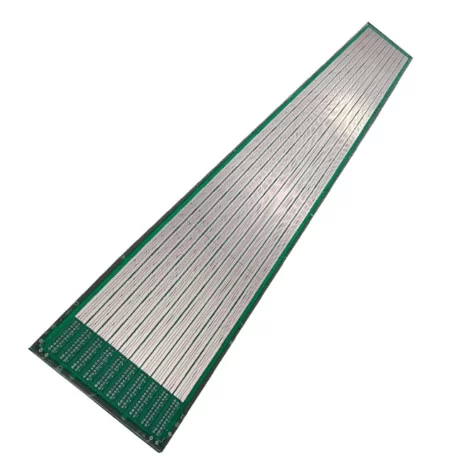
Long printed circuit boards (PCBs) represent a specialized segment of electronic manufacturing that addresses unique challenges in various industries.
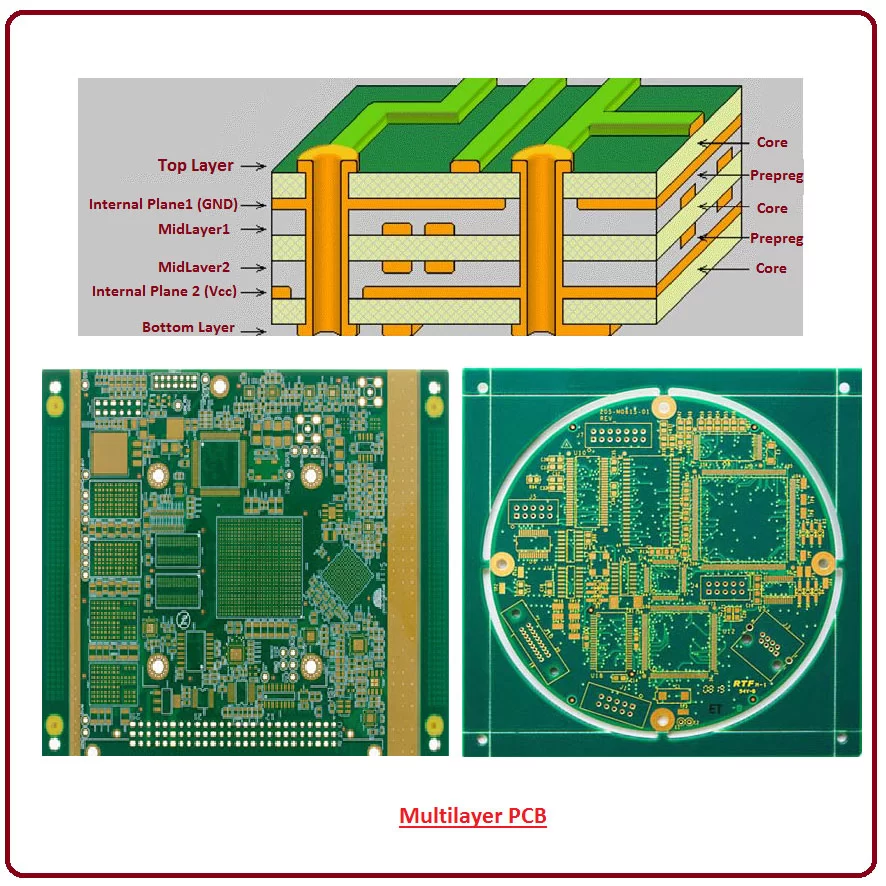
We can reduce the multilayer PCB board size with the help of inner layers as per PCB design rules.

We can reduce the multilayer PCB board size with the help of inner layers as per PCB design rules.
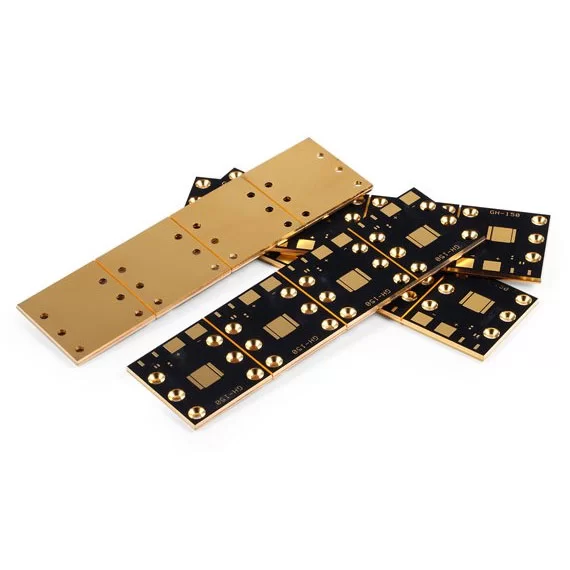
MCPCBs, also known as insulated metal substrate (IMS) PCBs or thermal clad PCBs.
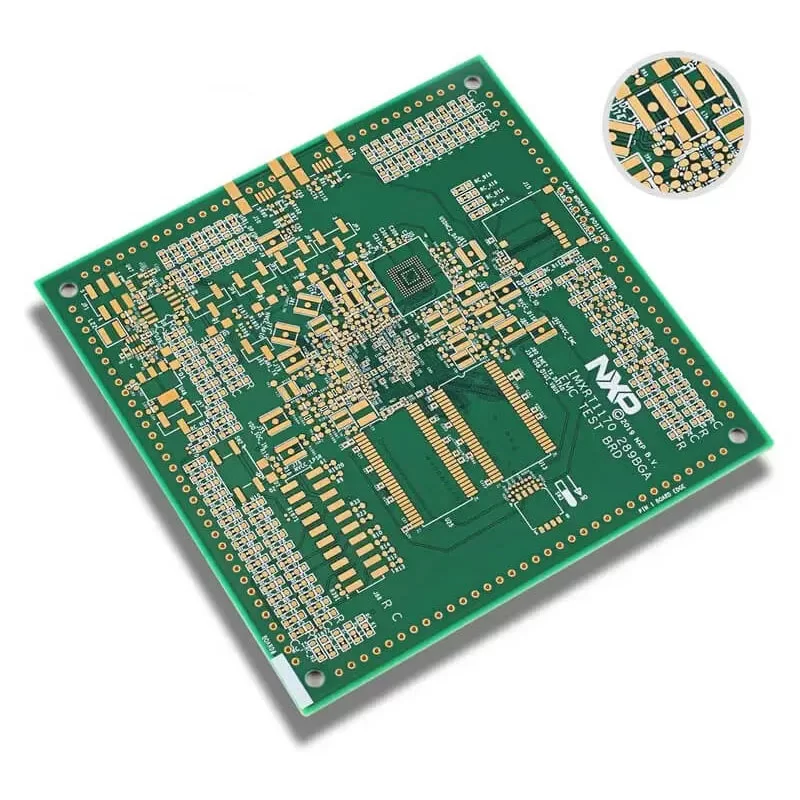
Higher Functionality: Rigid PCB boards allow multiple-layer construction and connection density, it has higher functionality and flexibility in board design.
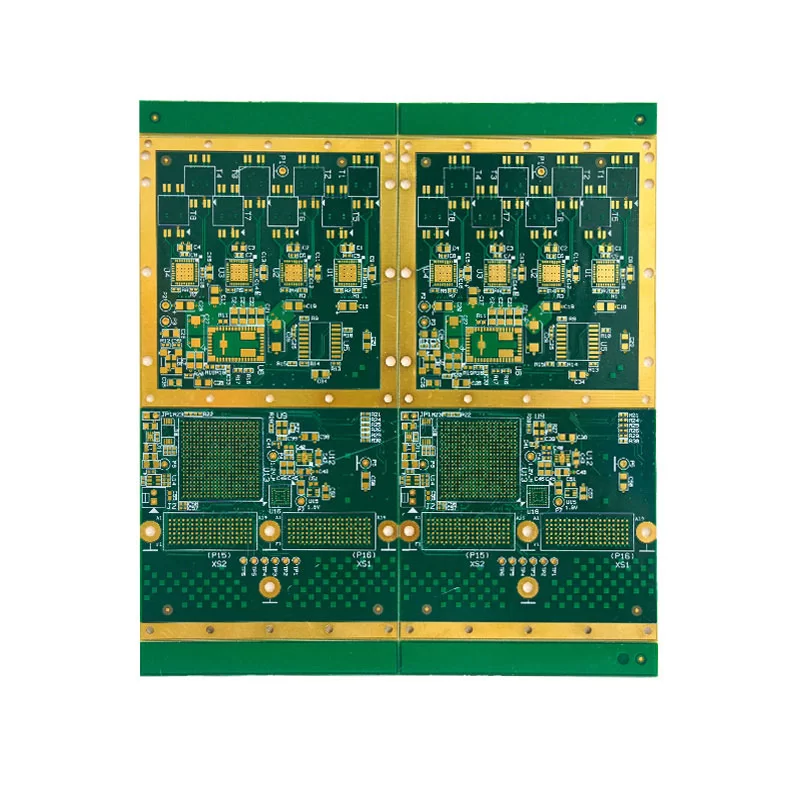
High-Density Interconnect (HDI) Printed Circuit boards are multilayer boards with high-density wiring per unit area.
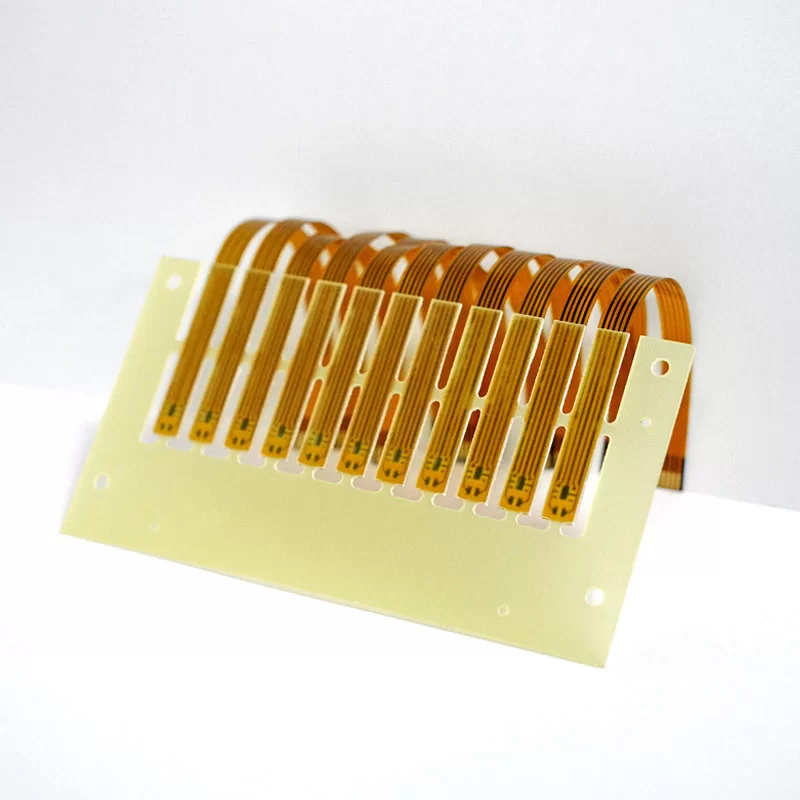
Rigid-flex PCBs are a combination of the features of both rigid and flexible PCBs. In this type of flex PCB board, only the required areas of the PCB are made with flexible materials that help connect the rigid parts of the circuit.

Flex PCB boards or flexible printed circuit boards, as the name suggests, carry out the function of regular PCB boards while being physically flexible.

PCB type: Rigid PCB
Layer: Multi-layer
Base material: FR-4
Solder mask: Green
Silk screen: White
Surface treatment: HASL

PCB type: Rigid PCB
Layer: Multi-layer
Base material: Aluminum base
Solder mask: White
Silk screen: Black
Surface treatment: Lead-free HASL
Application:PCBA with 8 high light LEDs for Car reading light

PCB type: Rigid PCB
Layer: Multi-layer
Base material: Aluminum base
Solder mask: Black
Silk screen: No
Surface treatment: Lead-free HASL
Applications: 12 high-light LEDs for Car foot-hole light
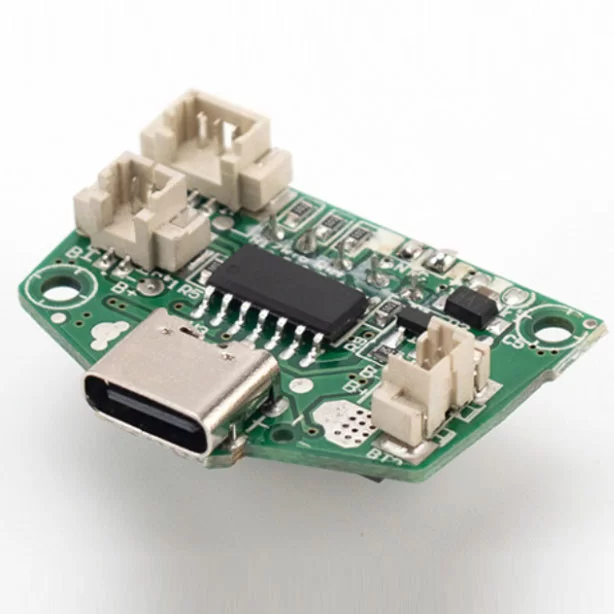
PCB type: rigid PCB
Layer: multi-layer
Base material: FR-4
Solder mask: Green
Silk screen: White
Surface treatment: Lead-free HASL
Applications: PCBA for Car digital display thermos cup & Cooling cup & car refrigerator control board

PCB type: rigid PCB
Layer: multi-layer
Base material: FR-4
Solder mask: Green
Silk screen: White
Surface treatment: Lead-free HASL
Applications: PCBA For Car Charger Wth Type-C Connector Supports 15W Wireless Fast Charging

Automation PCB assembly involves specific considerations and requirements due to the unique needs of the automation industry.
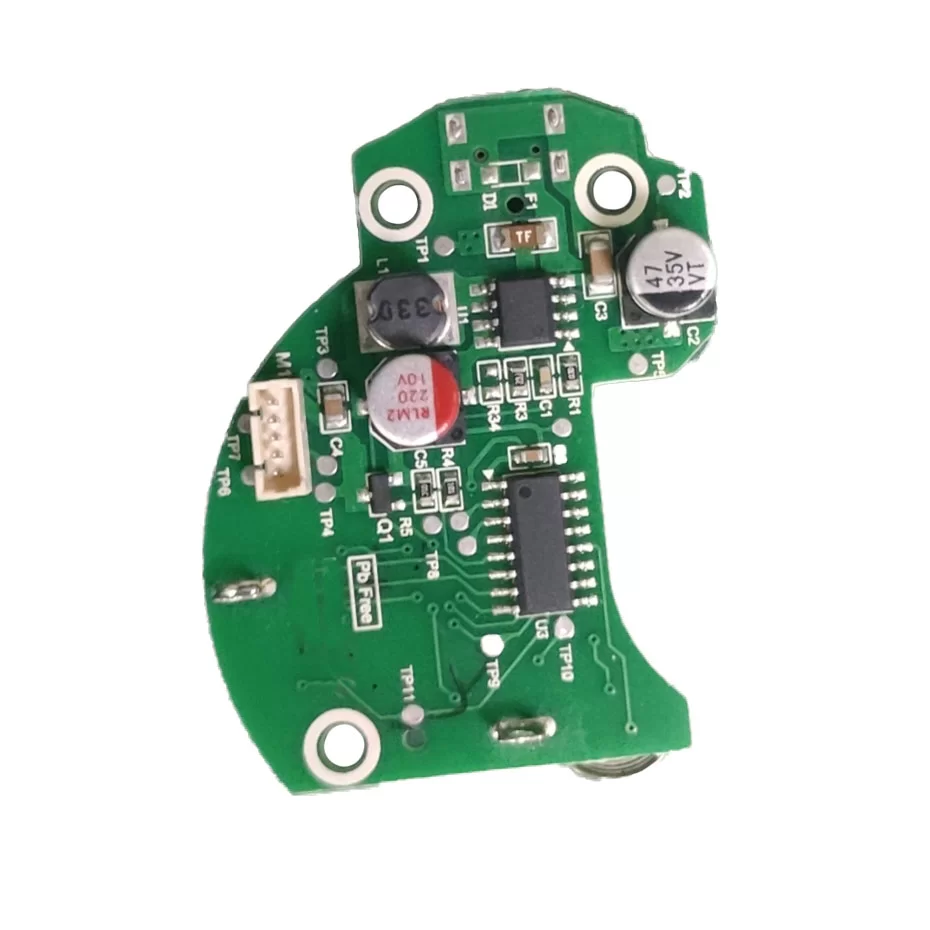
PCB type: Rigid PCB
Layer: Multi-layer
Base material: FR-4
Solder mask: Green
Silk screen: White
Surface treatment: Lead-free HASL
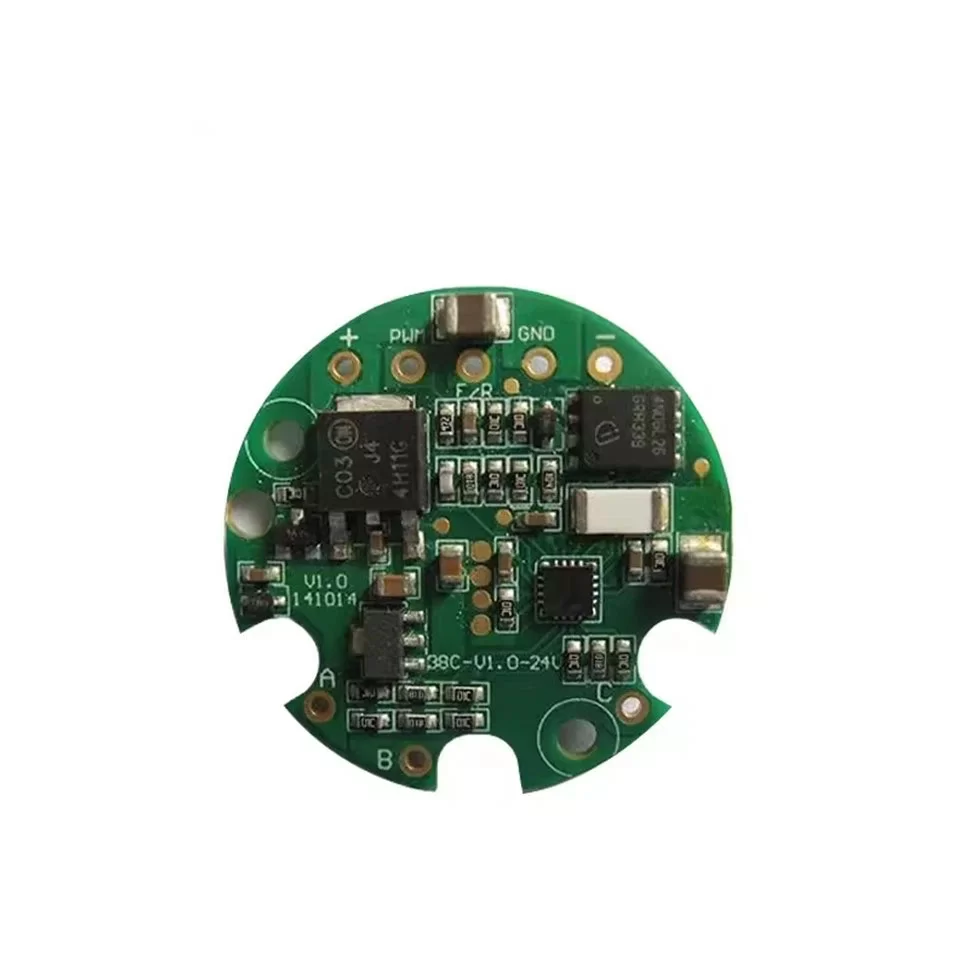
PCB type: Rigid PCB
Layer: Multi-layer
Base material: Aluminum
Solder mask: White
Silk screen: Black
Surface treatment: Lead-free HASL
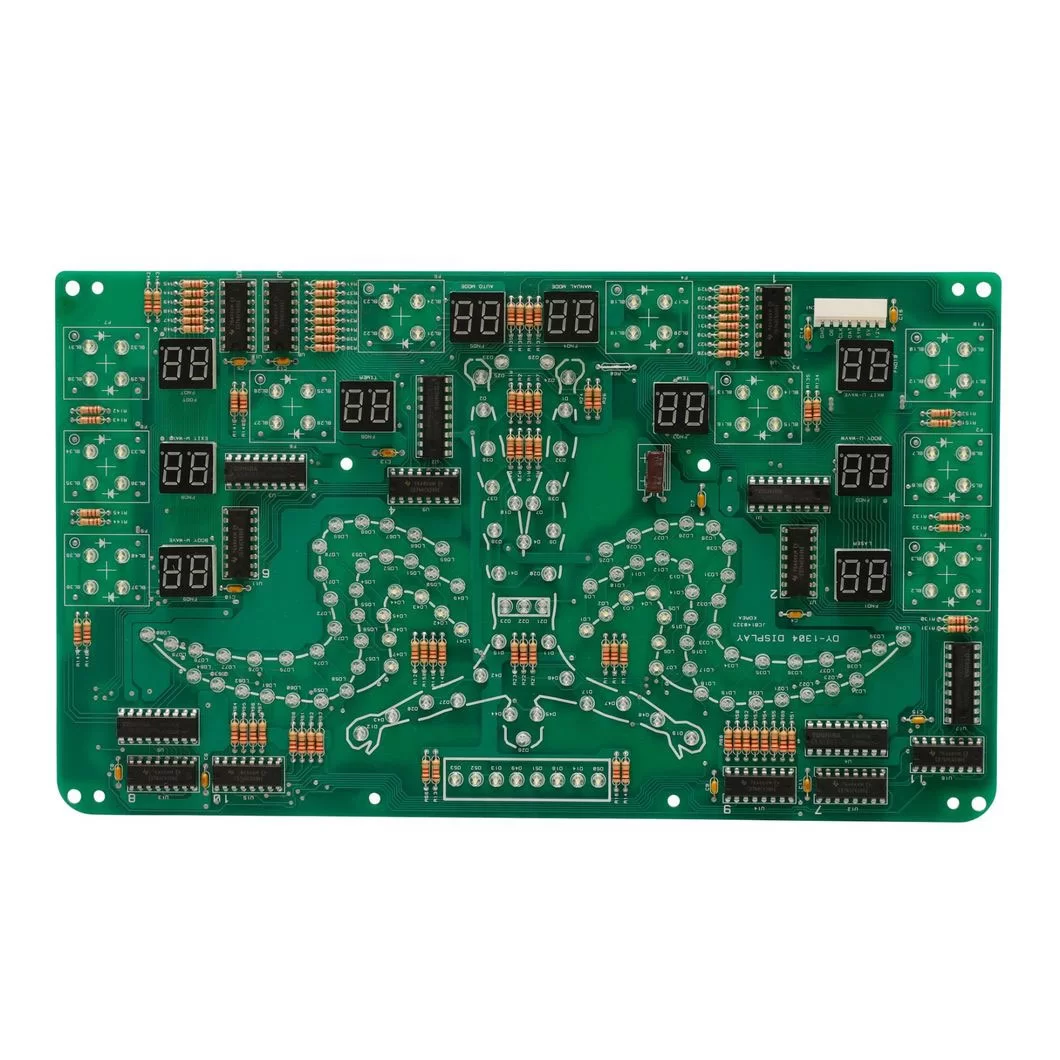
PCB type: Rigid PCB
Layer: single-sided
Base material: FR-4
Solder mask: Yellow
Silk screen: White
Surface treatment: Lead-free HASL

PCB type: Rigid PCB
Layer: Multi-layer
Base material: FR-4
Solder mask: Blue
Silk screen: White
Surface treatment: Lead-free HASL
PCB type: Rigid PCB
Layer: Multi-layer
Base material: FR-4
Solder mask: Green
Silk screen: White
Surface treatment: Lead-free HASL
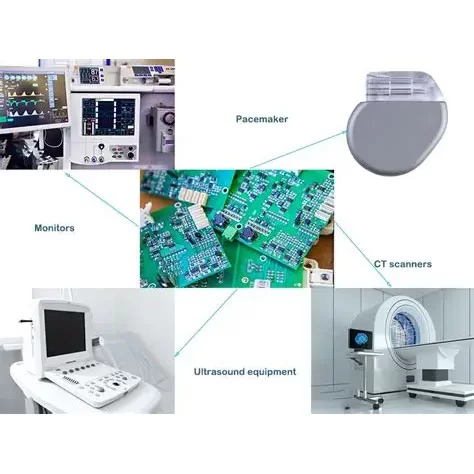
Due to the specific nature of their industry applications, medical electronic PCBAs require extremely high performance standards.
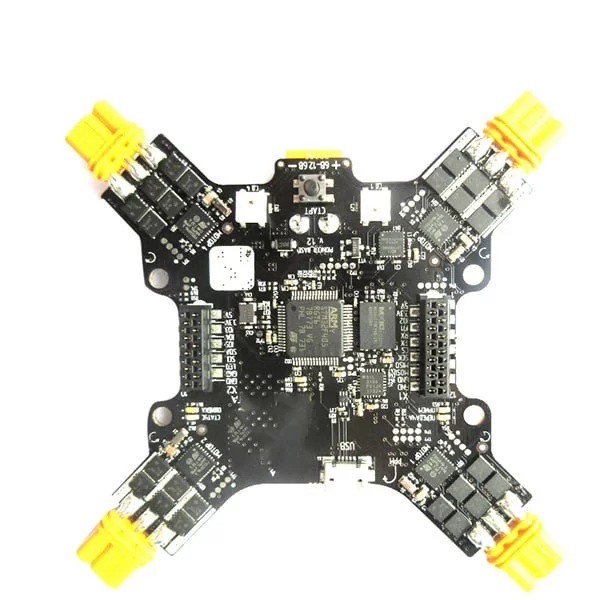
PCB Type: Rigid Board
Layer: Multilayer
Base material: FR-4
Solder mask: Red
Silk screen: White
Surface treatment: Lead-free HASL
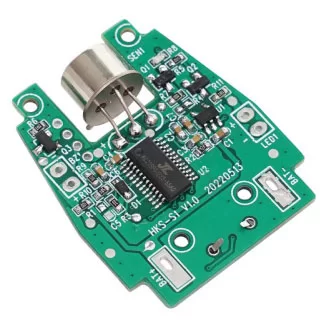
PCB Type: Rigid PCB
Layer: Multi layer
Base material: FR-4
Solder mask: Green
Silk screen: White
Surface treatment: Lead-free HASL
Two-way intercom systems have become indispensable in modern communication, enabling seamless, real-time interaction across various settings, from smart homes and commercial offices to industrial facilities and military operations.

High Integration Enhances Performance:With technological advancements, components on PCBA boards are becoming increasingly miniaturized and denser.
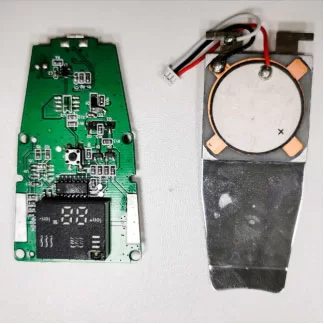
PCB Type: Rigid Board
Layer: Multilayer
Base material: FR-4
Solder mask: Green
Silk screen: White
Surface treatment: Lead-free HASL

PCB Type: Rigid Board
Layer: single layer
Base material: FR-4
Solder mask: Green
Silk screen: White
Surface treatment: Lead-free HASL
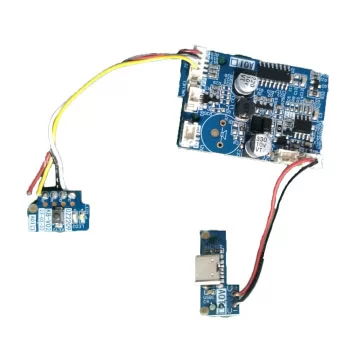
PCB Type: Rigid Board
Layer: Double side
Base material: FR-4
Solder mask: Blue
Silk screen: White
Surface treatment: Lead-free HASL
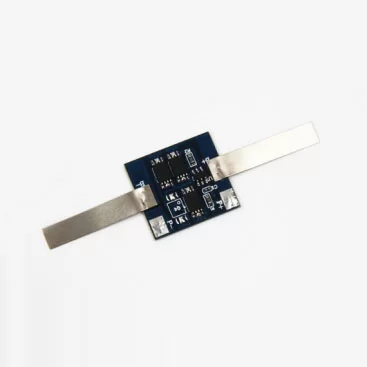
PCB type: rigid PCB
Layer: multi-layer
Base material: FR-4
Solder mask: Green
Silk screen: White
Surface treatment: Lead-free HASL

PCB type: Rigid PCB
Layer: 4L
Base material: FR-4
Solder mask: White
Silk screen: Black
Surface treatment: Lead-free HASL
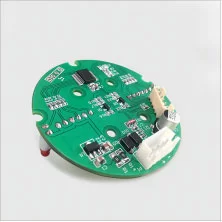
PCB type: rigid PCB
Layer: multi-layer
Base material: FR-4
Solder mask: Green
Silk screen: White
Surface treatment: Lead-free HASL

PCBA(printed circuit board assembly) can perform more powerful functions than bare PCB (printed circuit board) and support the operation of robots.
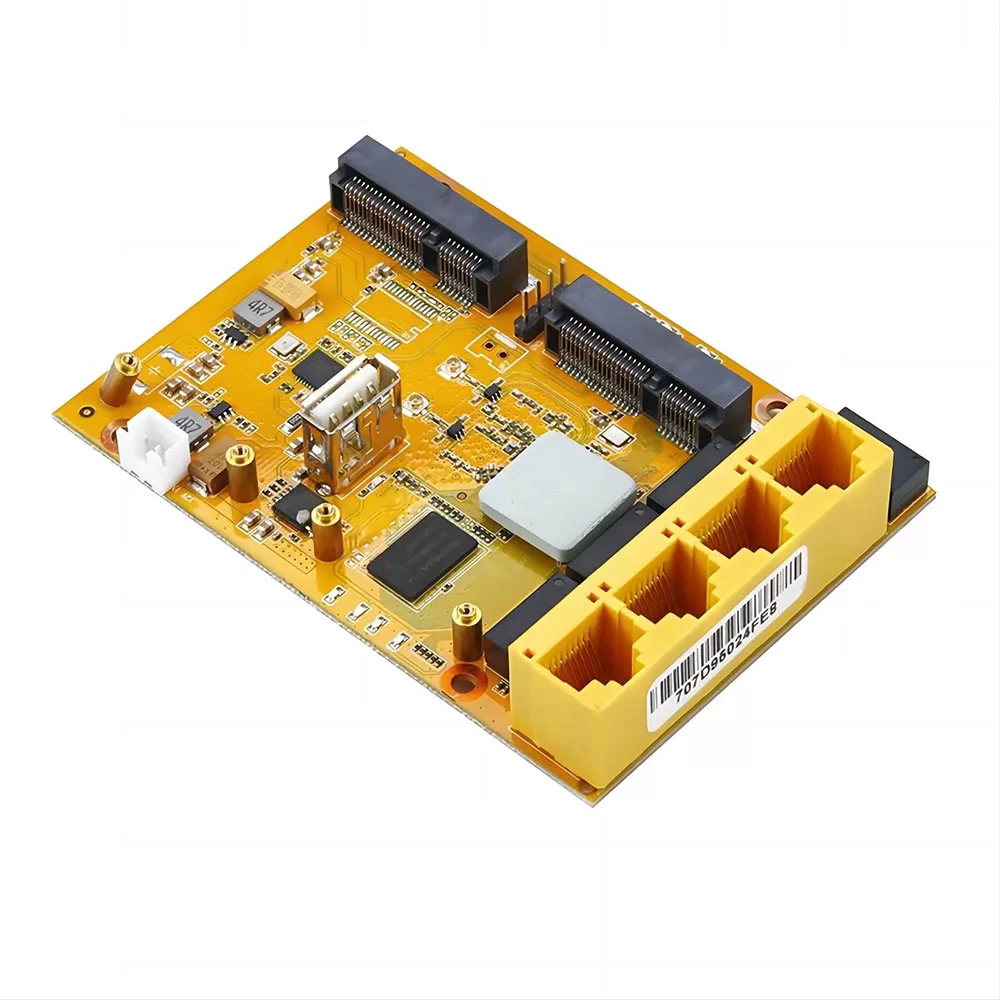
Hardware Platform: All router functions rely on the PCBA board as the hardware platform.
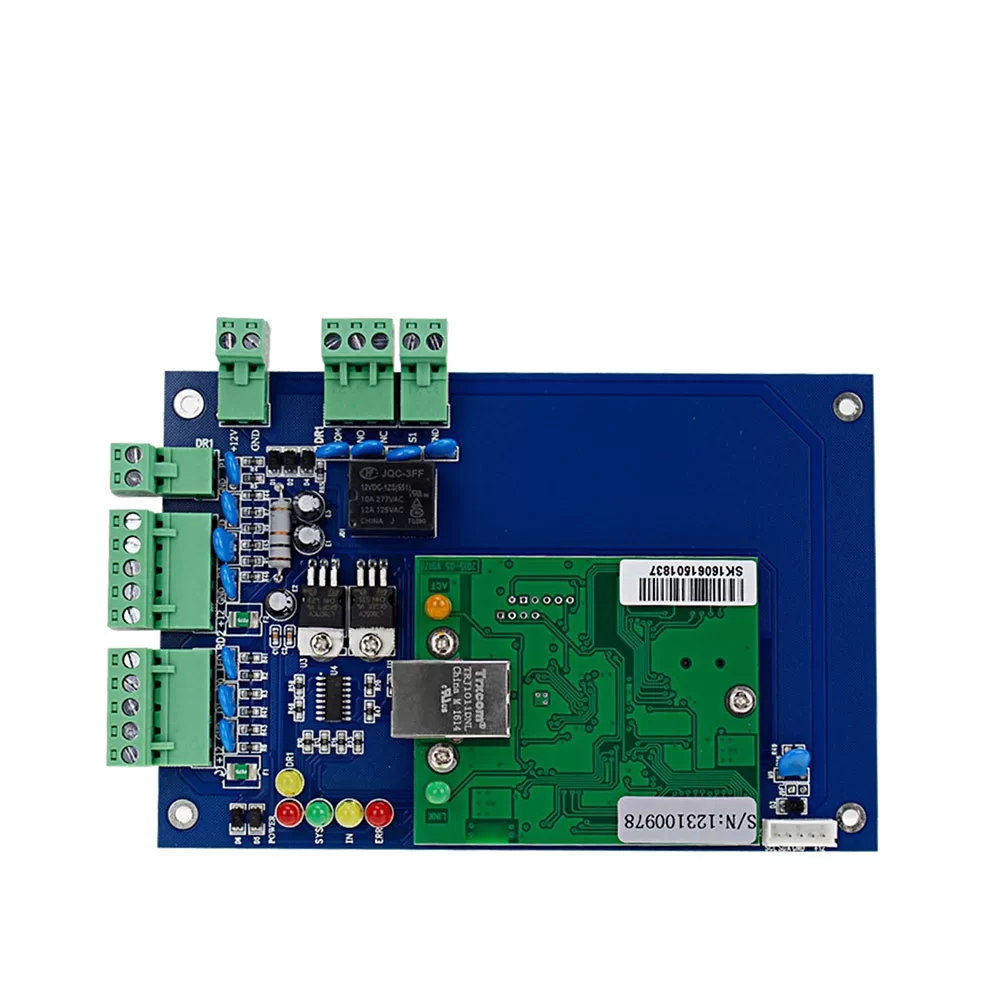
These assemblies comprise specialized control boards designed to manage, monitor, and restrict access to specific resources or areas.
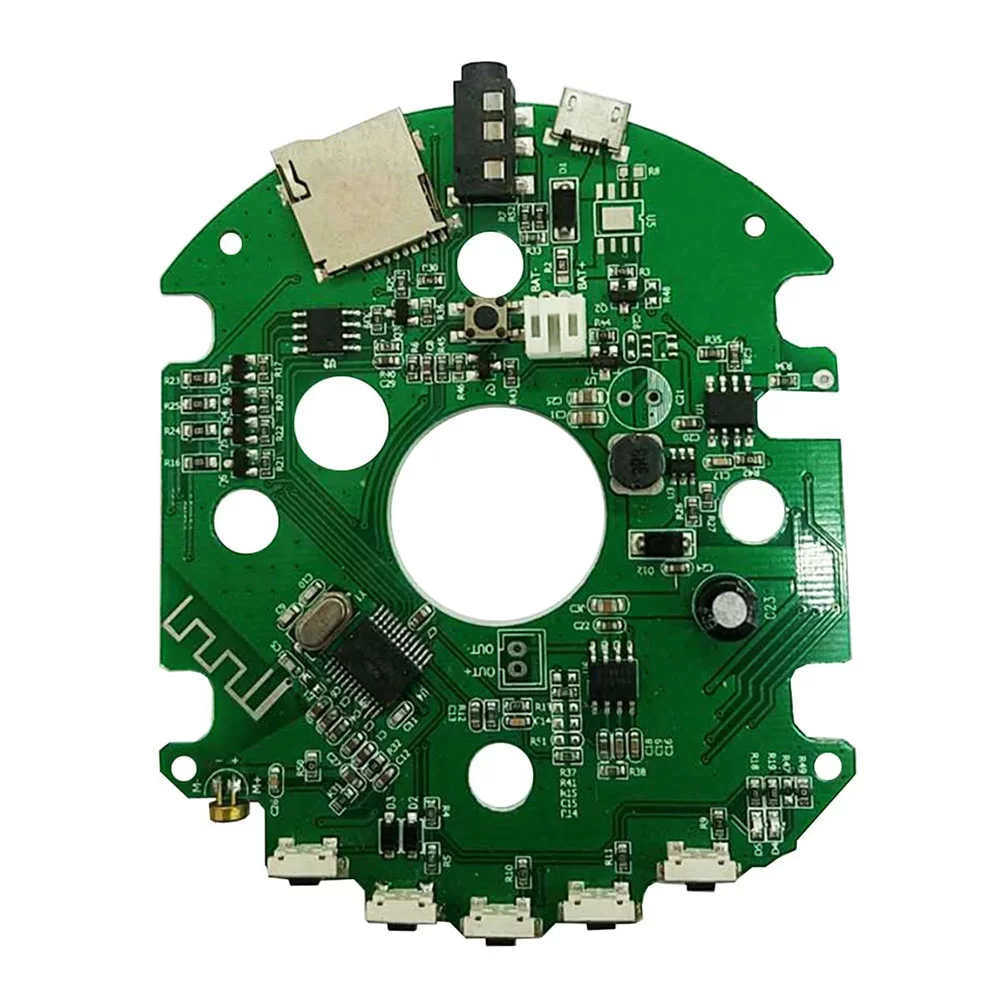
The main differences between PCB assembly for programming education boards and other general PCB assemblies lie in design goals, component types, assembly processes, and application scenarios.
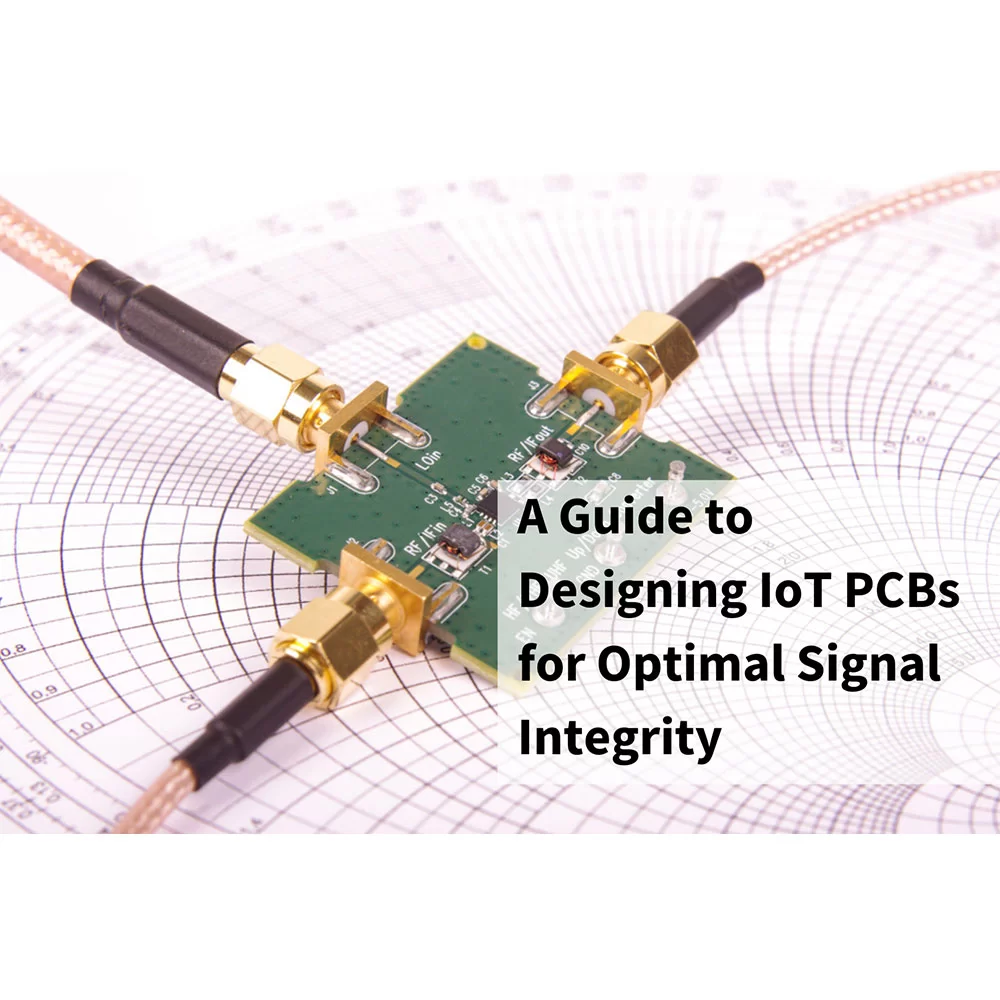
Internet of Things (IoT) refers to various devices and technologies such as various information sensors, radio frequency identification technology, global positioning system, infrared sensor, laser scanner, etc. Objects or processes collect a variety of information, light, heat, electricity, mechanics, chemistry, biology, location and other needs.
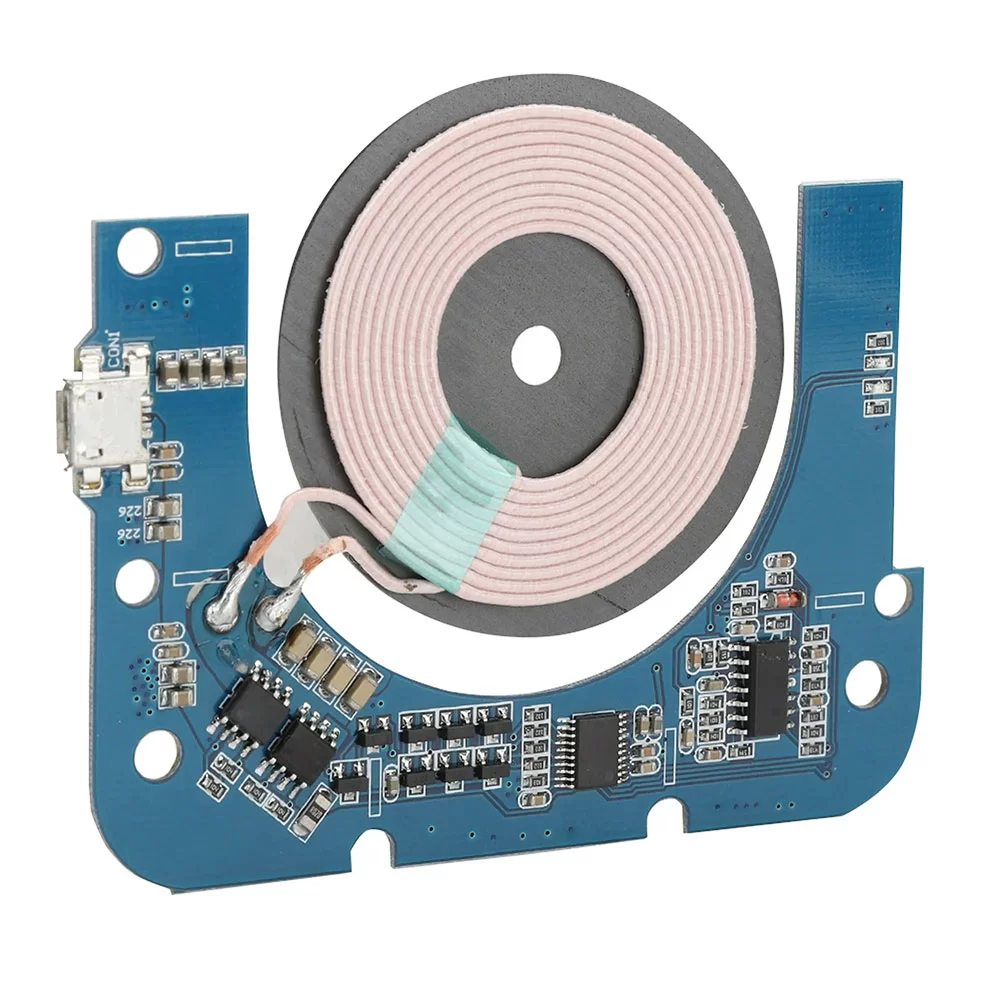
The Robot Wireless Charging Module PCBA (Printed Circuit Board Assembly) plays a critical role in determining how fast and efficiently a device charges wirelessly.

PCBs are critical in EV technology, employed in powertrains, battery management systems, onboard chargers, and vehicle control units.
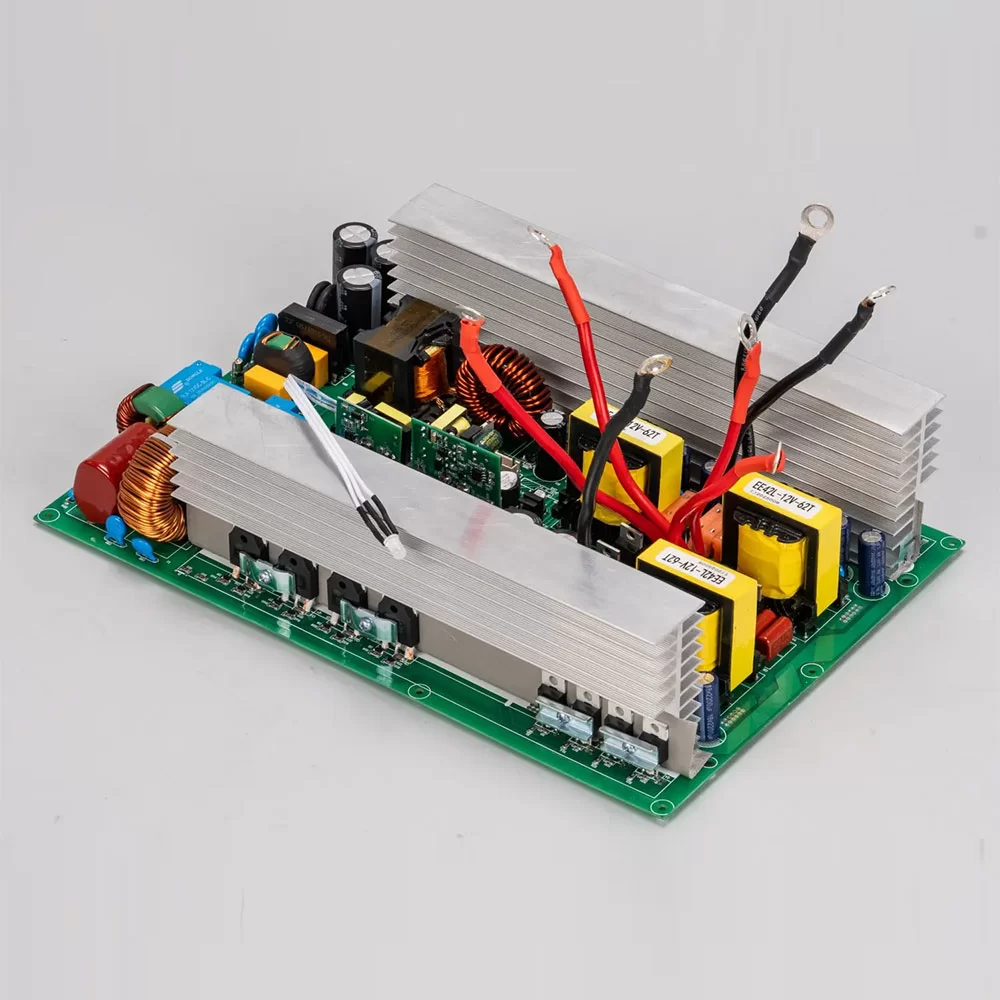
Solar PCBs are the backbone of solar energy systems, controlling everything from power conversion to energy storage.
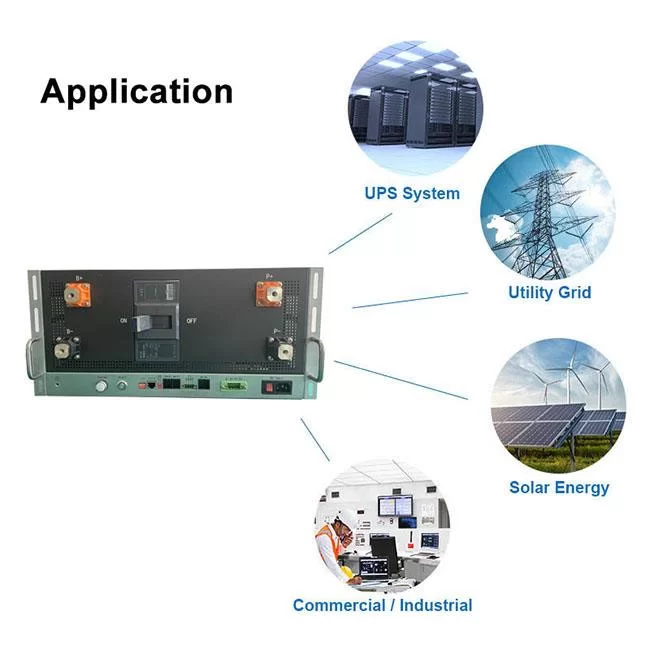
The main theme behind designing and manufacturing New energy PCBA is maximizing energy efficiency, which is one of the prime requirements for devices that use high power.
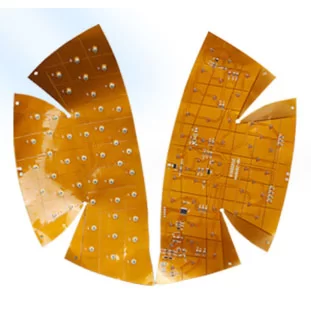
Board Type: Flexible Board
Layers: Multilayer
Base material: PI
Solder mask: Yellow coverlay
Silk screen: No
Surface treatment: ENIG
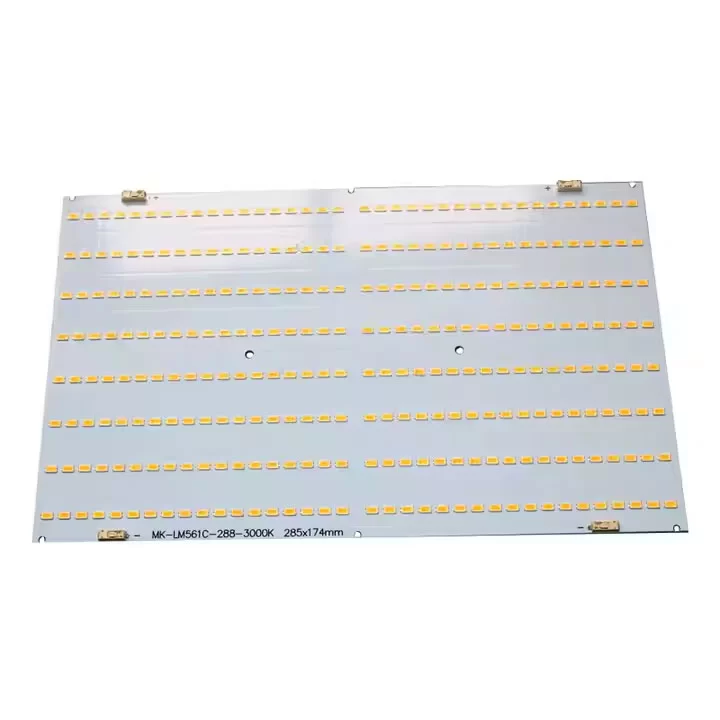
PCB Type: FPC ( flexible PCB)
Layer: Double layer
Base material: Alumium base
Solder mask: White
Silk screen: Black
Surface treatment: Lead-free HASL
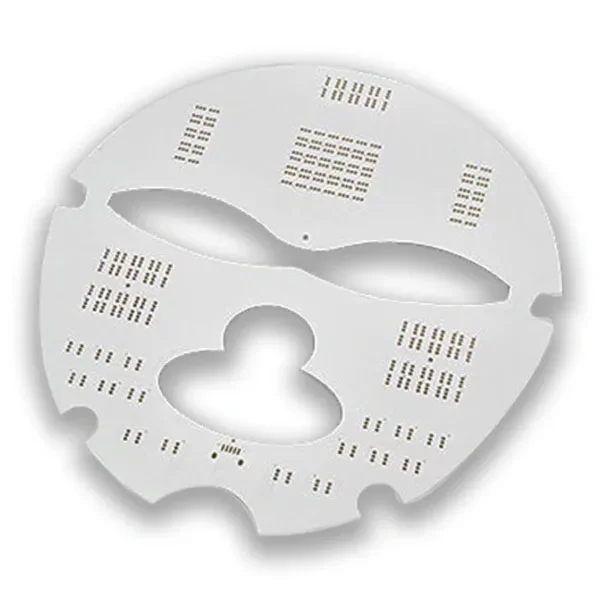
Board Type: Flexible Board
Layers: Single layer
Base material: Alumium
Solder mask: Black
Silk screen: No
Surface treatment: Lead-free HASL
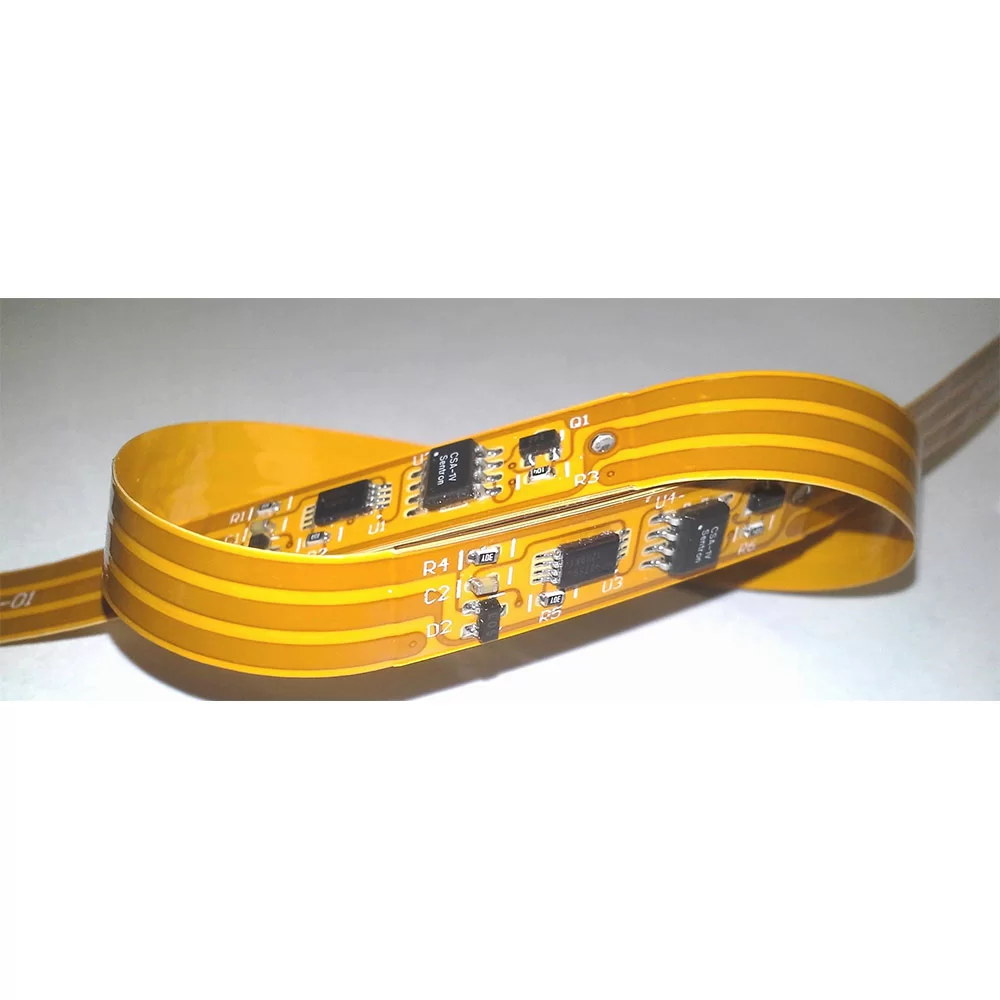
Flexible PCB assembly refers to the assembly of flexible printed circuit boards. It uses a flexible substrate as the base material to structurally support electronic components and achieve electrical connections between them.

PCB type: rigid PCB
Layer: multi-layer
Base material: FR-4
Solder mask: Green
Silk screen: White
Surface treatment: Lead-free HASL
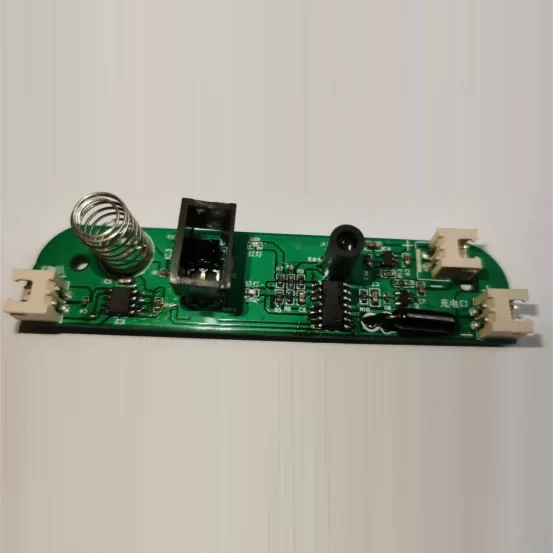
PCB type: Rigid PCB
Layer: double layers
Base material: FR-4
Solder mask: Green
Silk screen: White
Surface treatment: Lead-free HASL
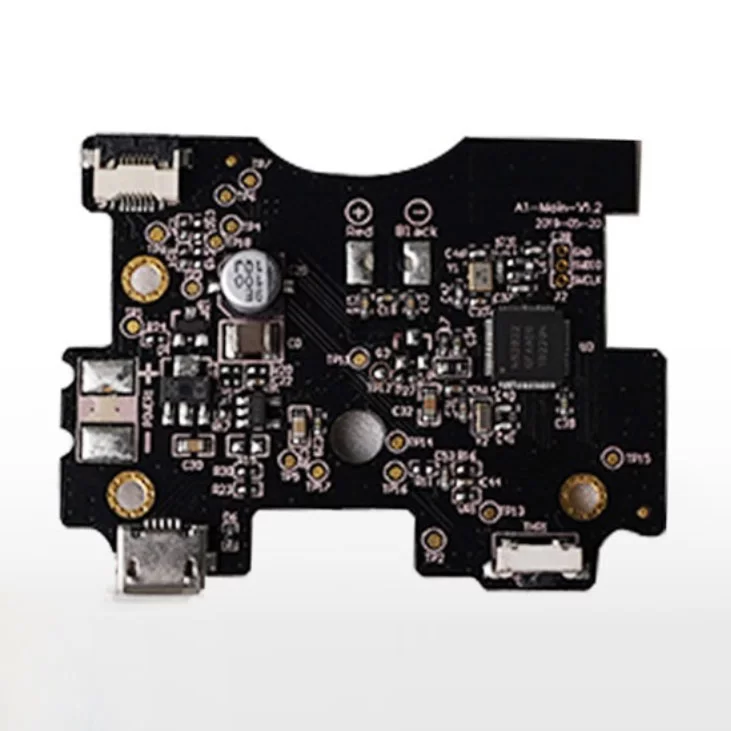
PCB type: Rigid PCB
Layer: double-sided
Base material: FR-4
Solder mask: Green
Silk screen: White
Surface treatment: Lead-free HASL
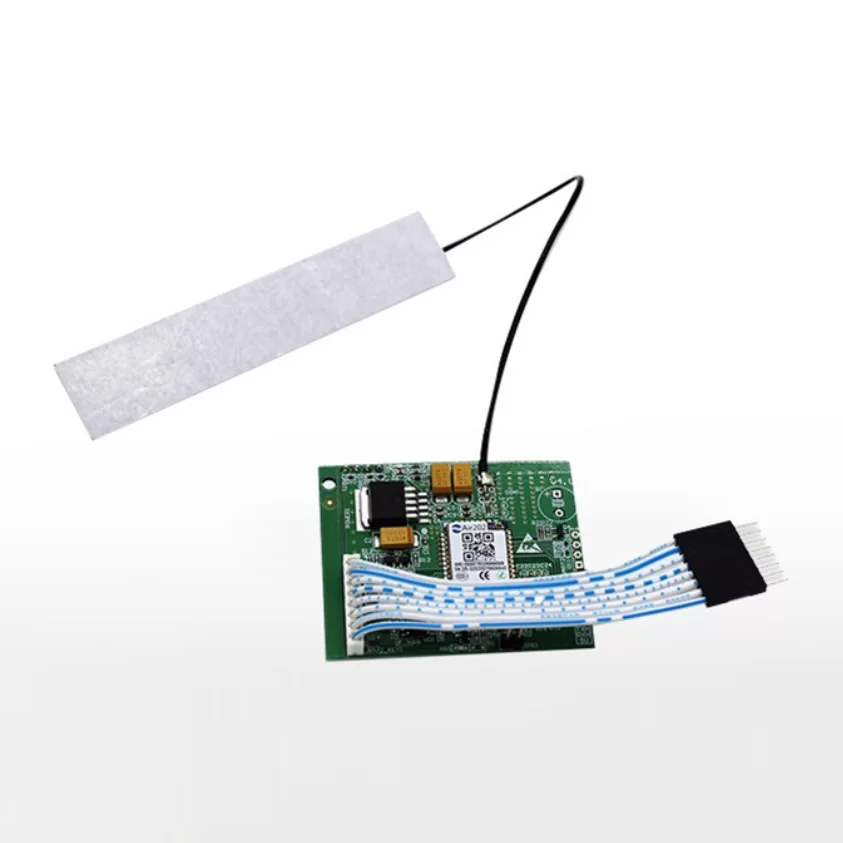
PCB type: Rigid PCB
Layer: double-sided
Base material: FR-4
Solder mask: green
Silk screen: White
Surface treatment: Lead-free HASL
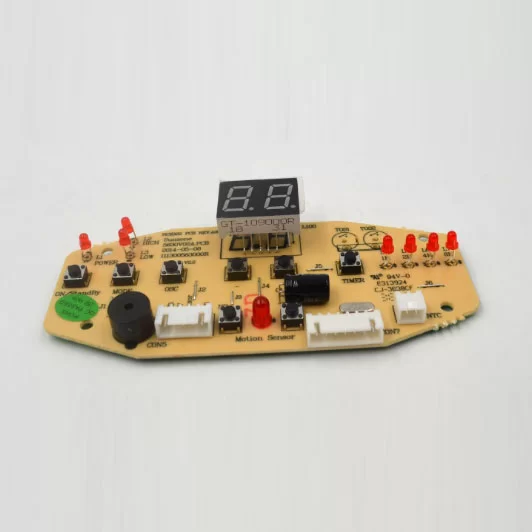
PCB type: rigid PCB
Layer: multi-layer
Base material: FR-4
Solder mask: Green, Dusky yellow
Silk screen: White
Surface treatment: Lead-free HASL

PCB type: Rigid PCB
Layer: Multi-layer
Base material: Aluminum, FR-4
Solder mask: White, Green
Silk screen: Black, White
Surface treatment: Lead-free HASL
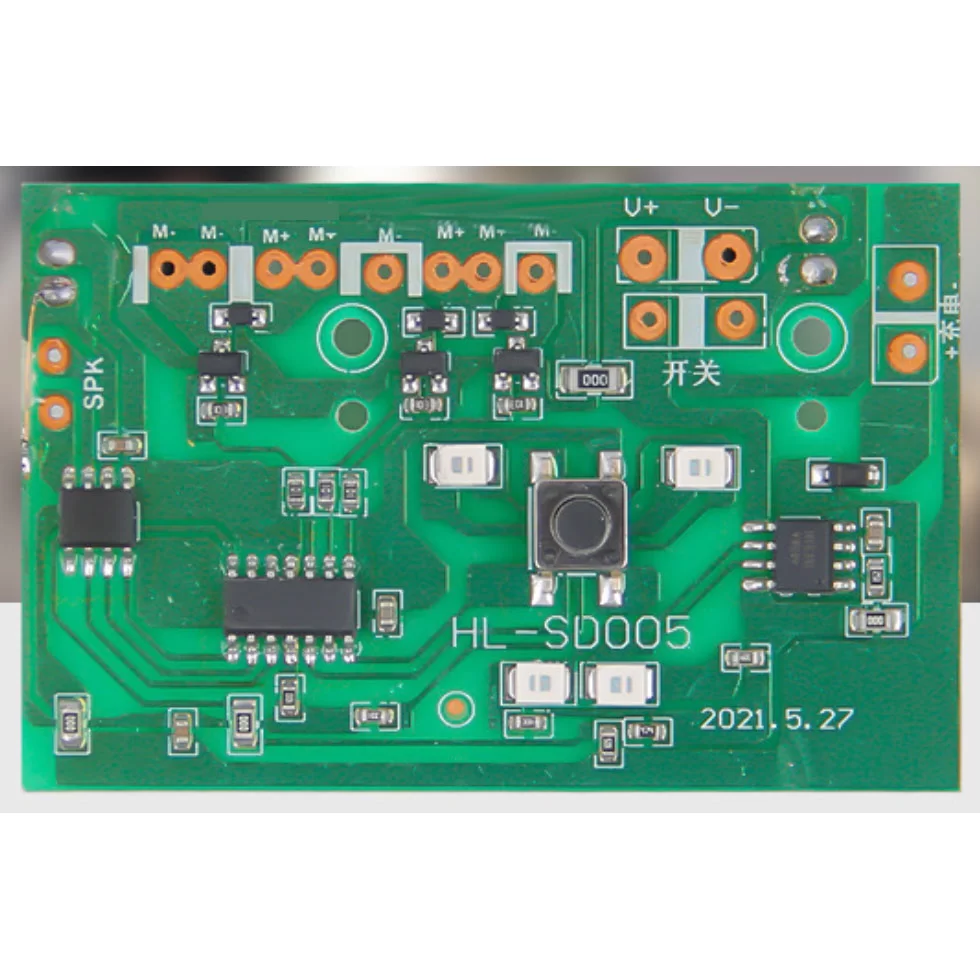
PCB type: Rigid PCB
Layer: double layers
Base material: FR-4
Solder mask: Green
Silk screen: White
Surface treatment: Lead-free HASL
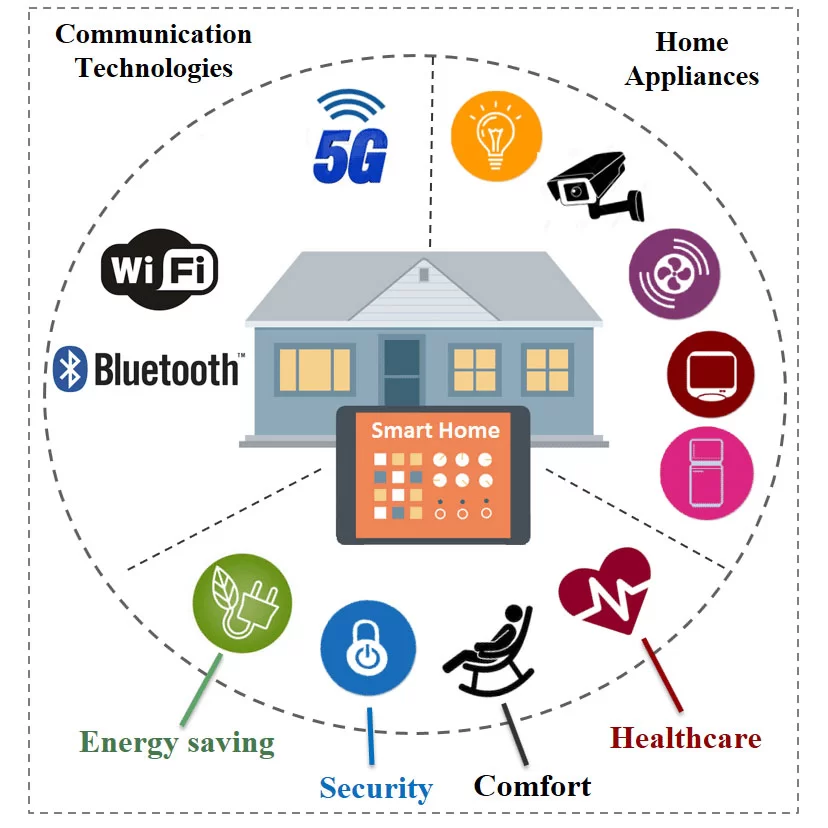
A Smart Home PCB is the backbone of various smart home devices. It’s a platform that houses electronic components, including microcontrollers, sensors, and connectors, enabling communication and control within a smart home ecosystem.


Oct 09, 26
Printed Circuit Boards (PCBs) are manufactured in large quantities for applications ranging from consumer electronics and industrial equipment to automotive systems and communication devices.
View More >>

Oct 08, 26
Printed Circuit Boards (PCBs) are an essential part of almost every modern electronic device. From simple hobby projects and educational kits to industrial controllers, home appliances, automotive systems, and advanced control equipment, PCBs provide a stable platform for connecting and operating electronic components.
View More >>

Sep 30, 26
Printed circuit boards are at the heart of countless electronic products, from consumer devices to industrial control systems. As modern electronics become smaller and more sophisticated, PCB layouts are becoming increasingly compact, with more components, interconnections, and functional circuits integrated into limited board space.
View More >>

Sep 29, 26
Modern electronic products continue to become smaller, faster, and more functionally integrated. To accommodate increasingly complex circuits, manufacturers place more components and conductive paths within limited PCB space.
View More >>


