
wire harness twisting
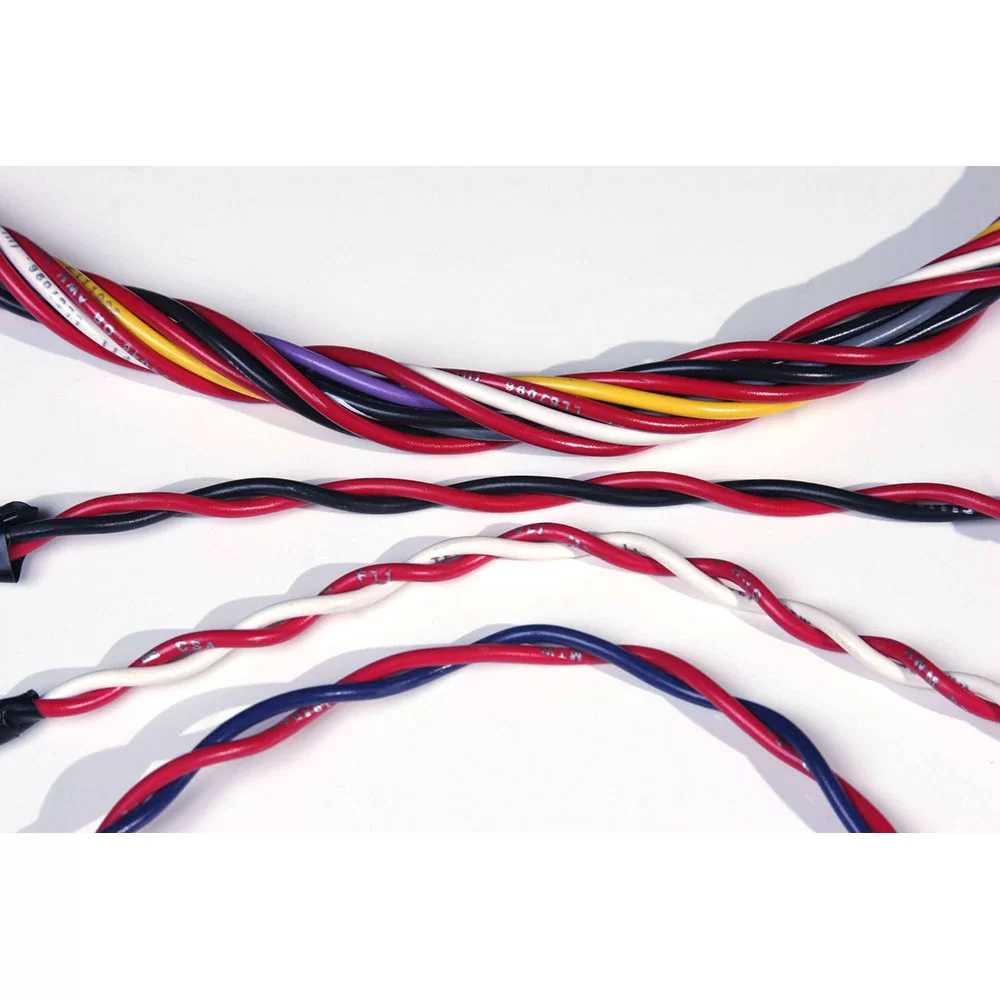


Precision Wire Harness Twisting Services
Advanced wire grouping, mechanical twisting, and custom cable assembly solutions engineered for electrical performance, noise reduction, and mechanical stability.
Introduction to Wire Twisting
Wire twisting is a fundamental manufacturing process in modern cable and harness production. It entwines multiple individual insulated wires together and arranges them tightly next to each other in a precise geometric formation. Depending on the American Wire Gauge (AWG) size and insulation thickness, advanced manufacturing systems can group up to fifty conductors into a single, uniform twisted assembly.
In electronic and electrical engineering, twisting is not merely a cosmetic choice; it is a vital engineering technique designed to cancel out electromagnetic interference (EMI), reduce crosstalk between adjacent signal lines, and provide high mechanical integrity in complex routing environments.
Industrial Precision vs. Manual Methods
Across various low-volume or uncertified workshops, the process of putting wire ends into a hand drill and manually twisting the wire is a home-spun twisting method still practiced on production floors. While this rudimentary method will get the job done to some extent for basic prototyping, it presents severe technical limitations and quality risks.
Failure to Remove Natural Twist: Manual drilling fails to remove the natural memory and internal tension inherent in each wire strand. Consequently, if the wire is subsequently cut into smaller lengths during downstream processing, it will unravel and not stay twisted together.
Contamination and Particulate Risks: Open-floor manual methods often expose sensitive wire jackets to shop-floor dirt, oils, and grit. This contamination can easily transfer to the finished product, compromising sealed enclosures, causing connector failure, or posing major problems in cleanroom and medical environments.
Inconsistent Lay Length: Manual operation cannot maintain uniform tension or a consistent lay length (the distance required for a complete 360-degree twist), leading to unpredictable electrical characteristics.
Therefore, twisting using a dedicated, calibrated wire twisting machine is the only way to get a good, stable lay to the wires, ensuring uniform pitch, consistent mechanical strength, and flawless electrical performance over the product lifecycle.
Our Comprehensive Twisting Service Capabilities
At Hubcircuits, we maintain state-of-the-art wire processing equipment to accommodate various twisting combinations tailored to exact customer specifications. We can expertly twist up to four conductors in-house with exceptional precision and tight pitch control. Furthermore, if your application demands multi-conductor bundles or complex multi-layer configurations requiring more conductors, our advanced engineering network and robust production lines ensure we are still fully equipped to provide.
Our capabilities extend across a wide spectrum of wire gauges, insulation types, and shielding configurations, making our twisted wire harnesses ideal for demanding industries such as automotive, aerospace, industrial automation, medical devices, and consumer electronics.
Key Technical Advantages of Our Twisted Wire Harnesses
1. Electromagnetic Interference (EMI) Suppression
Twisting pairs of wires together ensures that external magnetic fields induce equal and opposite voltages in both conductors, effectively canceling out noise and protecting sensitive data signals.
2. Enhanced Mechanical Durability
Uniform mechanical twisting distributes structural tension evenly across all constituent conductors, preventing individual wires from snagging, bending excessively, or fatiguing under vibration.
3. Space Optimization and Routing Efficiency
Compactly arranged wire bundles reduce overall harness diameter, facilitating easier routing through tight enclosures, conduits, and complex mechanical chassis layouts.
Quality Assurance & Industry Applications
Every wire twisting project undertaken by Hubcircuits undergoes rigorous quality inspection. We verify lay length, pull strength, conductor integrity, and insulation condition to guarantee compliance with international standards (such as IPC/WHMA-A-620). Whether you require simple signal pairs or complex multi-conductor twisted bundles integrated into complete wire harness assemblies, Hubcircuits delivers reliable, high-performance connectivity solutions built to your exact blueprints.
If you have any camping barbeque equipment inquiry, please feel free to contact us.
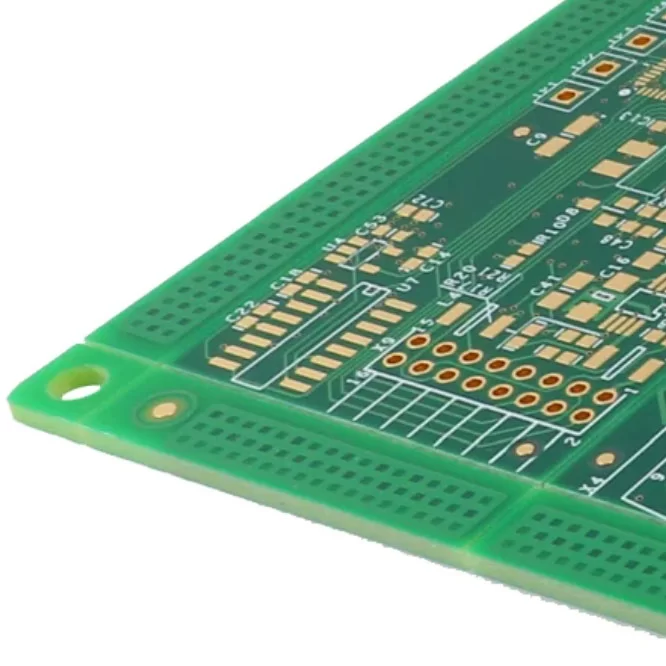
FR-4 stands out as one of the most versatile options. The composition of an FR-4 printed circuit board comprises a woven glass fabric reinforcement impregnated with a flame-retardant epoxy resin binder.

PCB type: Rigid PCB
Layer: Multi-layer
Base material: FR-4
Solder mask: Green
Silk screen: White
Surface treatment: HASL
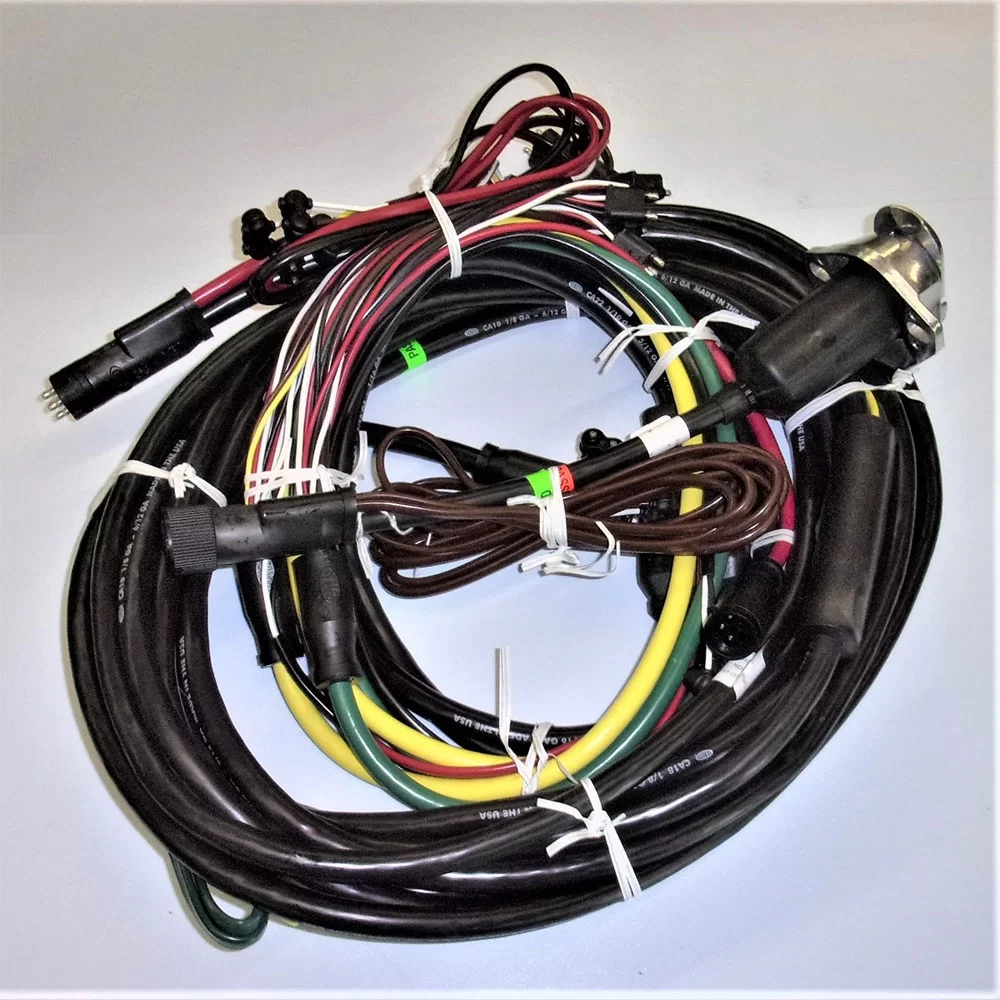
A truck wire harness is like the nervous system of a truck. It is a group of wires, connectors, and terminals that link all the electrical parts together.

If you have ever looked inside a computer, industrial controller, smartphone, or other electronic device, you have probably noticed the familiar green circuit board.

Printed Circuit Boards (PCBs) are manufactured in large quantities for applications ranging from consumer electronics and industrial equipment to automotive systems and communication devices.

Printed Circuit Boards (PCBs) are an essential part of almost every modern electronic device. From simple hobby projects and educational kits to industrial controllers, home appliances, automotive systems, and advanced control equipment, PCBs provide a stable platform for connecting and operating electronic components.


