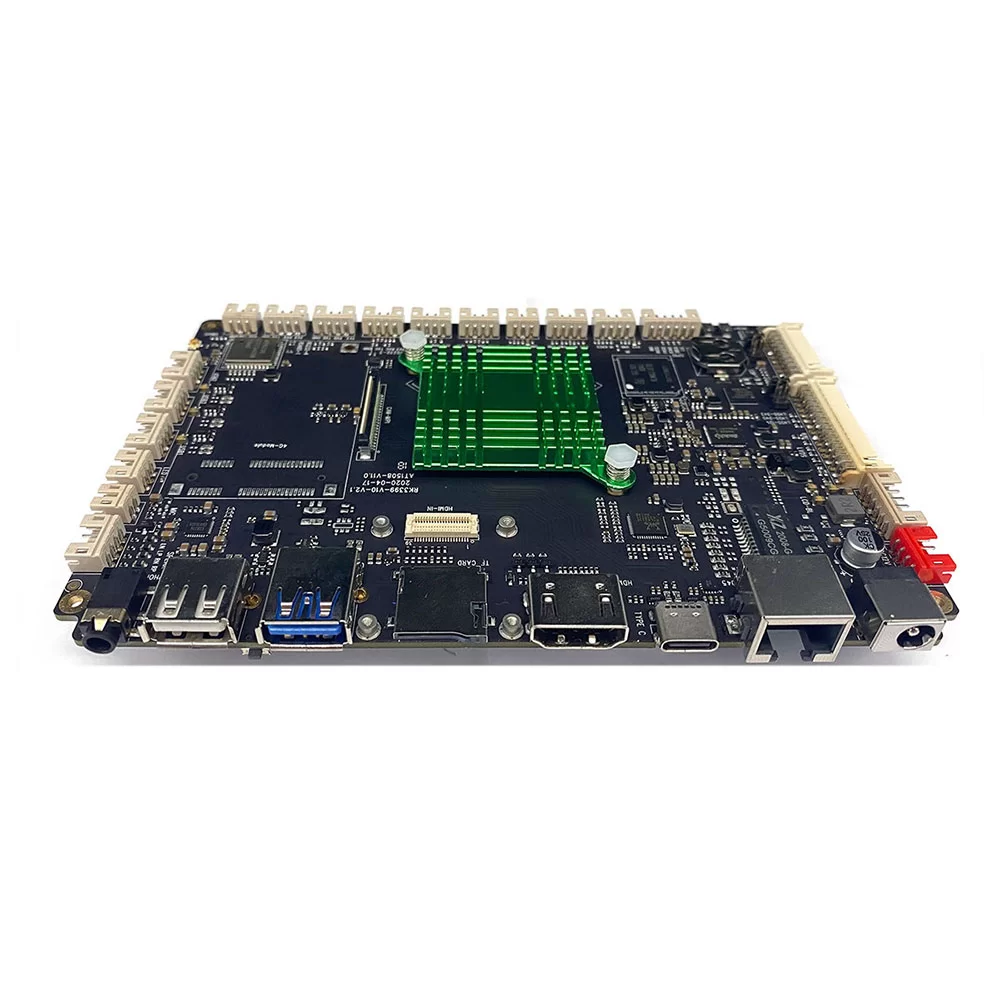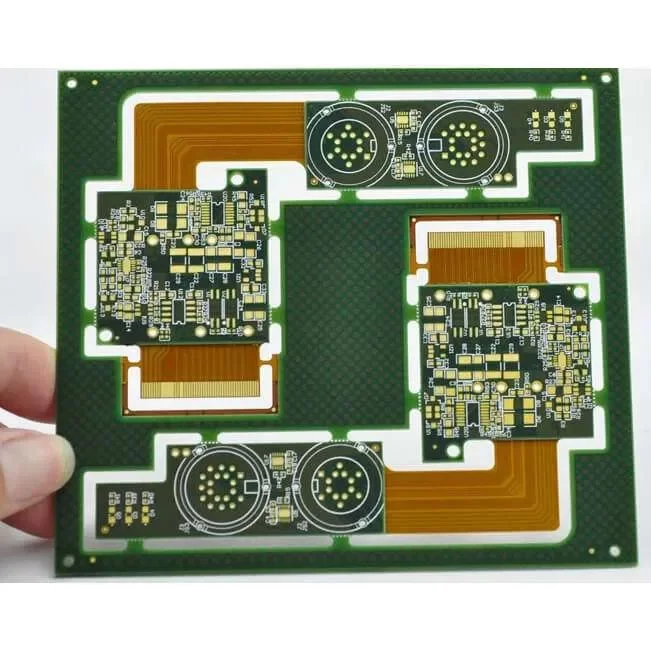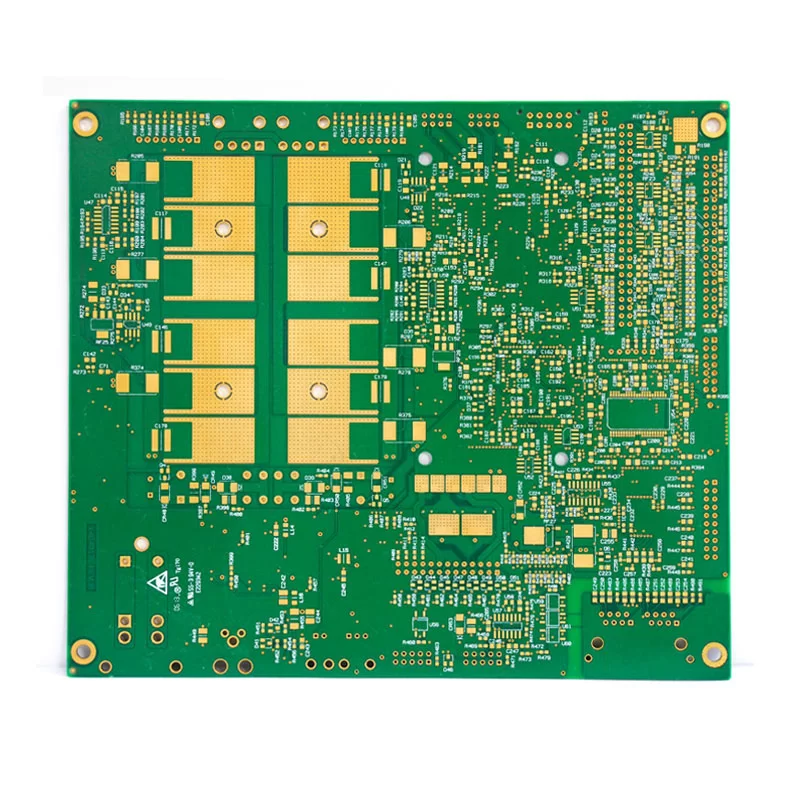
The Car Digital Display PCBA (Printed Circuit Board Assembly) is a highly specialized, reliable, and advanced electronic control solution meticulously designed for modern smart automotive accessories and interior convenience appliances. Engineered to meet rigorous automotive industry standards, this multi-layer rigid circuit board integrates precision temperature sensing, real-time data processing, and crisp liquid crystal visual outputs. It serves as the intelligent core for smart in-car devices, including car digital display thermos cups, intelligent cooling cups, and portable automotive refrigerator control boards.
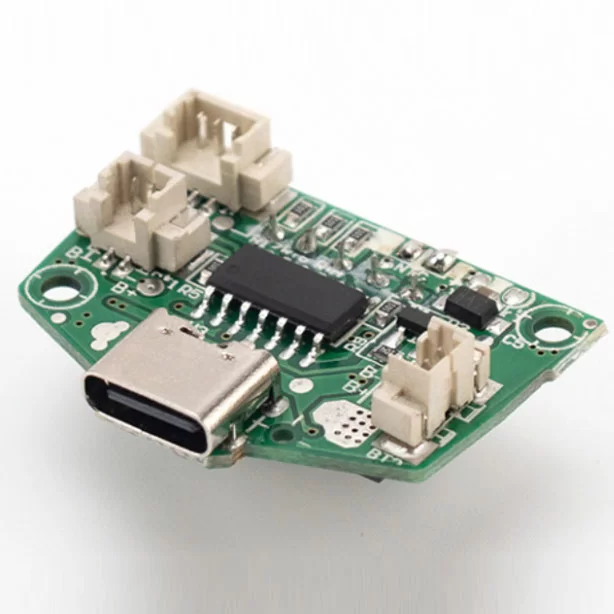
With the rapid evolution of automotive comfort and smart user experiences, drivers and passengers increasingly demand real-time feedback and precise digital controls while on the move. Our Car Digital Display PCBA bridges this gap by offering exceptional electrical performance, robust mechanical durability, and stable thermal management. Every unit is manufactured using premium raw materials and cutting-edge surface mounting technologies to ensure flawless operation under variable vehicle operating conditions.
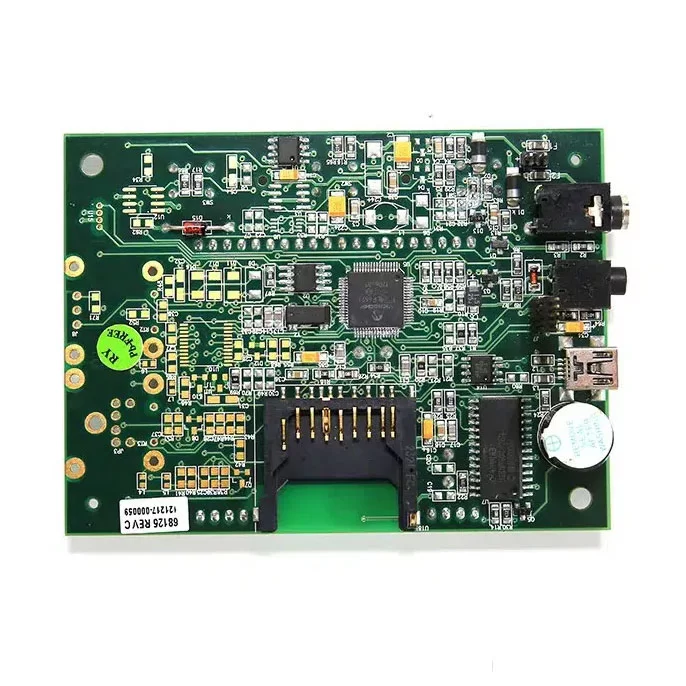
Built on a solid foundation of rigorous engineering guidelines, our printed circuit board assembly incorporates top-tier material configurations to guarantee longevity and safety:
PCB Type: Rigid PCB, ensuring structural stability and resistance to mechanical vibrations typical in automotive environments.
Layer Count: Multi-layer architecture, allowing for optimized signal routing, reduced electromagnetic interference (EMI), and compact component layout.
Base Material: High-grade FR-4 substrate, renowned for its superior mechanical strength, excellent electrical insulation properties, and dimensional stability.
Solder Mask: Vibrant Green solder mask providing clear visual contrast during inspection and reliable protection against solder bridging and environmental contaminants.
Silk Screen: High-definition White legend printing for clear component identification, polarity markings, and debugging references.
Surface Treatment: Lead-free HASL (Hot Air Solder Leveling), complying with international environmental directives (RoHS) while providing an excellent solderable flat surface.
To ensure optimal performance across diverse automotive settings, the PCBA is constructed using carefully selected insulating materials and processing technologies:
| Parameter Description | Engineering Capability |
|---|---|
| Insulating material | Organic resin |
| Insulation thickness | Conventional board specification |
| Flame retardant properties | VO board standard (high fire safety rating) |
| Processing technology | Electrolytic foil integration |
| Reinforcing material | Glass fiber cloth base for structural robustness |
| Insulating resin | Phenolic resin matrix for thermal and electrical resilience |
The seamless operation of smart automotive containers relies on a synchronized workflow executed by the PCBA's onboard architecture:
Temperature Sensing & Signal Acquisition: The system is equipped with a high-precision temperature sensor strategically positioned to detect the exact internal temperature of the insulated cup, cooling chamber, or refrigerator cavity. The sensor instantly captures thermal variations and converts this physical data into precise electrical signals.
Central Processing Unit (MCU): The onboard high-performance control chip acts as the "brain" of the device. It continuously receives, filters, and processes the raw electrical signals transmitted by the temperature sensor, translating analog values into accurate digital information ready for user visualization.
Real-Time Liquid Crystal Display (LCD): Driven by the processed output from the control chip, the integrated liquid crystal display provides an instant, clear, and real-time readout of the current temperature or operating status, allowing users to monitor conditions at a glance.
Due to its compact footprint, high processing reliability, and energy-efficient design, this PCBA is widely implemented across multiple high-demand automotive lifestyle applications:
Enables precise liquid temperature monitoring inside travel mugs and smart bottles, preventing accidental burns and ensuring beverages remain at the desired warmth.
Controls Peltier cooling elements and regulates active temperature drops for beverages, providing real-time cooling feedback on the digital screen.
Manages compressor cycles, internal cabinet temperature regulation, and user interface panels for portable automotive mini-fridges.
Every batch of our Car Digital Display PCBAs undergoes stringent quality control protocols, including Automated Optical Inspection (AOI), in-circuit testing (ICT), and thermal aging tests. We ensure that our circuit boards meet uncompromising standards for flame retardancy (V0 classification), electrical insulation, and soldering integrity. By combining robust materials with advanced surface mount technology (SMT) and through-hole assembly, we deliver durable, long-lasting electronic solutions tailored for global B2B industrial buyers, automotive accessory brands, and smart hardware manufacturers.
If you have any camping barbeque equipment inquiry, please feel free to contact us.
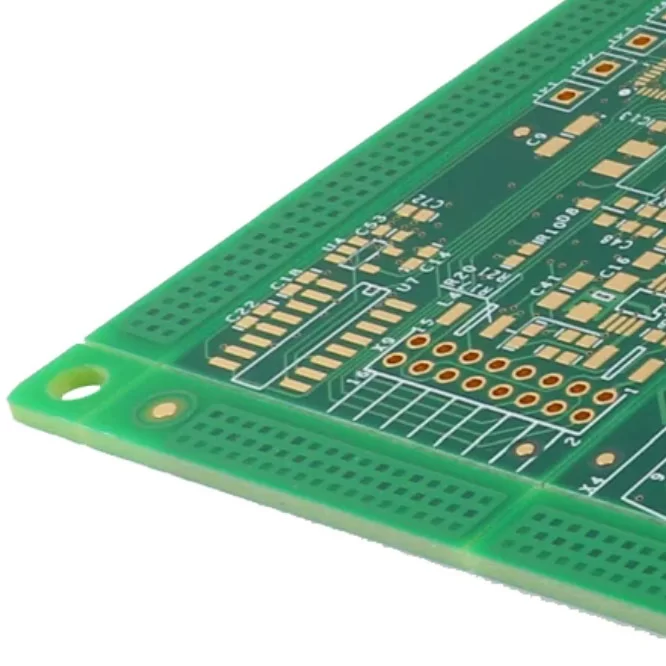
FR-4 stands out as one of the most versatile options. The composition of an FR-4 printed circuit board comprises a woven glass fabric reinforcement impregnated with a flame-retardant epoxy resin binder.
PCB type: Rigid PCB
Layer: Multi-layer
Base material: FR-4
Solder mask: Green
Silk screen: White
Surface treatment: HASL
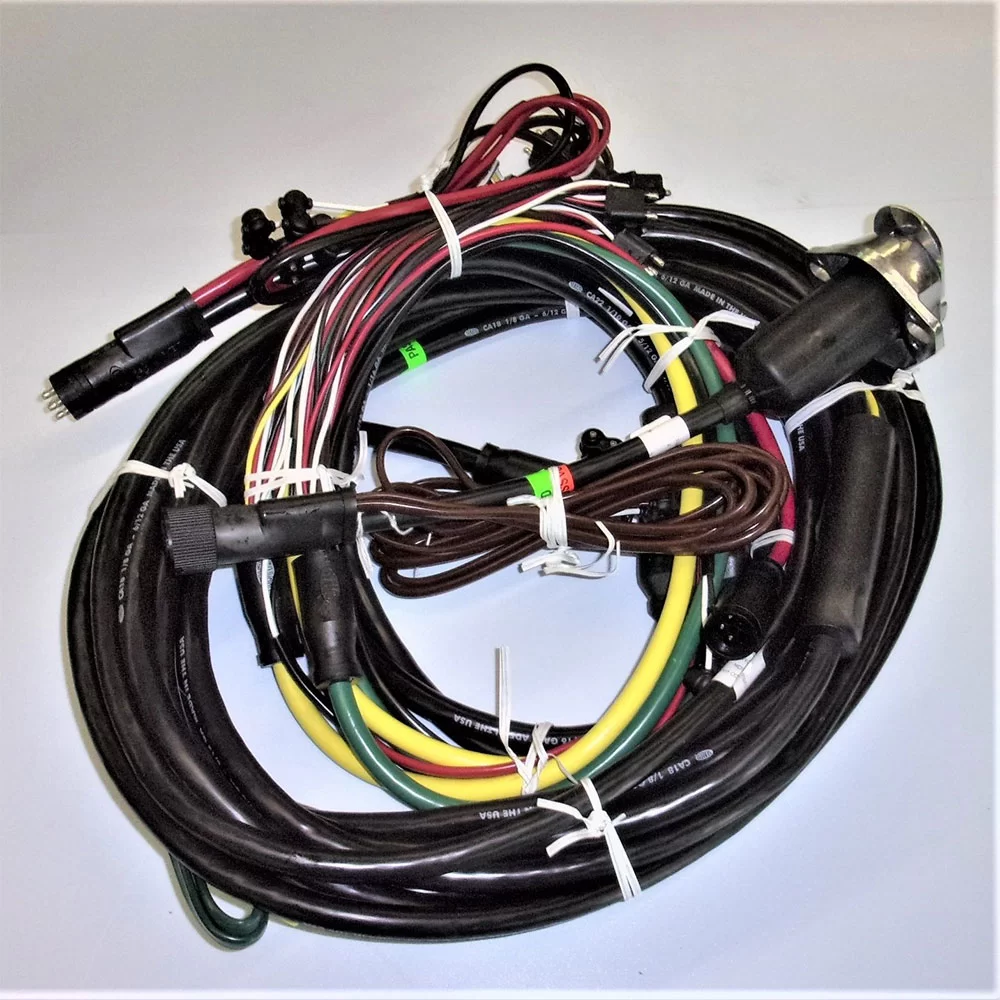
A truck wire harness is like the nervous system of a truck. It is a group of wires, connectors, and terminals that link all the electrical parts together.
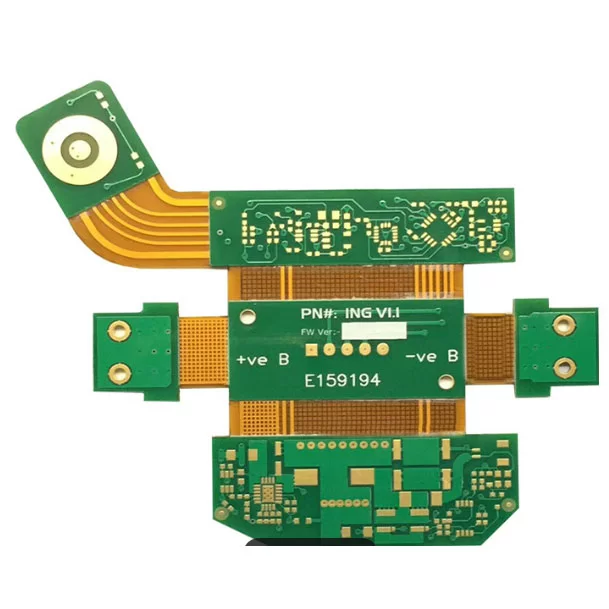
Printed Circuit Boards (PCBs) are at the heart of almost every electronic device we use today. From consumer electronics and industrial control systems to robotics, automotive electronics, and IoT products, PCBs provide the electrical connections and mechanical support that allow electronic components to work together efficiently. While many beginners start building circuits on breadboards for quick prototyping, those temporary setups quickly become difficult to manage as projects grow in size and complexity.
Printed Circuit Boards (PCBs) serve as the foundation of almost every electronic device. Whether used in consumer electronics, industrial automation, automotive systems, telecommunications, or medical equipment, a PCB must operate reliably before it can be integrated into a finished product.
Capacitors are among the most common and important components found on Printed Circuit Boards (PCBs).