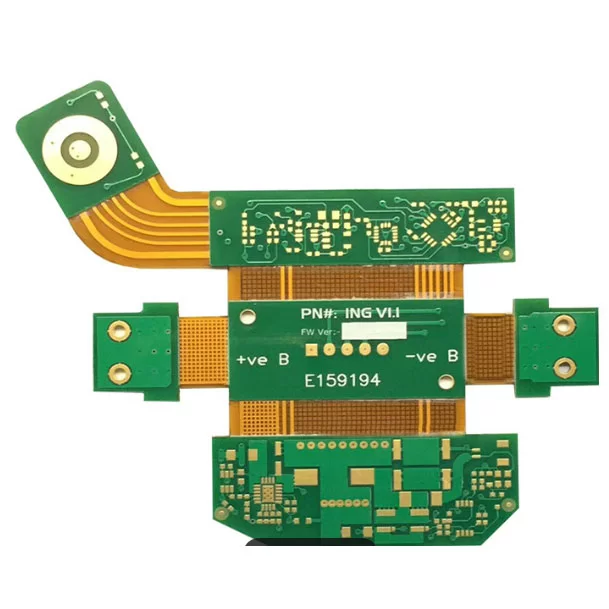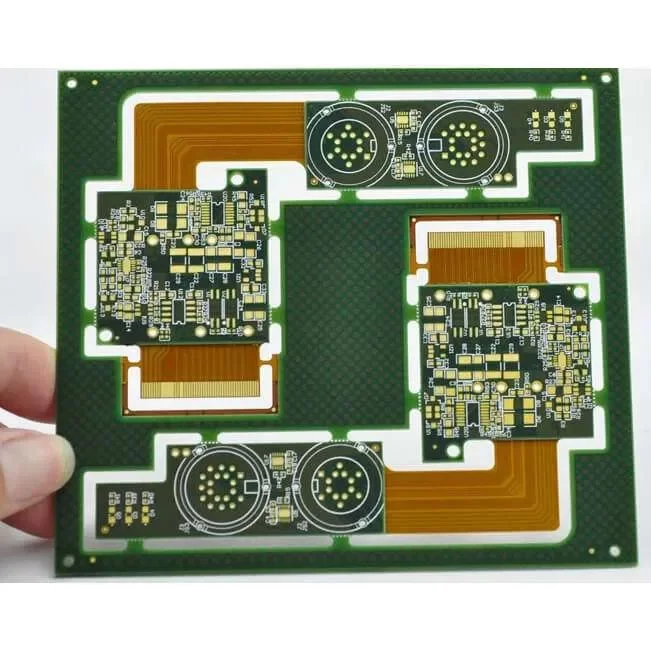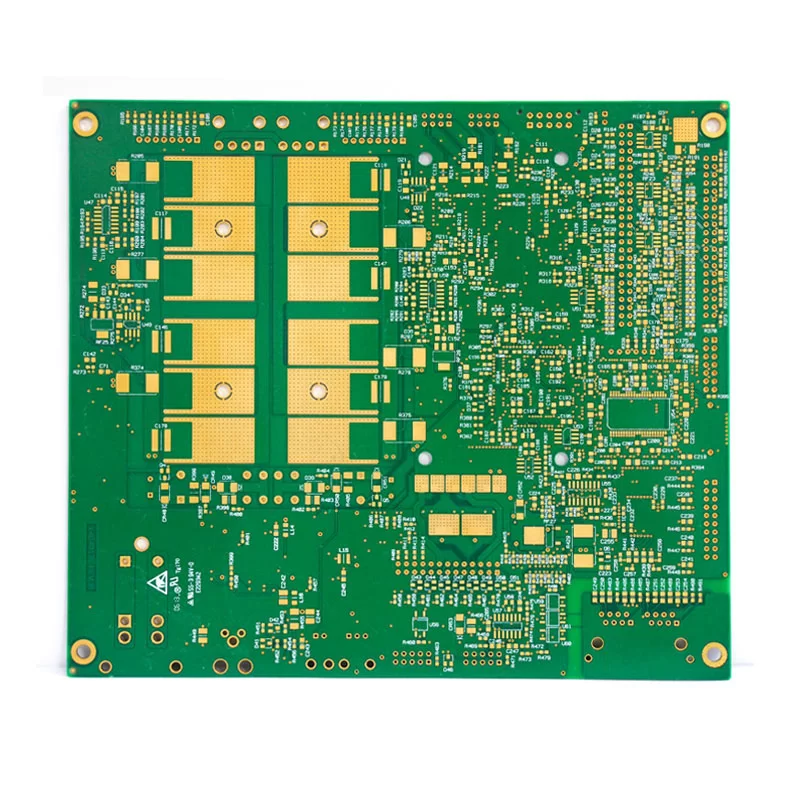
IoT PCB Assembly
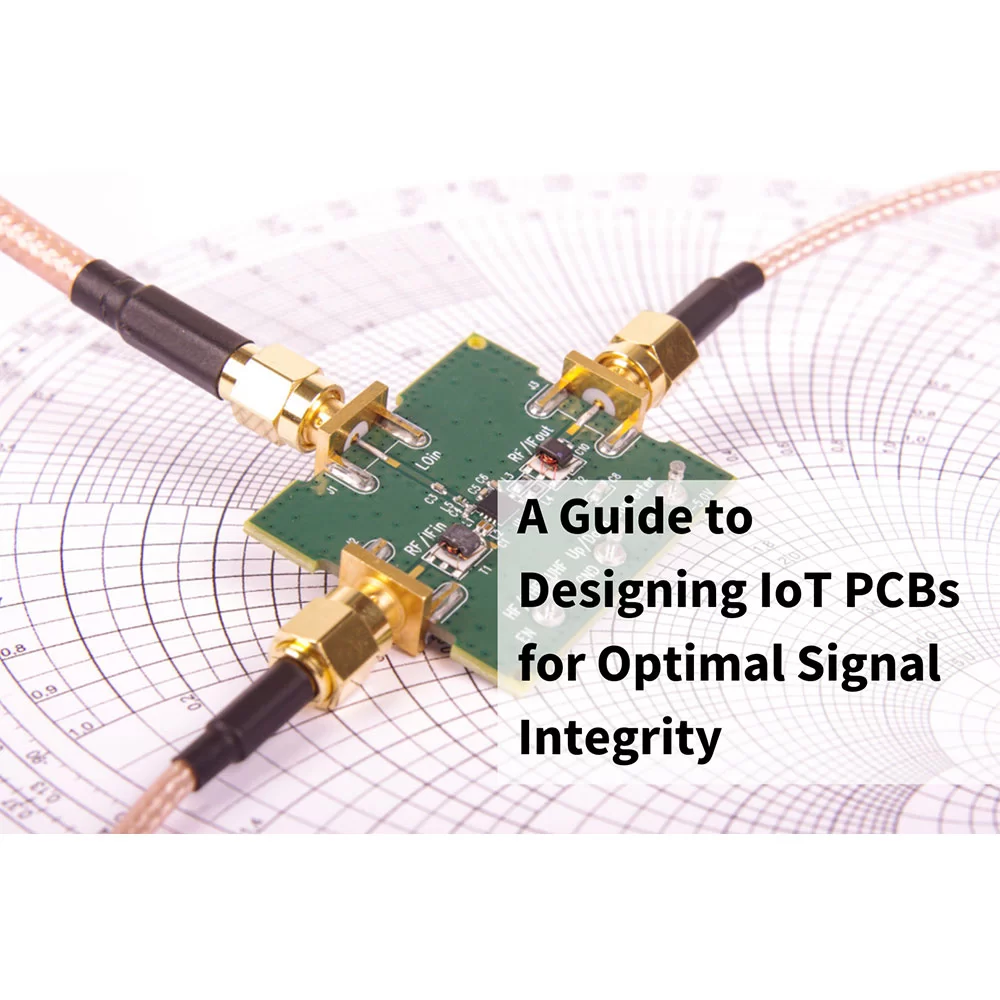
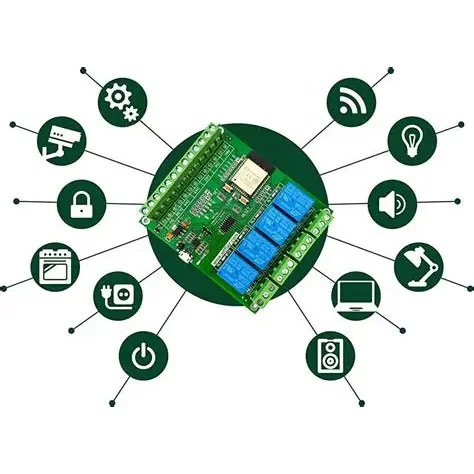
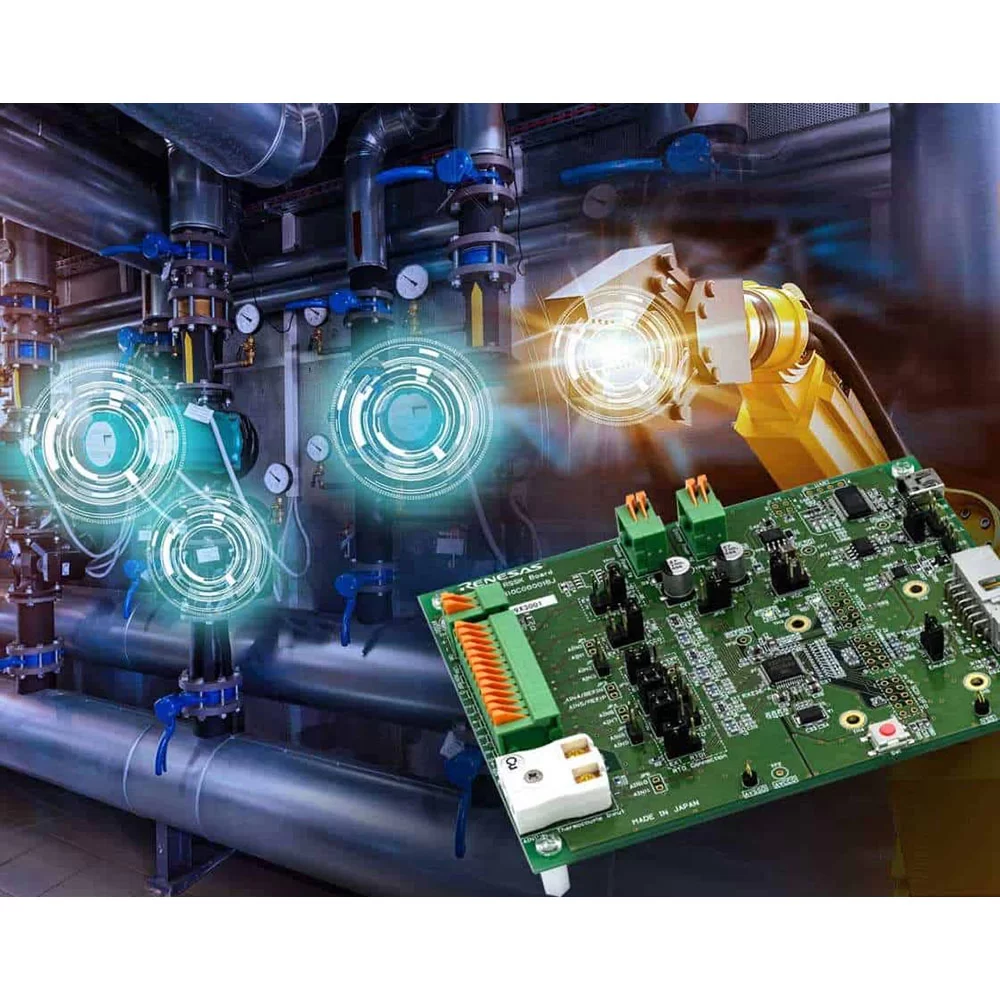
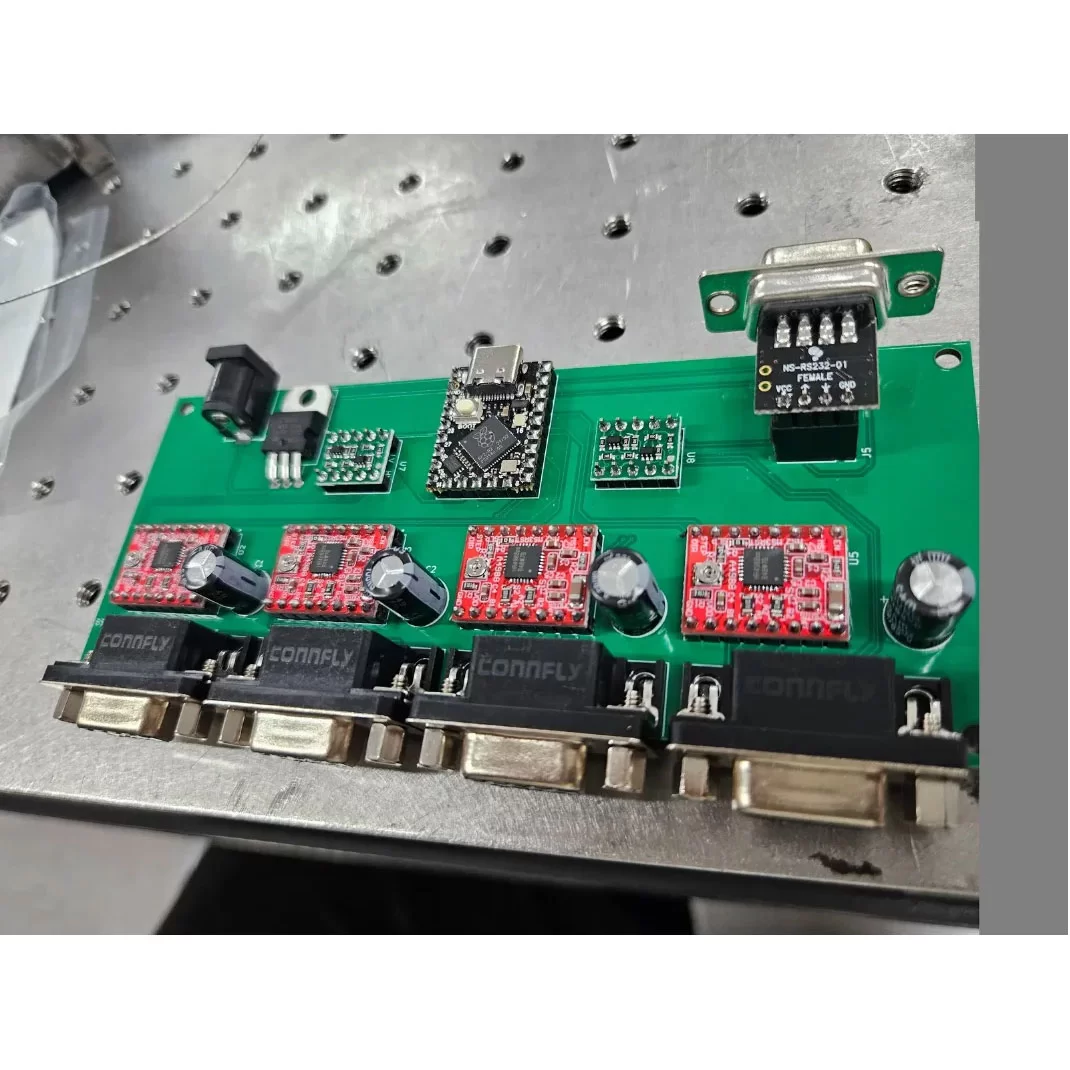
About the IoT PCB assembly
Internet of Things (IoT) refers to various devices and technologies such as various information sensors, radio frequency identification technology, global positioning system, infrared sensor, laser scanner, etc. Objects or processes collect a variety of information, light, heat, electricity, mechanics, chemistry, biology, location and other needs. Through various possible network access, the general connection between things, things, and people. Realize intelligent perception, identification and management of items and processes.
In the era of the Internet of Things, the core component of control must be controlled if it is connected to objects. This core is a printed circuit board. PCB plays a key role in IoT devices. The Internet of Things and PCB technology are developing at the same time, and the Internet of Things is leading to a paradigm change in PCB design and manufacturing.
Key aspects of IoT PCB assembly
Miniaturization: IoT devices often have small form factors and compact designs to fit seamlessly into various environments. PCB assembly for IoT requires miniaturization techniques, such as surface mount technology (SMT), small-sized components, and multi-layer PCBs to achieve smaller and more lightweight IoT devices.
Wireless Connectivity: IoT devices rely on wireless connectivity to communicate with other devices and the internet. PCB assemblies in IoT often incorporate wireless communication modules such as Wi-Fi, Bluetooth, Zigbee, cellular connectivity (2G, 3G, 4G, or 5G), or low-power wide-area network (LPWAN) technologies like LoRaWAN or NB-IoT.
- Sensor Integration: IoT devices are equipped with various sensors to gather data from the physical environment. PCB assemblies in IoT incorporate sensor interfaces and circuits to connect and integrate sensors such as temperature sensors, humidity sensors, motion sensors, light sensors, and more.
- Power Efficiency: IoT devices are often battery-powered or designed for low-power operation to ensure extended battery life and energy efficiency. PCB assemblies in IoT incorporate power management techniques, such as power regulators, energy harvesting components, and low-power microcontrollers, to optimize power consumption and extend battery life.
- Data Processing and Control: IoT devices require processing capabilities to analyze and process the data collected from sensors. PCB assemblies in IoT often include microcontrollers or system-on-chip (SoC) components with integrated processing power, memory, and interfaces for data processing and control functions.
- Security: Security is a crucial aspect of IoT devices to protect data and ensure privacy. PCB assemblies in IoT may incorporate security features like secure elements, encryption algorithms, or tamper detection circuits to enhance the security of the device and its communications.
- Cloud Connectivity: IoT devices often send data to cloud platforms for storage, analysis, and remote monitoring. PCB assemblies in IoT may include cloud connectivity options like MQTT (Message Queuing Telemetry Transport) or other protocols to enable seamless data transmission to cloud services.
- Integration with Edge Computing: In certain IoT applications, data processing and analysis are performed locally at the device level, known as edge computing. PCB assemblies in IoT may incorporate edge computing capabilities through the integration of processing units and algorithms, enabling real-time data analysis and decision-making at the device itself.
If you have any camping barbeque equipment inquiry, please feel free to contact us.
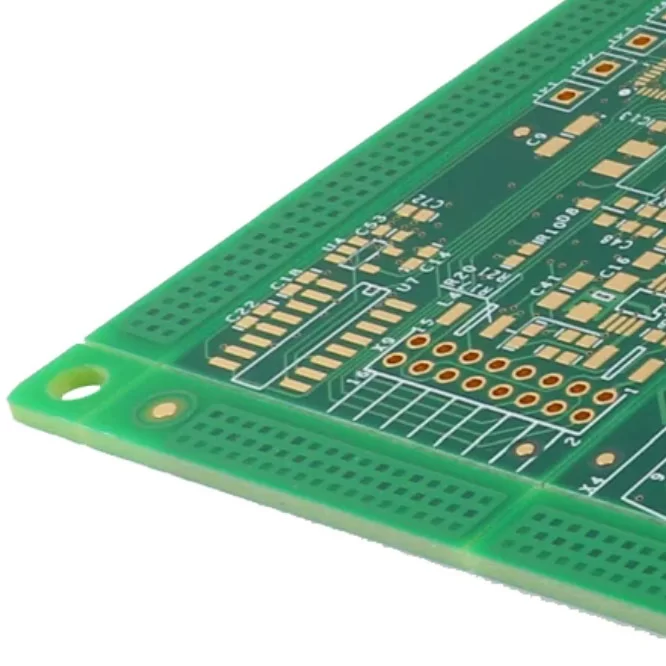
FR-4 stands out as one of the most versatile options. The composition of an FR-4 printed circuit board comprises a woven glass fabric reinforcement impregnated with a flame-retardant epoxy resin binder.
-20251124061922.webp "New Energy Vehicle Charging Pile PCBA")
PCB type: Rigid PCB
Layer: Multi-layer
Base material: FR-4
Solder mask: Green
Silk screen: White
Surface treatment: HASL
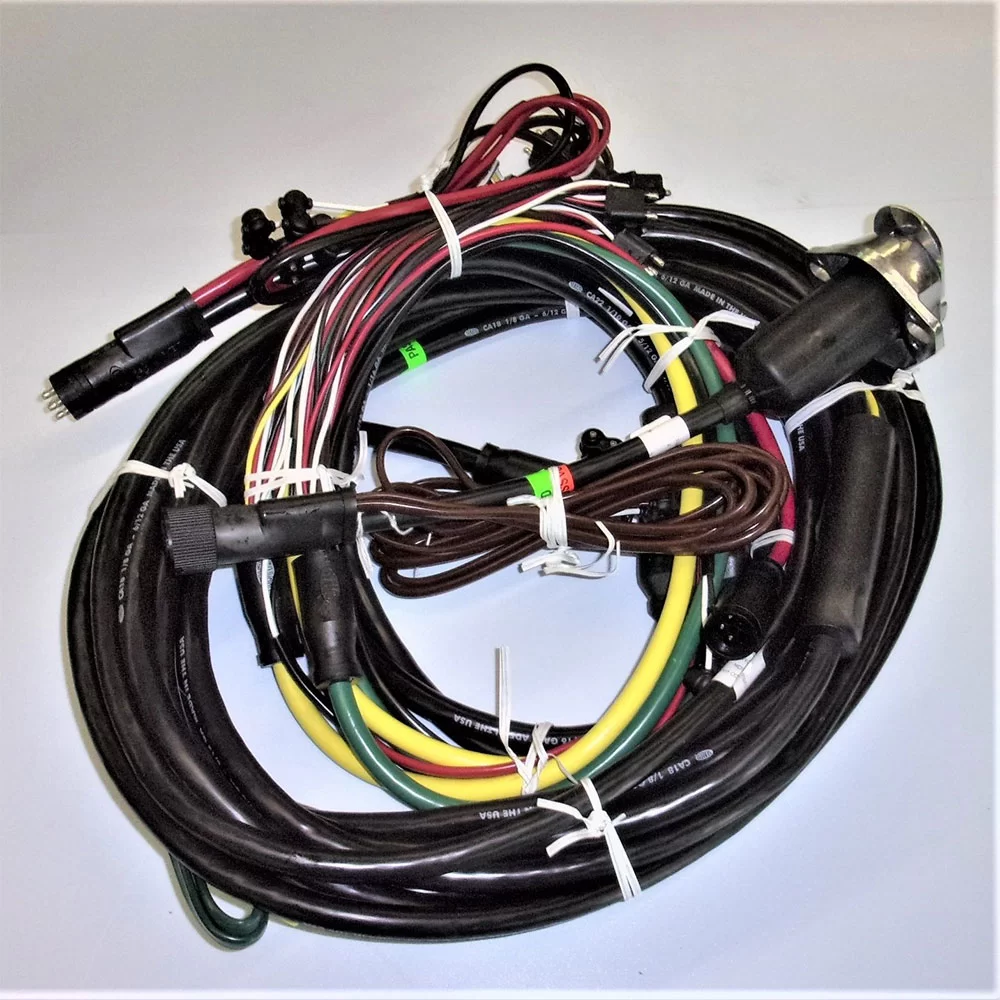
A truck wire harness is like the nervous system of a truck. It is a group of wires, connectors, and terminals that link all the electrical parts together.