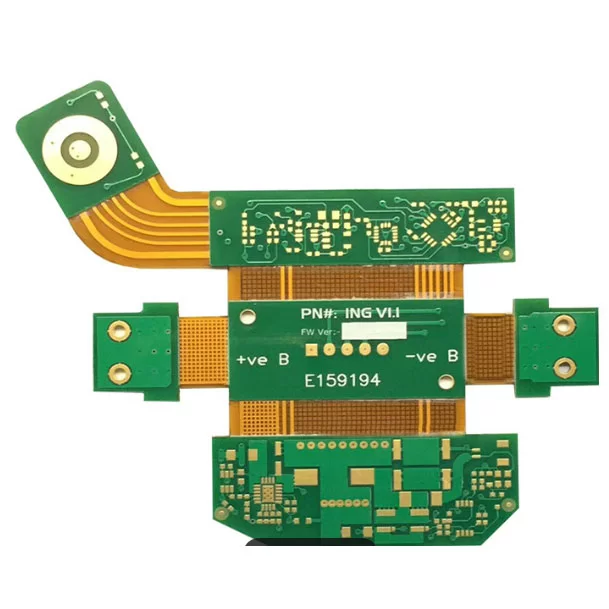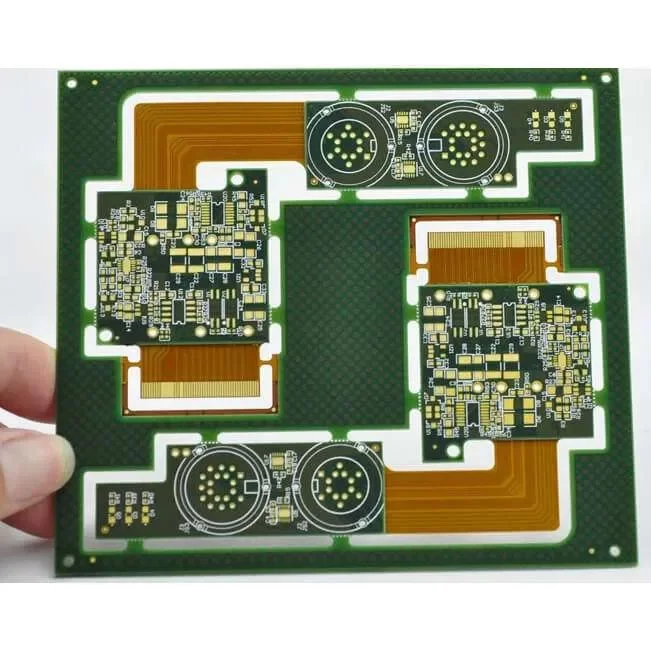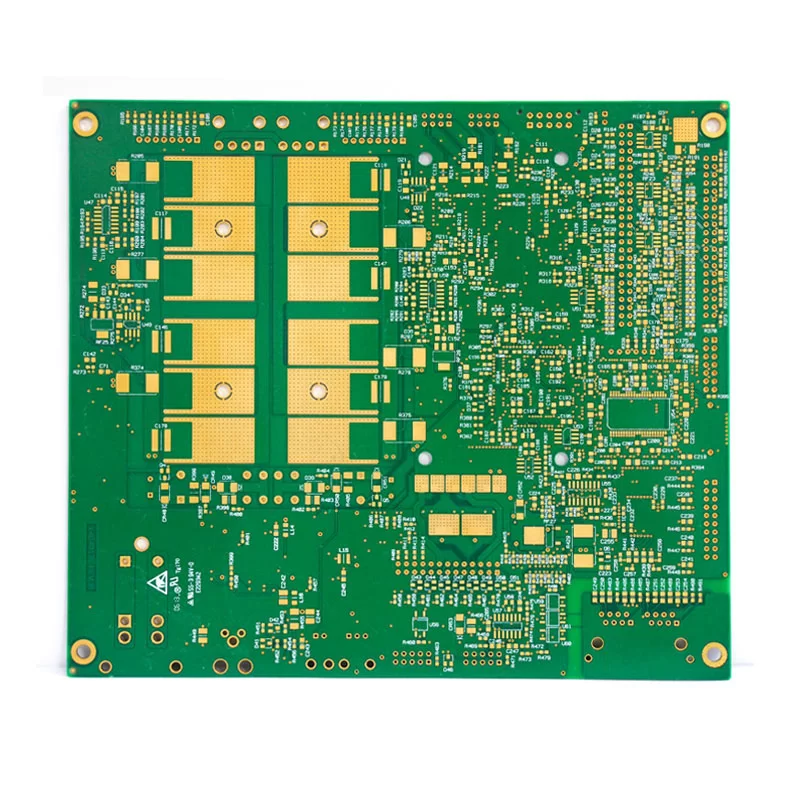
Ceramic Substrate PCBs
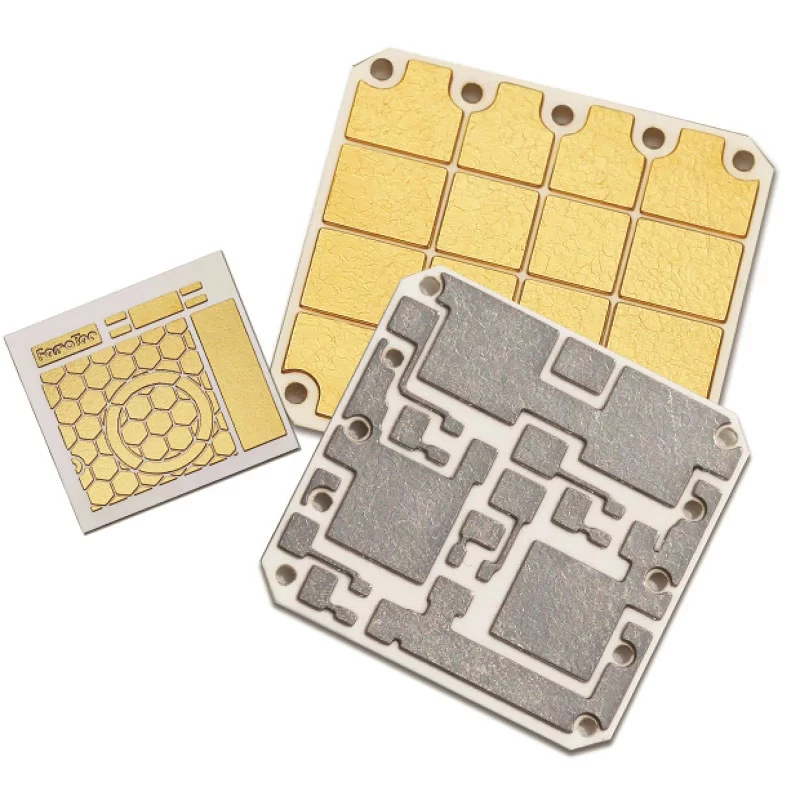
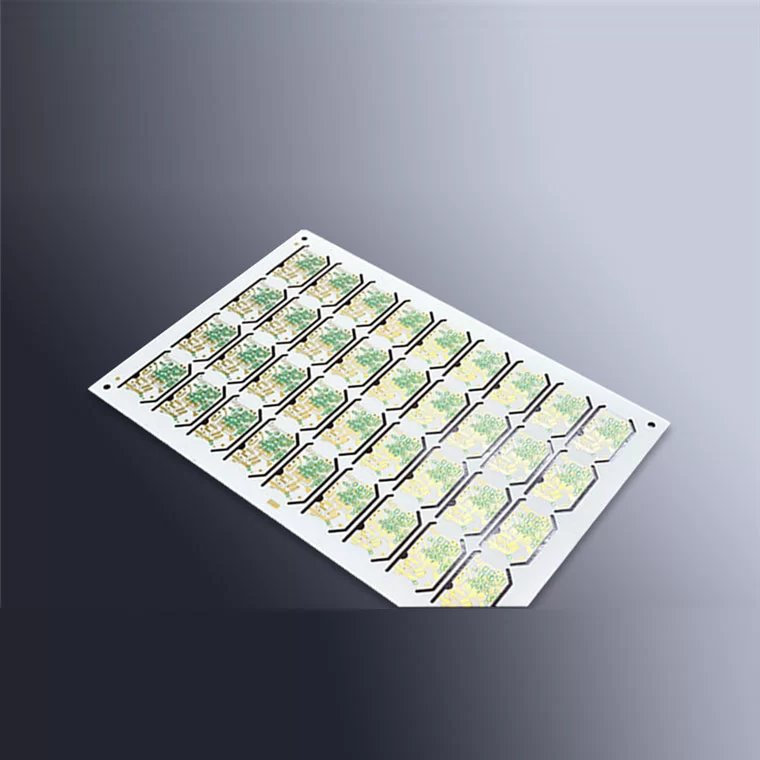
What's Ceramic PCB?
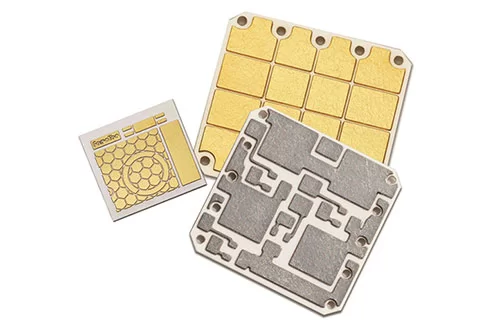
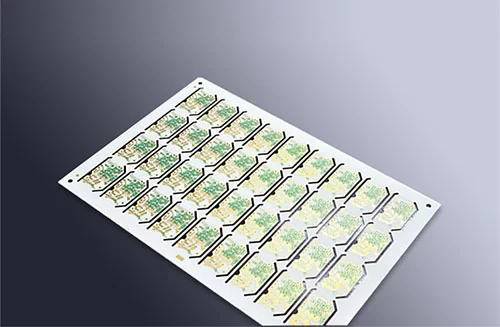
Ceramic PCB substrate refers to a special process board with copper foil directly bonded to the surface (single or double sides) of alumina (Al2O3) or aluminum nitride (AlN) ceramic PCB substrate at high temperatures. They are sensitive to CTE (coefficient of thermal expansion) and can withstand higher temperatures. The manufactured ultra-thin composite substrate has excellent electrical insulation, high thermal conductivity, excellent solderability and high adhesion strength, and can etch various patterns, so it has great current carrying capacity.
Benefits
High Thermal Conductivity
Compared with traditional PCB materials, FR4 ceramic PCBs (ceramic substrate PCBs) offer excellent thermal conductivity, thanks to their aluminum-based substrates (aluminum oxide or aluminum nitride).
Excellent Electrical Insulation
Ceramic core PCBs provide superior electrical insulation—critical for preventing short circuits and maintaining signal integrity, making them suitable for high-voltage or high-frequency circuits.
- Chemical Resistance & Environmental DurabilityCeramic PCBs boast strong resistance to chemicals, moisture, and other environmental elements. This durability makes them ideal for applications in harsh conditions, including outdoor equipment, chemical processing industries, and aerospace.
Are you onthe lookout for a good memory foam mattress that combines comfort and quality?
Memory modules, e.g. RAM
Photovoltaic panel
LED lamp PCB
Aerospace and aeronautics
Biological ceramic material
Metal industry
If you have any camping barbeque equipment inquiry, please feel free to contact us.
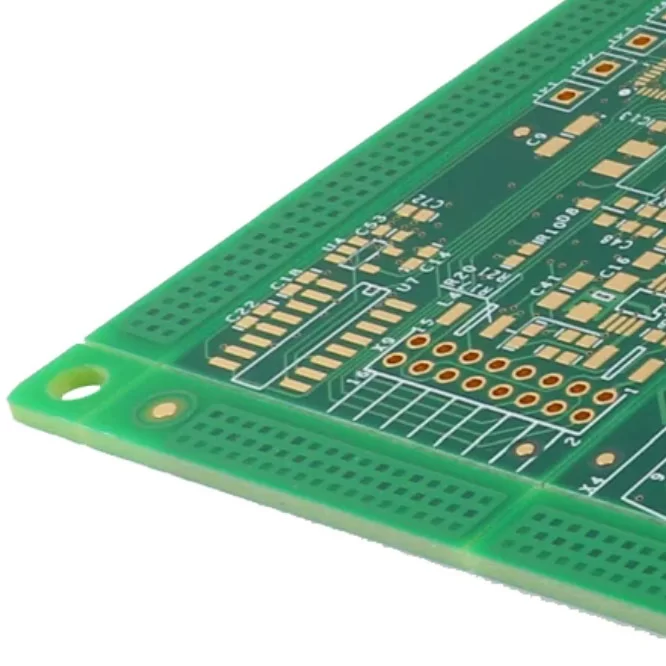
FR-4 stands out as one of the most versatile options. The composition of an FR-4 printed circuit board comprises a woven glass fabric reinforcement impregnated with a flame-retardant epoxy resin binder.
-20251124061922.webp "New Energy Vehicle Charging Pile PCBA")
PCB type: Rigid PCB
Layer: Multi-layer
Base material: FR-4
Solder mask: Green
Silk screen: White
Surface treatment: HASL
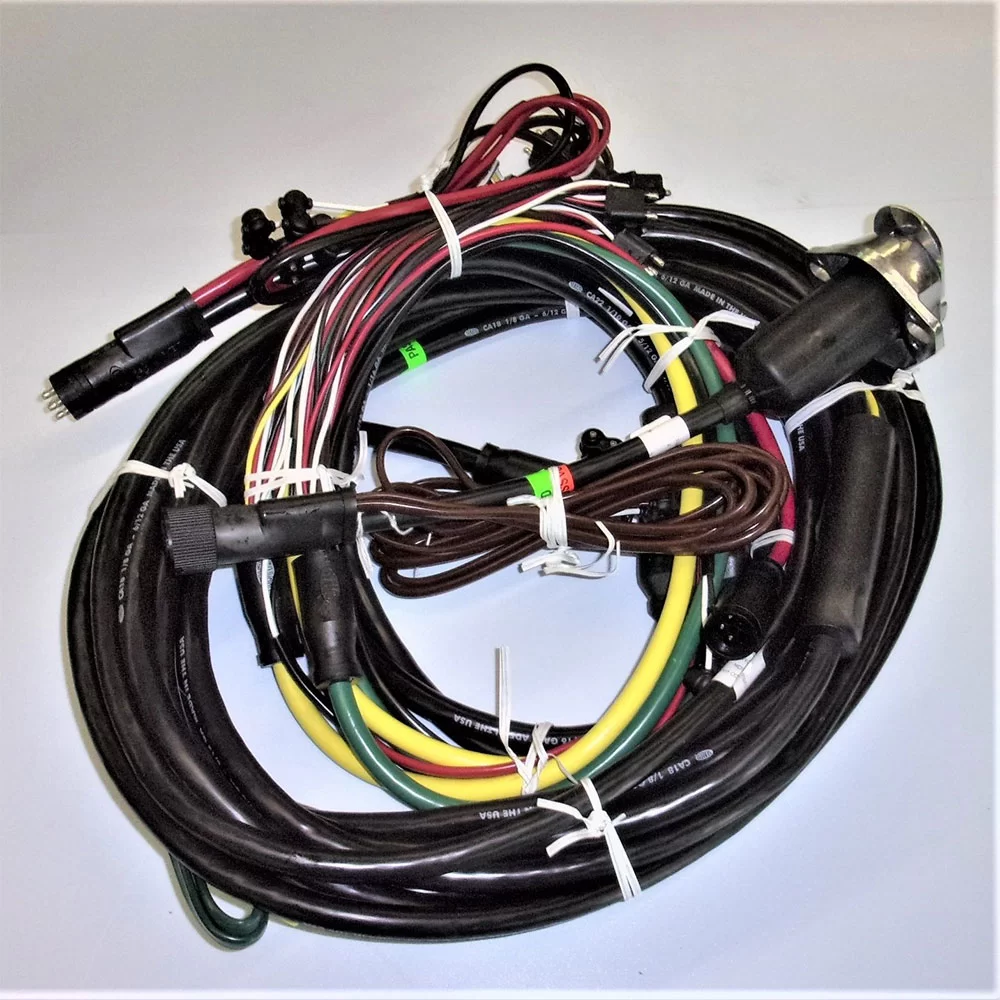
A truck wire harness is like the nervous system of a truck. It is a group of wires, connectors, and terminals that link all the electrical parts together.