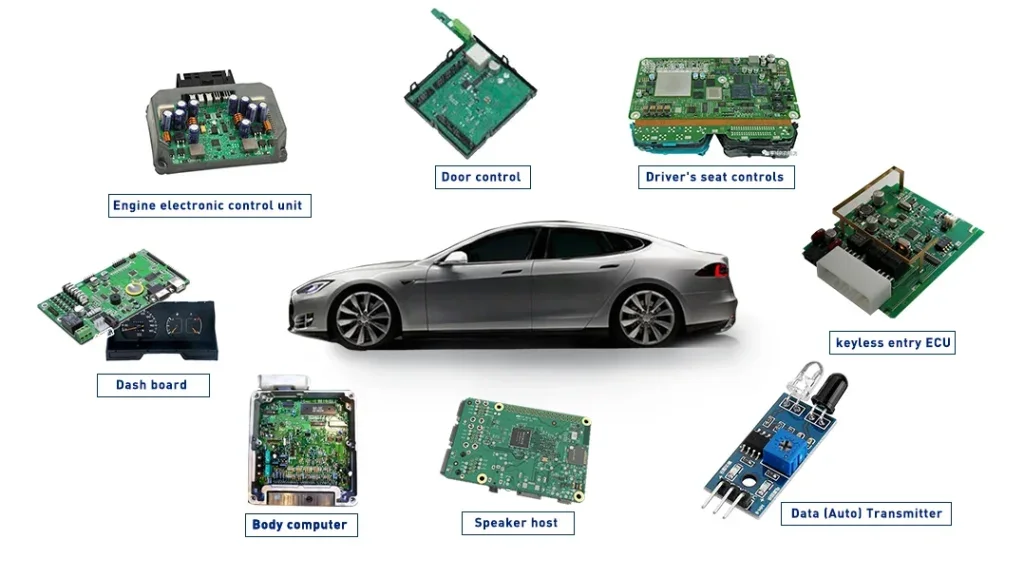
In the modern era of transportation, a motor vehicle is no longer just a mechanical machine powered by an internal combustion engine; it has evolved into a sophisticated "computer-on-wheels." The backbone of this digital transformation is the automotive pcb (Automotive Printed Circuit Board). From managing engine efficiency to powering the complex sensors required for autonomous driving, automotive electronics pcb solutions are the silent architects of vehicle safety, performance, and connectivity.
What is an Automotive PCB?
An automotive pcb is a specialized circuit board engineered to support electronic components within the high-stress environment of a motor vehicle. Unlike standard consumer electronics, an automotive electronics pcb must maintain total functionality while subjected to extreme thermal shocks, intense mechanical vibrations, and constant exposure to corrosive substances like oil, fuel, and moisture.
Because vehicle failure can result in life-threatening situations, these boards are held to a "zero-defect" standard, ensuring that critical systems—such as braking and airbag deployment—operate flawlessly over a lifespan of 15 years or more.
Types of Automotive PCBs
Depending on the specific functionality and placement within the vehicle, automotive pcb manufacturers utilize several different board configurations:
1. Rigid PCBs
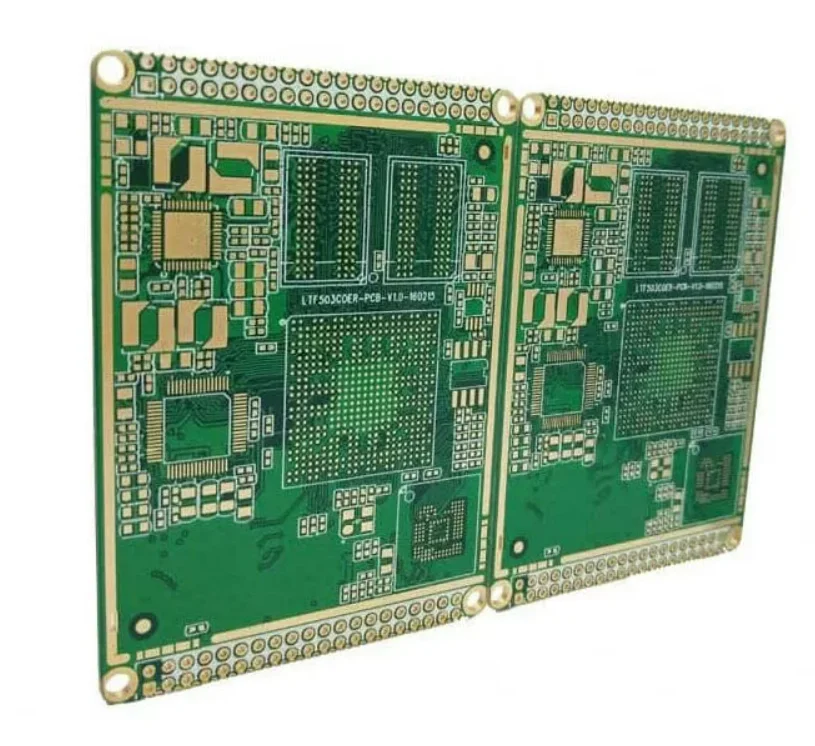
These are the traditional, non-flexible boards used in areas where the PCB will not be subjected to bending. They are commonly found in automotive instrument pcb clusters and infotainment systems.
2. Flexible and Rigid-Flex PCBs
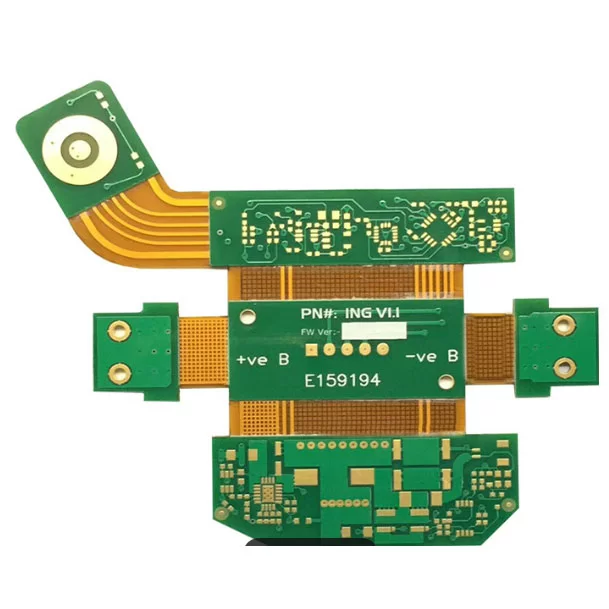
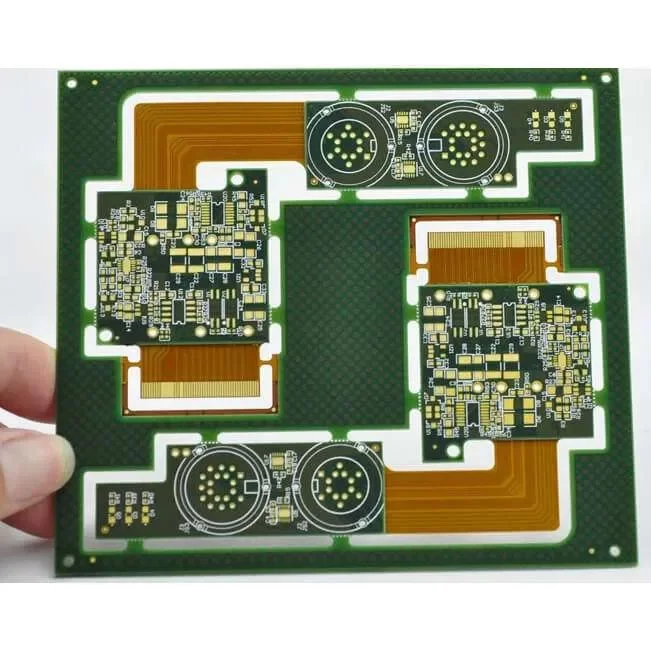
Space is at a premium in modern vehicle design. Flexible PCBs allow for circuitry in tight, irregular spaces like door panels or behind curved dashboards. Rigid-flex PCBs combine the best of both worlds, providing the durability of a rigid board with the space-saving adaptability of flexible layers, often used in complex sensor arrays.
3. High-Density Interconnector (HDI) Boards
As vehicles become "smarter," they require more processing power in smaller footprints. HDI technology uses micro-vias and fine-line routing to support complicated systems like GPS navigation and Advanced Driver Assistance Systems (ADAS).
4. Metal Core PCBs (MCPCB)
Heat dissipation is a major concern in automotive lighting and power conversion. Metal core boards, typically featuring an aluminum base, are essential for cooling high-intensity LEDs and power converters.
Automotive PCB Design Requirements and Properties
When embarking on custom pcb design for automotive applications, engineers must adopt a "safety-first" mindset. The following properties are non-negotiable:
Thermal Management: Power electronics in EVs and engine control units generate significant heat. Designers utilize thermal vias, heavy copper traces, and integrated heat sinks to prevent component failure.
Vibration Resistance: Constant road vibration and engine harmonics can lead to mechanical fatigue and cracked solder joints. Components must be strategically placed and secured using advanced soldering techniques to ensure long-term integrity.
EMI/EMC Shielding: With dozens of microprocessors communicating simultaneously, Electromagnetic Interference (EMI) can wreak havoc on safety sensors. Proper grounding and shielding are vital to ensure signal integrity.
Trace Width and Spacing: Following standards like IPC-2152, designers must precisely calculate trace dimensions to handle high current loads without overheating.
Automotive PCB Standards, Certificates, and Quality Control
In the world of automotive pcb assembly, quality is a legal mandate. Reputable manufacturers must adhere to strict global certifications:
IATF 16949: The gold standard for quality management systems in the automotive industry.
ISO 26262: Focuses on functional safety, ensuring that electronic systems do not cause hazards in the event of a failure.
IPC-6012DA: An addendum to the general PCB performance standard specifically tailored for automotive applications.
AEC-Q100/Q200: Stress qualification tests for integrated circuits and passive components to ensure they can survive the automotive environment.
The Automotive PCB Manufacturing Process
The production of an automotive pcb involves a series of high-precision steps:
Material Selection: Manufacturers choose high-Tg (Glass Transition Temperature) materials to ensure the board does not warp or lose structural integrity under extreme heat.
Imaging and Etching: Copper pathways are created with microscopic precision to support high-speed data transmission.
Lamination: Multiple layers are bonded under intense heat and pressure to create a robust "sandwich" capable of resisting delamination.
Surface Finishing: Finishes such as ENIG (Electroless Nickel Immersion Gold) are preferred for their superior oxidation resistance and reliable soldering surface.
Rigorous Testing: Every board undergoes Automated Optical Inspection (AOI) and In-Circuit Testing (ICT) to ensure a zero-defect output.
Applications of Automotive PCBs
The versatility of the automotive pcb is evident in every corner of the vehicle:
Power Train and ECU: PCBs manage fuel injection, transmission timing, and engine diagnostics to maximize efficiency and reduce emissions.
Safety Systems: This includes the rapid-response circuitry required for Airbags, Anti-lock Braking Systems (ABS), and lane-assist sensors.
Automotive Instrument PCB: Digital dashboards and head-up displays rely on high-resolution boards to provide real-time data to the driver.
Infotainment and Connectivity: Facilitating Bluetooth, Wi-Fi, and GPS navigation requires high-frequency signal integrity.
Electric Vehicles (EV/HEV): The "hallmark" of modern PCB tech, where boards manage the Battery Management System (BMS) and high-voltage DC/DC converters.
Benefits of Specialized Automotive PCB Production
The shift toward autonomous driving and electrification has highlighted the unique advantages of dedicated automotive circuitry:
Reliability in Extreme Conditions: High-quality production ensures that steering and braking remain functional despite 100°C engine temperatures or sub-zero winters.
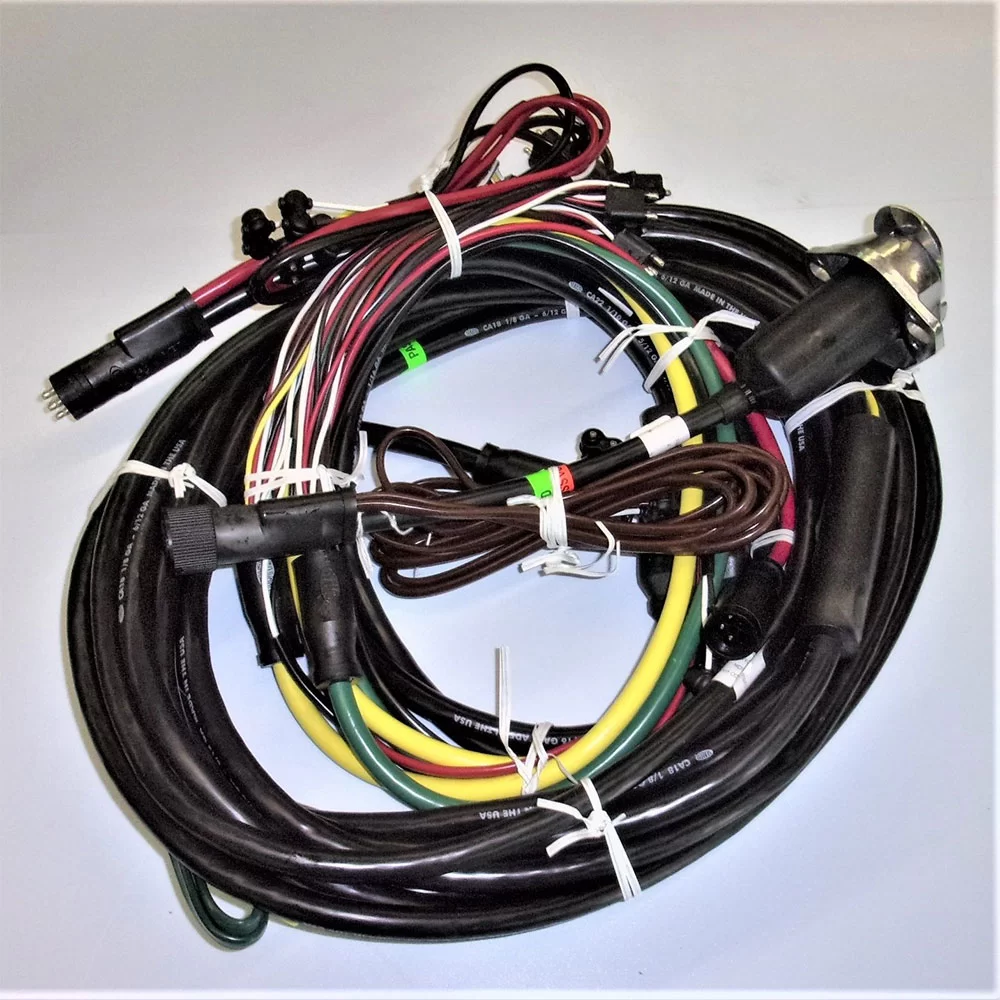
Weight Reduction: By replacing heavy wire harnesses with lightweight automotive double sided pcb or rigid-flex designs, manufacturers can extend the range of electric vehicles.
Advanced ADAS Integration: High-frequency boards enable the seamless integration of LiDAR and RADAR, making features like emergency braking and adaptive cruise control possible.
Miniaturization: HDI technology allows manufacturers to pack more sensors and safety features into smaller spaces, improving vehicle aesthetics and aerodynamics.
Future Trends and Challenges in Automotive PCB Production
As we look toward 2030 and beyond, the automotive pcb industry faces both exciting trends and daunting challenges:
The Rise of High-Voltage PCBs: With EVs moving toward 800V architectures for ultra-fast charging, PCBs must handle much higher voltages and currents, requiring thicker copper and advanced insulation.
Data Processing at the Edge: Autonomous vehicles generate terabytes of data. Future PCBs will need even higher signal integrity to process sensor data in real-time without latency.
Sustainability: Manufacturers are increasingly looking for recyclable substrates and lead-free processes to meet global environmental regulations.
Conclusion
The automotive pcb is the engine driving the future of mobility. As vehicles become more autonomous and electrified, the demand for high-reliability automotive electronics pcb solutions will only continue to accelerate. Choosing the right partner for automotive pcb assembly and design is not just a business decision; it is a commitment to the safety and innovation of the next generation of road vehicles.
-20251124061922.webp "New Energy Vehicle Charging Pile PCBA")