PCB Unpacking and Storage
1. If the PCB board is sealed and not unpacked, it can be used directly on the production line within 2 months of the manufacturing date.
2. If the PCB board is unpacked within 2 months of the manufacturing date, the unpacking date must be marked.
3. If the PCB board is unpacked within 2 months of the manufacturing date, it must be used up within 5 days after unpacking.
PCB Baking
1. If the PCB board is sealed and unpacked for more than 5 days within 2 months of the manufacturing date, please bake it at 120±5℃ for 1 hour
2. If the PCB board exceeds the manufacturing date by 2 months, please bake it at 120±5℃ for 1 hour before use.
3. If the PCB board exceeds the manufacturing date by 2 to 6 months, please bake it at 120±5℃ for 2 hours before use.
4. If the PCB board exceeds the manufacturing date by 6 months to 1 year, please bake it at 120±5℃ for 4 hours before use.
5. The baked PCB board must be used up within 5 days (put into IRREFLOW), or it needs to be baked for another hour before use.
6. If the PCB board exceeds the manufacturing date by 1 year, please bake it at 120±5℃ for 4 hours, and then spray tin again by the PCB factory before use.
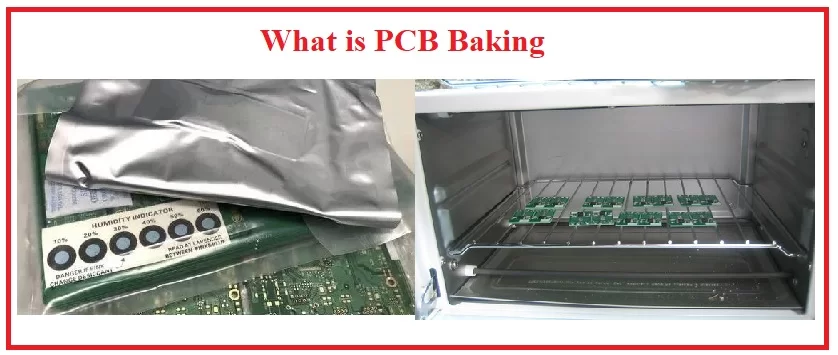
PCB Baking Method
1. For large PCBs (including 16PORT or above), they should be placed flat, with a maximum of 30 pieces per stack. After baking, the oven should be opened within 10 minutes and the PCB should be placed flat for natural cooling (with a pressure prevention plate and a fixture for bowing prevention).
2. For small and medium-sized PCBs (including 8PORT or below), they should be placed flat, with a maximum of 40 pieces per stack in a flat position, while there is no limit on the number of pieces in an upright position. After baking, the oven should be opened within 10 minutes and the PCB should be placed flat for natural cooling (with a pressure prevention plate and a fixture for bowing prevention).
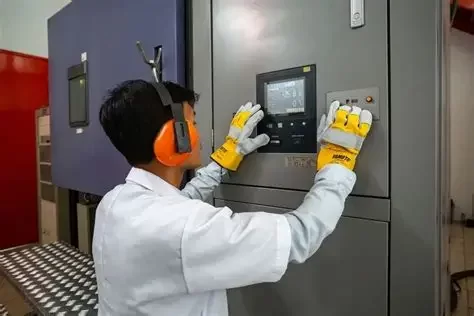
Storage and Baking of PCBs in Different Regions
The specific storage time and baking temperature of PCBs not only depend on the manufacturing ability and technology of the PCB manufacturers but also on the region.
PCBs produced by OSP process and pure gold sinking process generally have a shelf-life of 6 months after packaging, and it is generally not recommended to bake PCBs made by OSP process.
The storage and baking time of PCBs vary greatly depending on the region. In humid regions such as Guangdong and Guangxi in China, where there is a rainy season called "Hui Nan Tian", which is very humid during April and May, PCBs exposed in the air must be used within 24 hours, otherwise, they are prone to oxidation. After opening the package, it is best to use it within 8 hours. For some PCBs that need to be baked, the baking time will be longer. However, in inland regions, the weather is generally dry, and the storage time of PCBs can be longer, and the baking time can be shorter. The baking temperature is generally 120±5℃, and the baking time depends on the specific situation.
-20251124061922.webp "New Energy Vehicle Charging Pile PCBA")