Copper-clad PCB mainly plays three roles in the entire printed circuit board: conduction, insulation, and support.
Classification method of copper-clad PCB
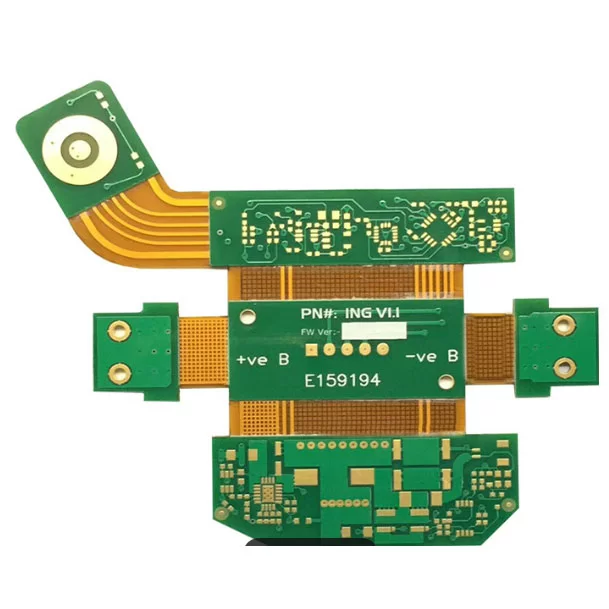
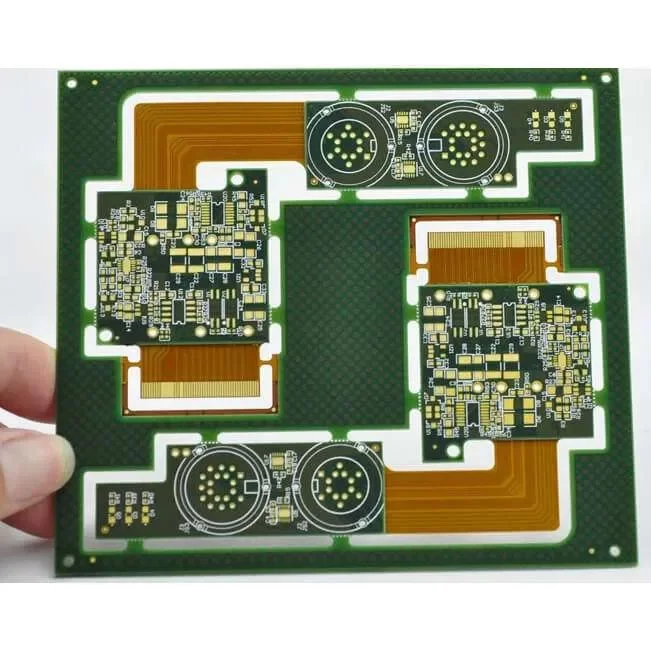
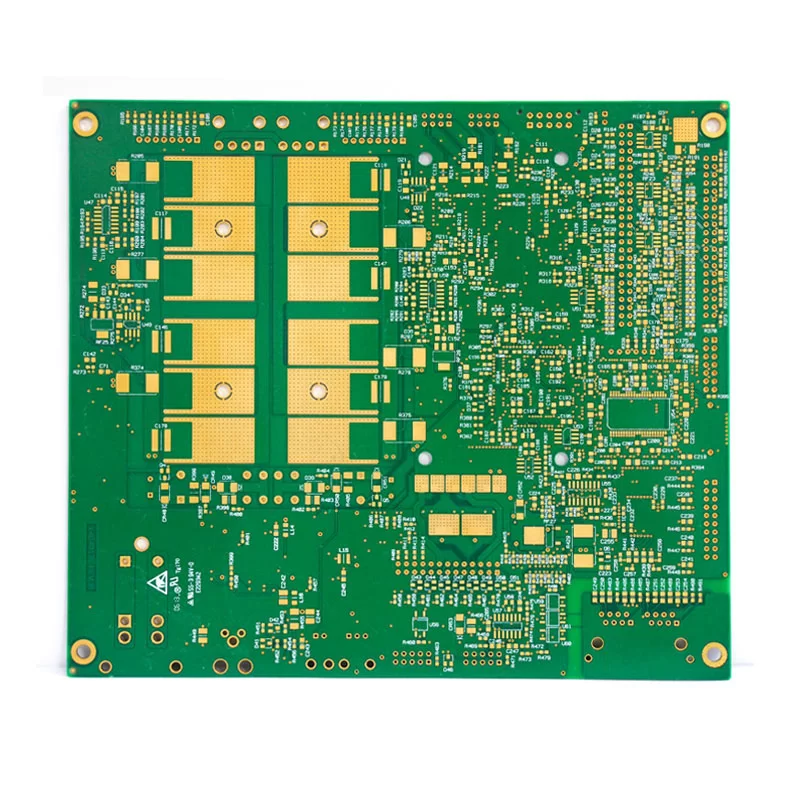
1. According to the rigidity of the board, it is divided into rigid copper-clad PCB and flexible copper-clad PCB.
2. According to the different reinforcing materials, it is divided into four categories: paper-based, glass cloth-based, composite-based (CEM series, etc.) and special material-based (ceramic, metal-based, etc.).
3. According to the resin adhesive used in the board, it is divided into:
(1) Paper-based board:
Phenolic resin XPC, XXXPC, FR-1, FR-2, epoxy resin FR-3 board, polyester resin, etc.
(2) Glass cloth-based board:
Epoxy resin (FR-4, FR-5 board), polyimide resin PI, polytetrafluoroethylene resin (PTFE) type, bismaleimide-triazine resin (BT), polyphenylene oxide resin (PPO), polydiphenyl ether resin (PPE), maleimide-styrene fatty resin (MS), polycarbonate resin, polyolefin resin, etc.
4. According to the flame-retardant performance of copper-clad PCB, it can be divided into two types: flame-retardant type (UL94-VO, V1) and non-flame-retardant type (UL94-HB).
Introduction of main raw materials of copper-clad PCB
According to the method of copper foil production, it can be divided into rolled copper foil (W class) and electrolytic copper foil (E class)
1. Rolled copper foil is made by repeatedly rolling the copper plate, and its resilience and elastic modulus are greater than those of electrolytic copper foil. The copper purity (99.9%) is higher than that of electrolytic copper foil (99.8%). It is smoother than electrolytic copper foil on the surface, which is conducive to the rapid transmission of electrical signals. Therefore, rolled copper foil is used in the substrate of high-frequency and high-speed transmission, fine-line PCBs, and even in the PCB substrate of audio equipment, which can improve the sound quality effect. It is also used to reduce the coefficient of thermal expansion (TCE) of fine-line and high-layer multi-layer circuit boards made of "metal sandwich board".
2. Electrolytic copper foil is continuously produced on the copper cylindrical cathode by a special electrolytic machine (also called a plating machine). The primary product is called raw foil. After surface treatment, including roughening layer treatment, heat-resistant layer treatment (copper foil used in paper-based copper-clad PCB does not require this treatment), and passivation treatment.
3. Copper foil with a thickness of 17.5㎜ (0.5OZ) or less is called ultra-thin copper foil (UTF). For production below 12㎜ in thickness, a "carrier" must be used. Aluminum foil (0.05~0.08mm) or copper foil (about 0.05㎜) is mainly used as a carrier for 9㎜ and 5㎜ thick UTE produced at present.
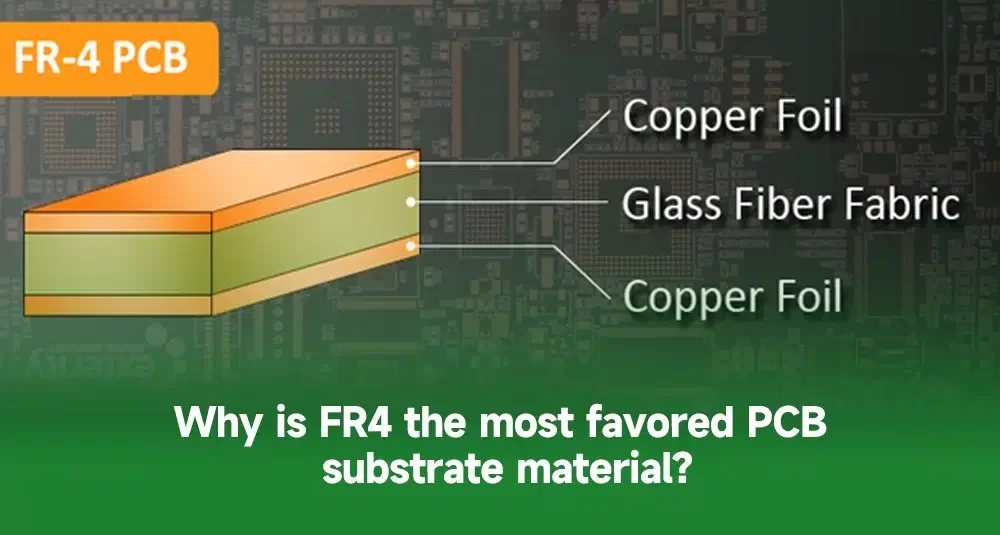
The glass fiber cloth is made of aluminum borosilicate glass fiber (E), D or Q type (low dielectric constant), S type (high mechanical strength), H type (high dielectric constant), and a vast majority of copper-clad PCB uses E type
1. Plain weave is used for glass cloth, which has the advantages of high tensile strength, good dimensional stability, and uniform weight and thickness.
2. The basic performance items characterize glass cloth, including the types of warp yarn and weft yarn, fabric density (number of warp and weft yarns), thickness, weight per unit area, width, and tensile strength (tensile strength).
3. The primary reinforcing material of paper-based copper-clad PCB is impregnated fiber paper, which is divided into cotton fiber pulp (made of cotton short fiber) and wood fiber pulp (divided into broadleaf pulp and coniferous pulp). Its main performance indexes include uniformity of paper weight (generally selected as 125g/㎡ or 135g/㎡), density, water absorption, tensile strength, ash content, moisture, etc.
The main characteristics and uses of flexible copper-clad PCB
Required features | Example of main use |
Thinness and high bendability | FDD, HDD, CD sensors, DVDs |
Multi-layer | Personal computers, computers, cameras, communication equipment |
Fine-line circuits | Printers, LCDs |
High heat resistance | Automotive electronic products |
High density installation and miniaturization | Camera |
Electrical characteristics (impedance control) | Personal computers, communication devices |
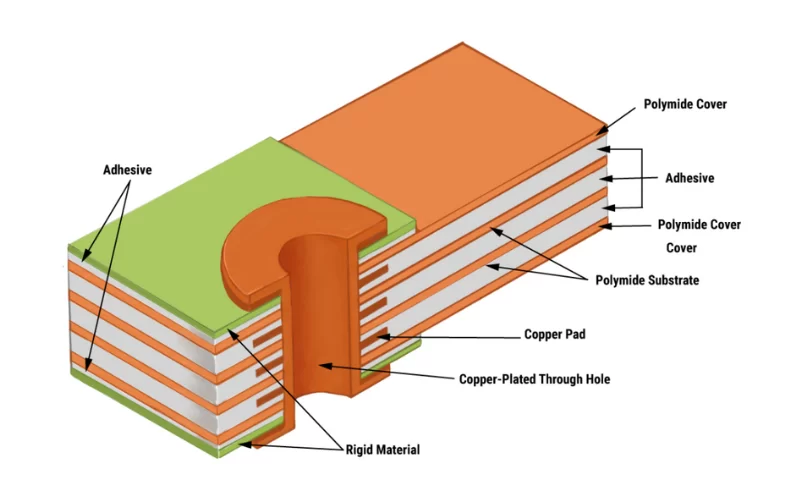
According to the classification of insulating film layer (also known as dielectric substrate), flexible copper clad laminates can be divided into flexible copper clad laminates of polyester film, flexible copper clad laminates of polyimide film and flexible copper clad laminates of fluorocarbon ethylene film or aromatic polyamide paper. CCL. Classified by performance, there are flame-retardant and non-flame-retardant flexible copper clad laminates. According to the classification of manufacturing process method, there are two-layer method and three-layer method. The three-layer board is composed of an insulating film layer, a bonding layer (adhesive layer), and a copper foil layer. The two-layer method board only has an insulating film layer and a copper foil layer. There are three production processes:
The insulating film layer is composed of thermosetting polyimide resin layer and thermoplastic polyimide resin layer.
A layer of barrier metal (barriermetal) is first coated on the insulating film layer, and then copper is electroplated to form a conductive layer.
Vacuum sputtering technology or evaporation deposition technology is adopted, that is, the copper is evaporated in a vacuum, and then the evaporated copper is deposited on the insulating film layer. The two-layer method has higher moisture resistance and dimensional stability in the Z direction than the three-layer method.
Problems that should be paid attention to when storing copper clad laminates
1. Copper-clad laminates should be stored in low-temperature, low-humidity places: the temperature is below 25°C, and the relative temperature is below 65%.
2. Avoid direct sunlight on the board.
3. When the board is stored, it should not be stored in an oblique state, and its packaging material should not be removed prematurely to expose it.
4. When handling and handling copper clad laminates, soft and clean gloves should be worn.
5. When taking and handling boards, it is necessary to prevent the corners of the board from scratching the copper foil surface of other boards, causing bumps and scratches.
-20251124061922.webp "New Energy Vehicle Charging Pile PCBA")