PCB Prototype: Your Guide to Fast and Reliable Manufacturing
Bringing your electronic designs to life requires a reliable PCB prototype service. A well-executed prototype is crucial for verifying your design, identifying potential issues, and ensuring a smooth transition to mass production. At Hub Circuits, we specialize in fast, high-quality PCB prototyping for a wide range of industries. This article will explore the importance of PCB prototypes, the factors to consider when choosing a manufacturer, and how Hub Circuits can help you accelerate your product development.
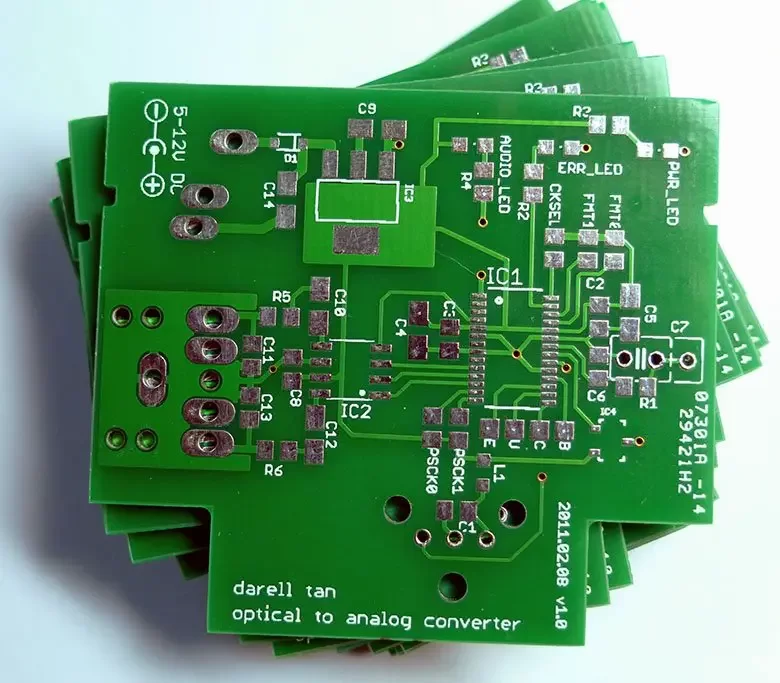
Why are PCB Prototypes Essential?
Before committing to large-scale production, creating a PCB prototype allows you to thoroughly test and validate your design. This crucial step helps identify errors in schematic design, layout issues, component placement problems, and potential manufacturing challenges. Prototyping significantly reduces the risk of costly rework and delays later in the production process. It’s also an opportunity to test the functionality of your circuit and ensure it meets the required specifications. Ignoring this step can lead to significant problems, from minor bugs to complete board failures. With Hub Circuits, prototyping is a streamlined process.
Key Benefits: Reduce development costs, Minimize risks, Verify design functionality, and Streamline time-to-market.
Factors to Consider When Choosing a PCB Prototype Service
Selecting the right manufacturer for your PCB prototype is critical. Several factors should influence your decision. These include turnaround time, fabrication capabilities (layer count, material options, via types), component sourcing, quality control procedures, and pricing. Look for a manufacturer that can handle your specific design requirements and offers competitive pricing without compromising quality. Consider their experience with similar projects and their ability to provide design for manufacturability (DFM) feedback.
Key Considerations:
• Turnaround Time
• Fabrication Capabilities
• Component Sourcing Reliability
• Quality Control Standards
PCB Prototype Fabrication Technologies: A Comparison
Different fabrication technologies are available for PCB prototype creation, each with its advantages and disadvantages. Common methods include traditional subtractive etching, additive manufacturing, and laser direct structuring. Subtractive etching is the most widely used method, involving removing unwanted copper from a clad laminate. Additive manufacturing builds up the circuit layer by layer, offering greater design flexibility. Laser direct structuring directly patterns the PCB with a laser, enabling fine-line circuitry. The best technology depends on your design complexity, required precision, and budget.
Hub Circuits: Your Trusted PCB Prototype Partner
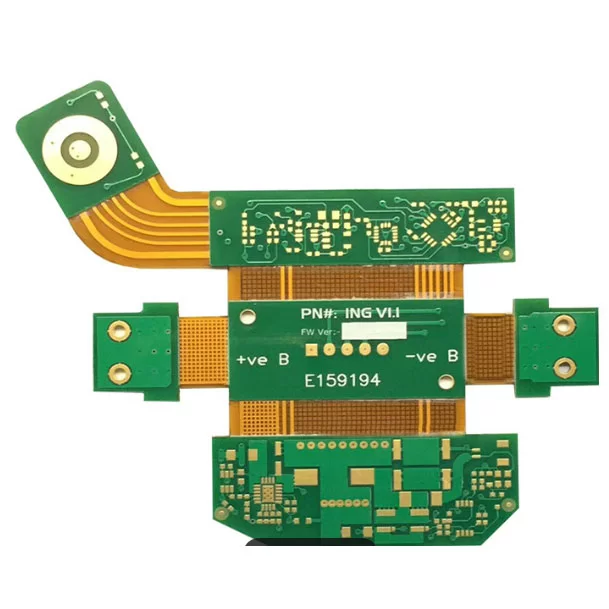
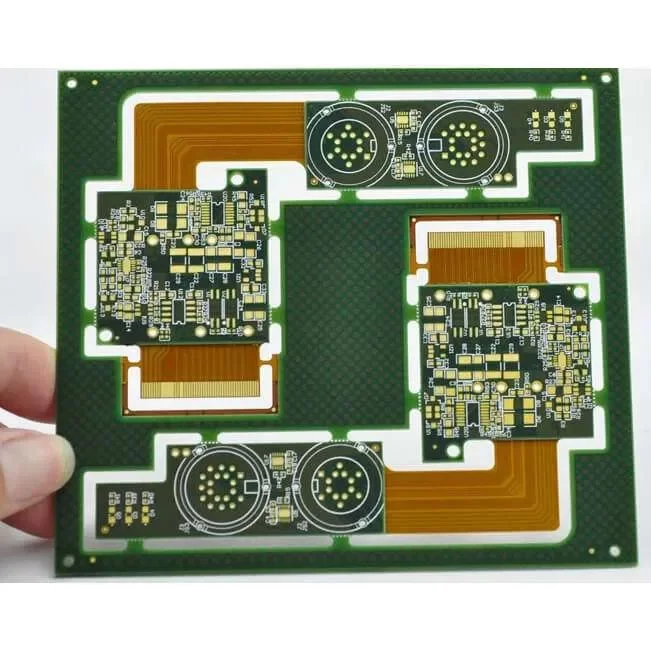
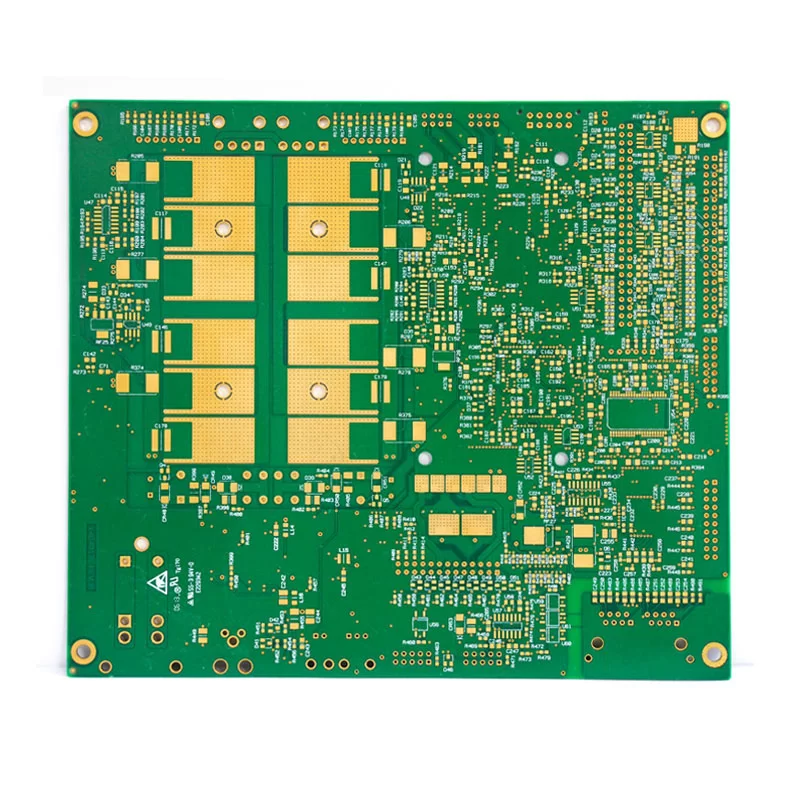
At Hub Circuits, we offer a comprehensive range of PCB prototyping services to meet your specific needs. We specialize in quick-turnaround prototypes with a commitment to quality and precision. Our capabilities include multilayer PCBs, flexible PCBs, and rigid-flex PCBs. We also provide component sourcing and assembly services, making us a one-stop solution for your prototyping requirements. We understand the importance of fast iteration and offer competitive pricing and excellent customer support.
Hub Circuits PCB Prototype Specifications
Here’s a glimpse into our standard PCB prototype specifications:
Conclusion: Accelerate Your Innovation with Hub Circuits
Choosing the right partner for your PCB prototype needs is a critical step in the product development process. At Hub Circuits, we are dedicated to providing fast, reliable, and high-quality prototyping services to help you bring your ideas to life. Contact us today to discuss your project and experience the Hub Circuits difference.
Frequently Asked Questions (FAQs)
What file formats do you accept for PCB prototype orders?
We accept Gerber files (RS-274X), Drill files (Excellon format), Bill of Materials (BOM), and Centroid (Pick and Place) files. We also support IPC-2581 (ODB++) for a more streamlined data exchange. Ensuring your files are complete and accurate is crucial for a smooth and efficient prototyping process. Our engineering team can review your files to identify any potential issues before fabrication begins.
What is the typical turnaround time for a standard PCB prototype?
Our standard turnaround time for a PCB prototype is typically 3-5 business days, depending on the complexity of the design, layer count, and any additional services requested (e.g., assembly). We also offer expedited services for faster turnaround times, which can be discussed with our sales team. We understand the importance of speed in product development and strive to deliver prototypes as quickly as possible without compromising quality.
Do you offer component sourcing and assembly services?
Yes, we offer both component sourcing and PCB assembly services. We have a wide network of trusted component suppliers and can procure components on your behalf. Our assembly services include SMT (Surface Mount Technology) and through-hole assembly. We can assemble your prototype boards to your specifications, ensuring they are fully functional and ready for testing.
What quality control measures do you have in place?
Quality is our top priority. We employ rigorous quality control measures throughout the entire manufacturing process, including visual inspection, electrical testing, and automated optical inspection (AOI). We adhere to industry standards and strive to deliver defect-free prototypes. Our commitment to quality ensures that your prototypes meet your expectations and perform reliably.
-20251124061922.webp "New Energy Vehicle Charging Pile PCBA")