PCB Fabrication: A Comprehensive Guide
In today’s rapidly evolving electronics industry, reliable PCB fabrication is paramount. Printed Circuit Boards (PCBs) are the foundation of almost all electronic devices, and their quality directly impacts the performance and longevity of the final product. This article will provide a detailed overview of PCB fabrication, covering the process, materials, key considerations, and advancements in the field. Understanding the intricacies of PCB fabrication is vital for engineers, designers, and anyone involved in the development of electronic products.
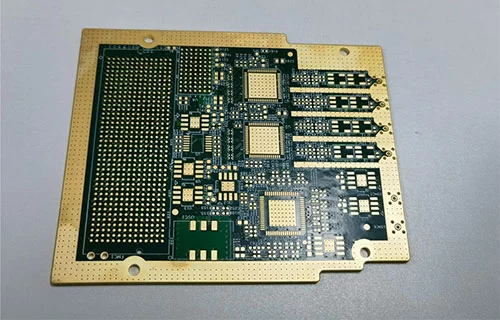
The PCB Fabrication Process: A Step-by-Step Overview
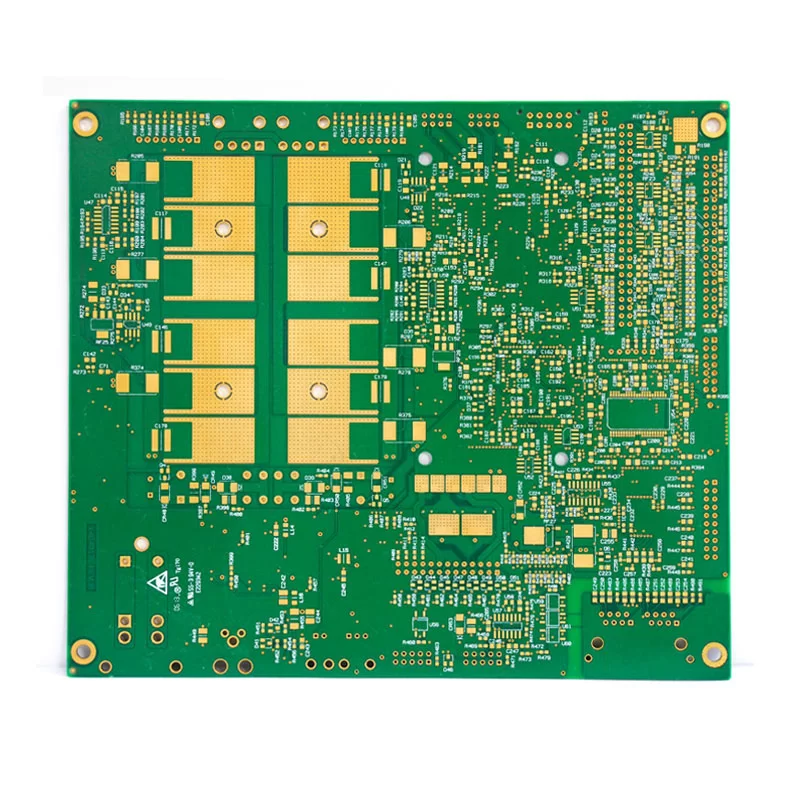
The PCB fabrication process is a complex series of steps. It typically begins with design input and culminates in a fully functional PCB ready for assembly. Here's a breakdown of the main stages: Design Preparation: The process starts with a schematic and PCB layout created using Electronic Design Automation (EDA) software. Film Production: Photoplots, or films, are generated from the layout. These films define the copper traces and pads. Inner Layer Fabrication: For multilayer boards, inner layers are etched. Lamination: Layers are bonded together using heat and pressure with prepreg (resin-impregnated fiberglass). Drilling: Holes are drilled for component leads and vias. Plating: Holes are plated with copper to create conductive pathways. Outer Layer Imaging & Etching: Outer layers are imaged and etched to define the final circuit patterns. Solder Mask Application: A solder mask is applied to protect traces and prevent solder bridges. Surface Finish: A surface finish (e.g., HASL, ENIG) is applied to protect the copper and enhance solderability. Electrical Testing: The fabricated PCB is tested to ensure electrical connectivity and functionality.
Key Takeaway: Each step in the PCB fabrication process requires precision and quality control to ensure a reliable and functional final product.
Materials Used in PCB Fabrication
Several materials are integral to PCB fabrication. Substrate: Typically FR-4 (Flame Retardant 4), a fiberglass epoxy laminate, provides structural support. Other materials include CEM-1, CEM-3, and high-frequency substrates like Rogers. Copper Foil: Used for conductive traces and planes. Different copper weights (thickness) are used depending on current-carrying requirements. Prepreg: Resin-impregnated fiberglass used to bond layers together. Solder Mask: Protects copper traces and prevents solder bridges during assembly. Surface Finish: Protects copper pads and enhances solderability (e.g., HASL, ENIG, Immersion Silver). The choice of materials significantly impacts the PCB’s performance, cost, and reliability. Hub Circuits offers a wide selection of materials to meet diverse project requirements.
Material Considerations:
• Cost vs. Performance
• Operating Frequency
• Thermal Management
• Environmental Requirements
Key Considerations for Effective PCB Fabrication
Successful PCB fabrication requires careful attention to several key factors. Design for Manufacturability (DFM): Designing PCBs with manufacturing processes in mind reduces costs and improves yield. Layer Stackup: Properly defining the layer stackup is crucial for signal integrity and impedance control. Trace Width and Spacing: These parameters affect current-carrying capacity and signal isolation. Via Design: Vias connect different layers and must be designed carefully to ensure signal continuity. Panelization: Efficiently arranging multiple PCBs on a single panel minimizes waste and reduces costs. Tolerance Analysis: Accounting for manufacturing tolerances ensures proper functionality.
Advanced PCB Fabrication Techniques
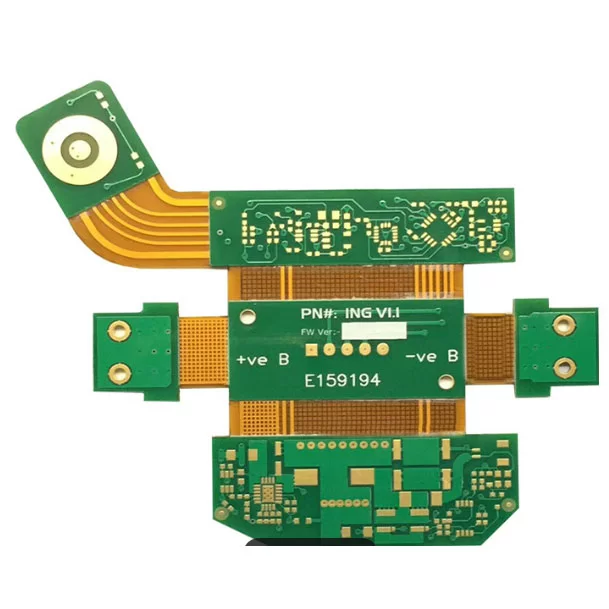
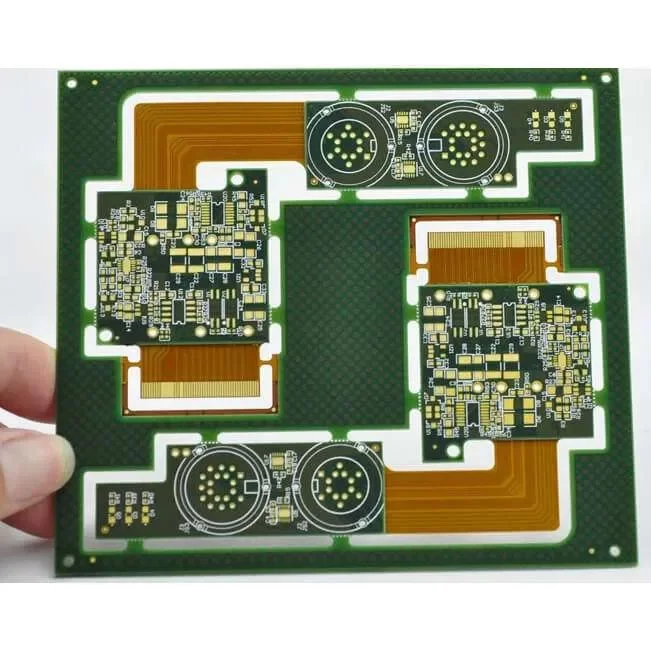
The field of PCB fabrication is constantly evolving. Advanced techniques are enabling the creation of more complex and higher-performance boards. High-Density Interconnect (HDI): Allows for greater component density and smaller board sizes. Microvia Technology: Utilizes very small vias for increased routing density. Flexible PCBs: Provides flexibility and conformability for applications requiring bending or flexing. Rigid-Flex PCBs: Combines the benefits of rigid and flexible PCBs. Embedded Components: Integrating components within the PCB layers saves space and improves performance. Hub Circuits stays at the forefront of these advancements to provide cutting-edge fabrication services.
Choosing the Right PCB Fabrication Partner
Selecting the right PCB fabrication partner is crucial for success. Consider these factors: Capabilities: Ensure the manufacturer can handle your board's complexity and requirements. Quality Control: Look for robust quality control processes and certifications (e.g., ISO 9001). Turnaround Time: Evaluate their ability to meet your project timeline. Cost: Obtain competitive quotes from multiple vendors. Communication: Choose a partner with excellent communication and responsiveness. Hub Circuits offers reliable, high-quality PCB fabrication services with a focus on customer satisfaction.
Conclusion: Investing in Quality PCB Fabrication
Quality PCB fabrication is a cornerstone of successful electronic product development. By understanding the process, materials, and key considerations, you can ensure a reliable and high-performing final product. Partnering with a trusted and capable fabrication house like Hub Circuits is essential for achieving your project goals.
Frequently Asked Questions (FAQs)
What is the typical lead time for PCB fabrication?
Lead times vary depending on the complexity of the PCB, the chosen materials, and the manufacturer's workload. Simple boards with standard materials can often be fabricated in 5-7 business days, while more complex multilayer boards or those requiring specialized materials can take 2-4 weeks or longer. It's crucial to discuss lead times with your fabrication partner during the quoting process to ensure they align with your project schedule. Hub Circuits offers competitive lead times and transparent communication throughout the fabrication process.
What file formats are accepted for PCB fabrication?
The most commonly accepted file format for PCB fabrication is Gerber (RS-274X). Other commonly used formats include Excellon drill files, Netlist files, and component placement files. It's essential to verify the specific file requirements with your fabrication partner before submitting your design. Hub Circuits provides detailed guidelines on accepted file formats and offers assistance with file preparation if needed.
What is ENIG and why is it used?
ENIG (Electroless Nickel Immersion Gold) is a surface finish commonly used in PCB fabrication. It consists of a layer of nickel plated onto the copper, followed by a thin layer of gold. ENIG provides excellent solderability, corrosion resistance, and electrical conductivity. It's particularly beneficial for fine-pitch components and boards that will be stored for extended periods. The gold layer protects the nickel from oxidation, ensuring reliable performance.
How can I ensure my PCB design is manufacturable?
Design for Manufacturability (DFM) is key. Follow your fabrication partner's design rules and guidelines. Ensure adequate spacing between traces and pads, proper via placement, and appropriate copper weights. Submit your design for a DFM check early in the process to identify and resolve potential manufacturing issues before fabrication begins. Hub Circuits offers free DFM analysis to help optimize your design for manufacturability.
-20251124061922.webp "New Energy Vehicle Charging Pile PCBA")