Choosing the Right PCB Manufacturer: A Comprehensive Guide
In today’s interconnected world, printed circuit boards (PCBs) are the backbone of almost all electronic devices. Selecting a reliable PCB manufacturer is crucial for the success of any electronics project. This article will provide a detailed guide on what to look for in a PCB manufacturer, covering key factors like capabilities, quality control, cost, and delivery. Whether you're a seasoned engineer or new to PCB design, this information will empower you to make an informed decision. We'll explore the nuances of finding the perfect partner for your PCB needs.
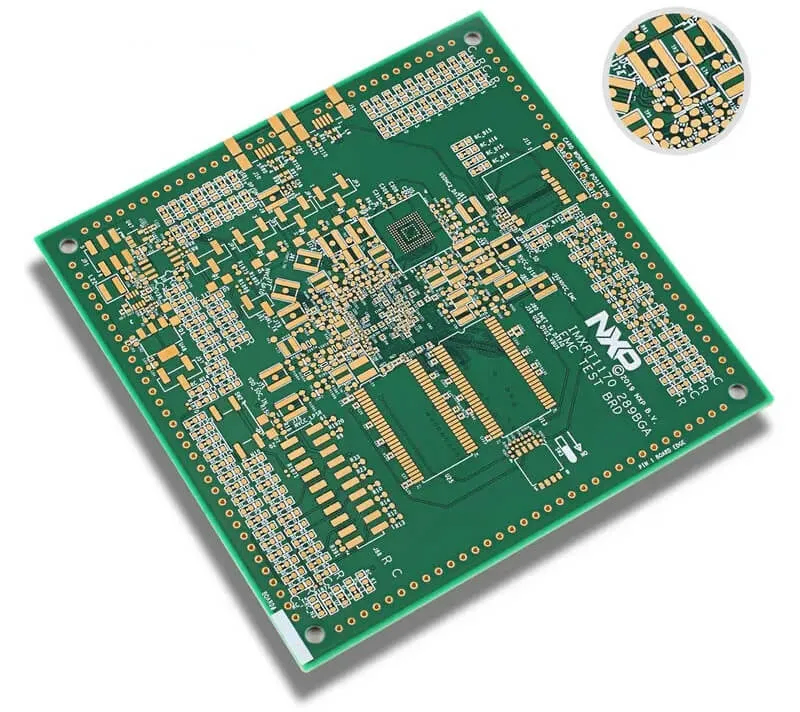
Key Capabilities to Look for in a PCB Manufacturer
A capable PCB manufacturer should offer a wide range of services to meet diverse project requirements. This includes multilayer PCB fabrication, controlled impedance PCBs, and specialized surface finishes like ENIG and HASL. Beyond fabrication, look for manufacturers that provide PCB assembly services, including SMT (Surface Mount Technology) and through-hole assembly. Design for Manufacturability (DFM) checks are also essential – a good manufacturer will review your design files to identify potential production issues early on. Additional services like component sourcing and testing can streamline the entire process. Finally, consider their ability to handle quick turns and prototypes.
Key Highlights: Look for manufacturers that offer a full suite of services, from design review and fabrication to assembly and testing. A one-stop-shop can save time and reduce communication errors.
Quality Control: Ensuring PCB Reliability
Quality control is paramount when selecting a PCB manufacturer. Look for companies with robust quality management systems, such as ISO 9001 certification. This demonstrates a commitment to consistently meeting customer requirements. Essential quality control procedures include Automated Optical Inspection (AOI), X-ray inspection, and electrical testing. A reputable manufacturer will provide detailed test reports and documentation. Furthermore, inquire about their procedures for handling non-conforming products and implementing corrective actions. A strong emphasis on quality minimizes defects and ensures the reliability of your PCBs.
Quality Control Measures:
• ISO 9001 Certification
• Automated Optical Inspection (AOI)
• X-ray Inspection
• Electrical Testing
Cost Considerations When Choosing a PCB Manufacturer
While cost is always a factor, focusing solely on the lowest price can be detrimental. A cheaper manufacturer might cut corners on quality, leading to costly rework or failures. Instead, consider the total cost of ownership, including fabrication, assembly, testing, shipping, and potential warranty claims. Obtain quotes from multiple manufacturers and carefully compare them, paying attention to the details of what's included in each price. Negotiate pricing based on volume and long-term partnerships. Also, factor in potential import duties and taxes, especially when working with overseas manufacturers.
Lead Times and Delivery Reliability of PCB Manufacturers
Prompt delivery is crucial, especially for time-sensitive projects. Discuss lead times with potential PCB manufacturers and ensure they can meet your deadlines. Inquire about their production capacity and their ability to handle rush orders. Check their track record for on-time delivery. A reliable manufacturer will provide clear communication regarding order status and proactively address any potential delays. Consider manufacturers located geographically close to you to minimize shipping times and potential logistical issues.
Communication and Customer Support
Effective communication is essential for a successful partnership. Choose a PCB manufacturer that provides responsive customer support. They should have dedicated account managers who can address your questions and concerns promptly. Look for manufacturers that offer multiple communication channels, such as email, phone, and online chat. A willingness to collaborate and provide technical assistance demonstrates a commitment to customer satisfaction. Clear and transparent communication throughout the entire process will help avoid misunderstandings and ensure a smooth experience.
Conclusion: Finding the Ideal PCB Partner
Selecting the right PCB manufacturer is a critical decision that can significantly impact the success of your electronics project. By carefully evaluating their capabilities, quality control processes, cost structure, delivery reliability, and customer support, you can find a partner that meets your specific needs. Remember to prioritize quality and communication over simply the lowest price. Hub Circuits offers a comprehensive suite of PCB manufacturing services, backed by a commitment to quality and customer satisfaction.
Frequently Asked Questions (FAQs)
What file formats does a PCB manufacturer typically accept?
Most PCB manufacturers accept Gerber files, which are the industry standard for PCB design. They may also accept other formats like Drill files (Excellon), Netlists, and Bill of Materials (BOM). It's always best to check with the specific manufacturer to confirm their preferred file formats and any specific requirements for file naming and organization. Some manufacturers also offer online portals for easy file uploading and management.
What is the minimum order quantity (MOQ) for PCBs?
The MOQ varies significantly depending on the manufacturer and the complexity of the PCB. Some manufacturers cater to prototyping and offer very low or no MOQs, making them ideal for small-volume projects. Others specialize in mass production and require larger order quantities. It’s essential to inquire about the MOQ before submitting a quote request, as it can impact the overall cost and lead time. Hub Circuits offers flexible options to meet varying order volumes.
How long does it typically take to get a PCB fabricated?
The fabrication lead time depends on factors like PCB complexity, layer count, quantity, and the manufacturer's current workload. Simple PCBs can often be fabricated in a few days, while complex multilayer boards may take several weeks. Quick-turn services are available for faster delivery, but they typically come at a premium cost. Always confirm the estimated lead time with the manufacturer before placing your order and factor it into your project timeline.
What surface finishes are available for PCBs?
Common PCB surface finishes include HASL (Hot Air Solder Leveling), ENIG (Electroless Nickel Immersion Gold), and OSP (Organic Solderability Preservative). HASL is a cost-effective option for through-hole components, while ENIG provides excellent solderability and corrosion resistance, making it ideal for SMT components and long-term reliability. OSP is a more economical alternative to ENIG but has a shorter shelf life. The best surface finish depends on your specific application requirements and budget.
-20251124061922.webp "New Energy Vehicle Charging Pile PCBA")