Understanding Printed Circuit Boards: A Comprehensive Guide
Printed Circuit Boards (PCBs) are the foundation of modern electronics, providing mechanical support and electrical connections for components. From smartphones to complex industrial machinery, PCBs are ubiquitous. At Hub Circuits, we specialize in designing and manufacturing high-quality PCBs tailored to your specific needs. This article will delve into the world of PCBs, covering their types, manufacturing processes, applications, and key considerations for choosing the right board for your project. Understanding PCBs is crucial for anyone involved in electronics design and manufacturing.
Types of Printed Circuit Boards
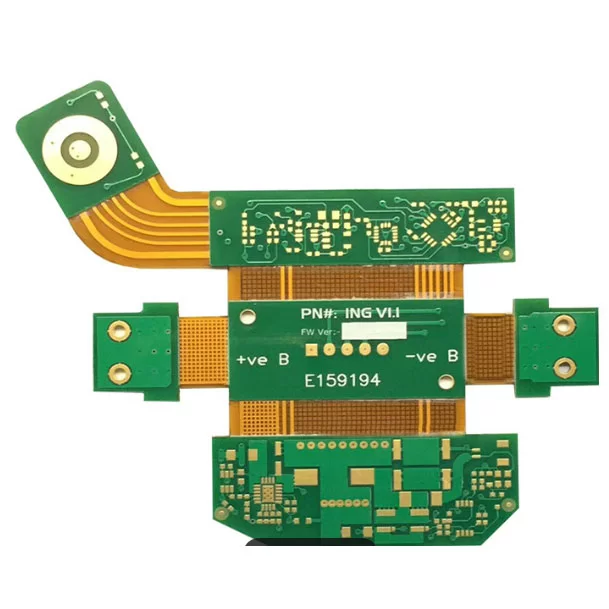
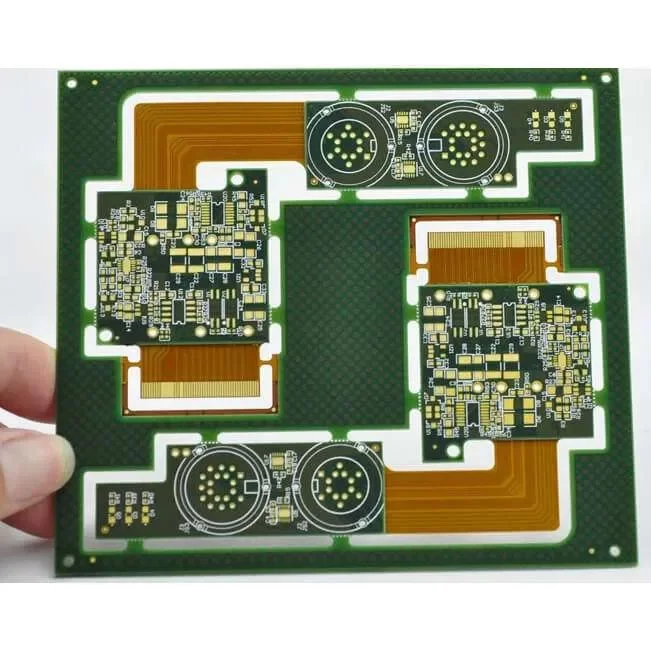
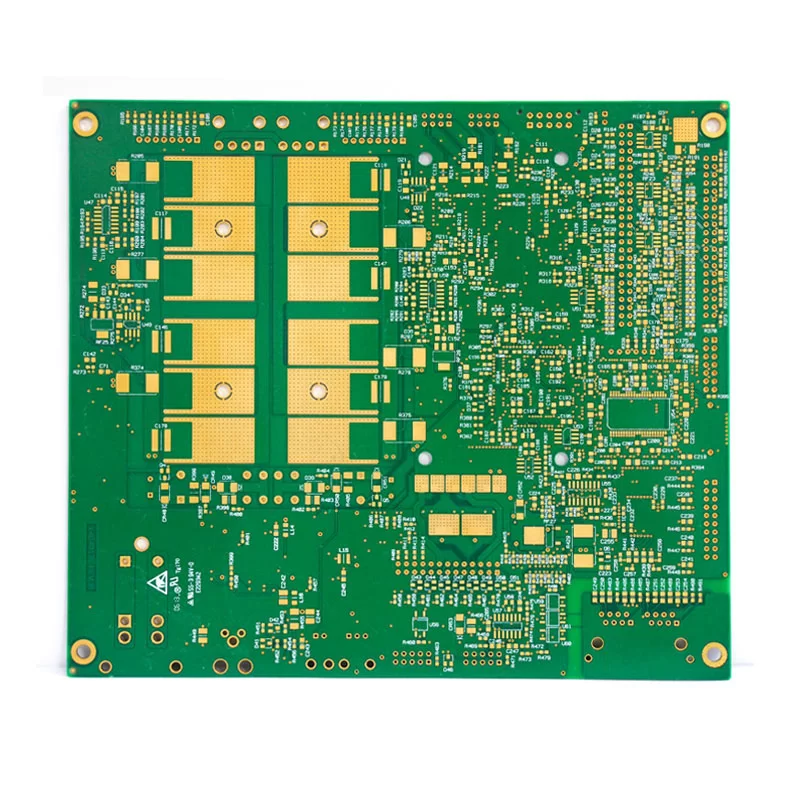
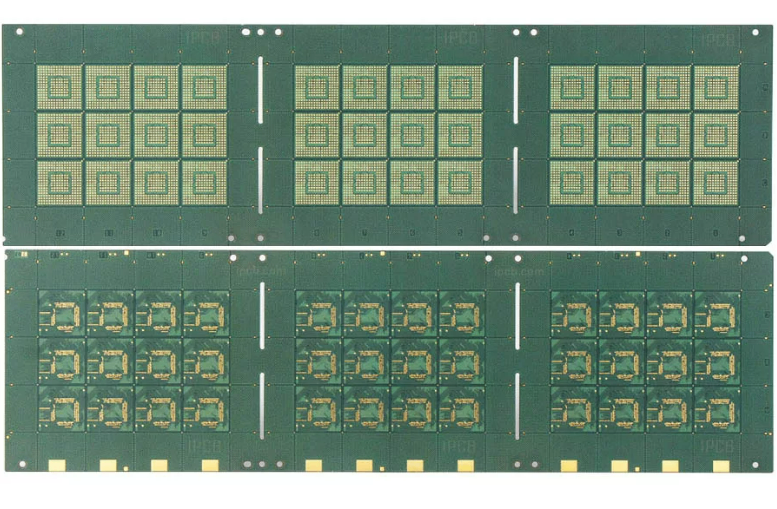
PCBs come in various forms, each suited for different applications. The most common types include single-layer, double-layer, and multi-layer boards. Single-layer PCBs have conductive patterns on only one side of the board and are ideal for simple electronic devices. Double-layer PCBs feature conductive layers on both sides, enabling more complex circuitry. Multi-layer PCBs consist of three or more conductive layers laminated together, allowing for highly dense and sophisticated designs. Furthermore, there are specialized PCB types like flexible PCBs (used in wearable devices) and rigid-flex PCBs (combining rigid and flexible sections). Selecting the correct type of PCB is vital for optimal performance and cost-effectiveness.
Key Takeaway: The complexity of your electronic design directly influences the type of PCB required. Simple projects benefit from single or double-layer boards, while intricate applications demand multi-layer solutions.
The PCB Manufacturing Process
The creation of a PCB involves a series of intricate steps. First, a design is created using specialized software. This design is then transferred onto a copper-clad laminate. Etching removes unwanted copper, leaving the desired circuit traces. Drilling creates holes for component insertion, followed by plating to create conductive vias (connections between layers). A solder mask is applied to protect the traces and prevent short circuits. Finally, surface finish is added to protect the copper and facilitate soldering. Hub Circuits utilizes state-of-the-art equipment and rigorous quality control throughout the entire process.
Manufacturing Stages:
• Design Creation
• Copper Clad Lamination
• Etching
• Drilling & Plating
• Solder Mask Application
• Surface Finish
Printed Circuit Board Materials: A Comparison
The materials used in PCB construction significantly impact performance and reliability. Common substrate materials include FR-4 (Flame Retardant 4), CEM-1, and high-frequency materials like Rogers. FR-4 is the most widely used material due to its cost-effectiveness and good electrical properties. CEM-1 is a cheaper alternative but offers lower performance. Rogers materials are preferred for high-frequency applications requiring minimal signal loss. Copper is the primary conductor material, with varying thicknesses available. Choosing the right material depends on the operating frequency, temperature requirements, and budget constraints.
Applications of Printed Circuit Boards
PCBs are found in a vast array of applications, including computers, smartphones, medical devices, automotive systems, and industrial control equipment. Their ability to support complex circuitry in a compact form factor makes them essential for modern technology. The demand for PCBs continues to grow with the increasing sophistication of electronic devices. Hub Circuits provides custom PCB solutions for diverse industries.
Choosing the Right PCB Manufacturer
Selecting a reliable PCB manufacturer is crucial for project success. Consider factors such as manufacturing capabilities, quality control processes, turnaround time, and cost. Look for a manufacturer with experience in your specific application and a commitment to customer satisfaction. Hub Circuits is dedicated to providing high-quality PCBs, rapid prototyping, and exceptional customer service. Our team of experienced engineers will work closely with you to ensure your project meets your exact requirements.
Conclusion: Partnering with Hub Circuits for Your PCB Needs
Investing in high-quality Printed Circuit Boards is essential for the reliability and performance of your electronic products. Hub Circuits offers a comprehensive range of PCB solutions, from prototyping to mass production, with a focus on quality, speed, and customer satisfaction. Contact us today to discuss your project and receive a competitive quote.
Frequently Asked Questions (FAQs)
What is the typical lead time for a custom PCB order?
Lead times vary depending on the complexity of the PCB, the quantity ordered, and current production schedules. Generally, prototype PCBs can be delivered within 3-7 business days, while mass production orders may take 2-4 weeks. Hub Circuits strives to provide fast turnaround times without compromising quality. We offer expedited services for urgent projects.
What file formats do you accept for PCB design?
We accept Gerber files (RS-274X), Drill files (Excellon format), and BOM (Bill of Materials) files. We also support IPC-2581 (ODB++) format. Providing clear and accurate files is crucial for a smooth manufacturing process. Our engineering team can assist with file review and optimization if needed.
Do you offer PCB assembly services?
Yes, Hub Circuits provides comprehensive PCB assembly services, including surface mount technology (SMT) and through-hole assembly. We offer both turnkey solutions (where we procure all components) and consignment assembly (where you provide the components). Our assembly services ensure high-quality and reliable performance of your assembled PCBs.
What quality control measures do you have in place?
We implement rigorous quality control procedures throughout the entire manufacturing process. This includes visual inspection, electrical testing (open/short circuit testing), impedance control, and automated optical inspection (AOI). We adhere to industry standards such as IPC-A-610 to ensure the highest level of quality and reliability.
-20251124061922.webp "New Energy Vehicle Charging Pile PCBA")