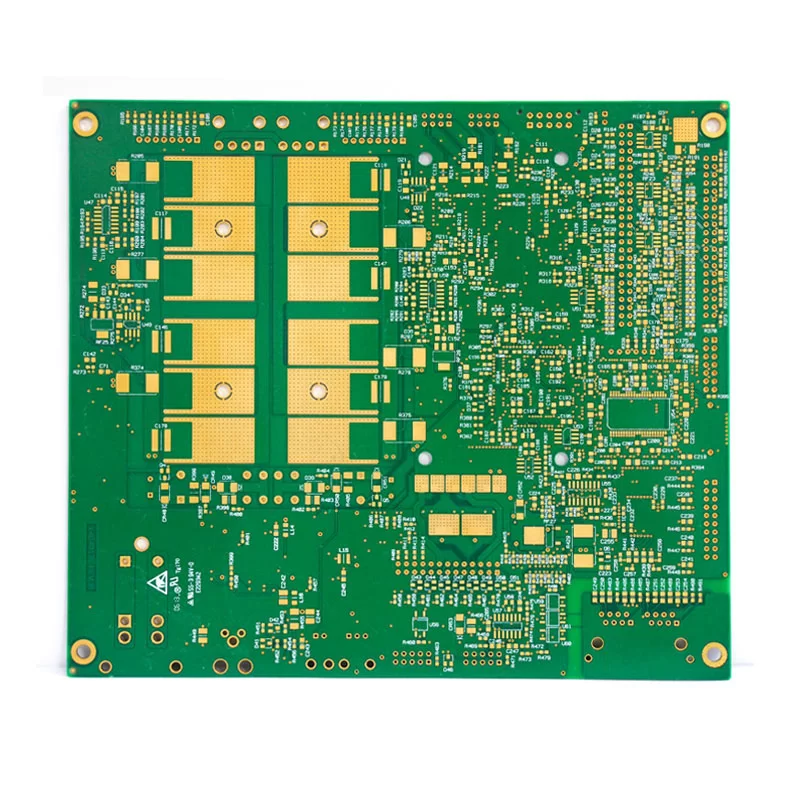
Overcoming Manufacturing Bottlenecks with Precise PCB Component Identification & Footprint Engineering
Navigating the complexities of modern electronics requires flawless execution from the very first CAD schematic. When virtual land patterns fail to perfectly match the physical dimensions of sourced parts, hardware developers face a cascade of costly issues: solder bridging, tombstoning, assembly failures, and ultimately, severely delayed product launches. Solving this pervasive industry challenge demands an uncompromising approach to PCB Component Identification & Footprint Engineering.
Operating from our advanced facility in Shenzhen’s Xing Nan Industrial Park, HUB Circuits serves as the critical bridge between theoretical design and physical manufacturing reality. Instead of treating layout and assembly as isolated silos, our one-stop PCB fabrication and assembly services ensure that every resistor, IC, and custom connector is validated before production begins. Focusing aggressively on rapid prototyping and high-mix, low-to-medium volume fabrication, we utilize sophisticated manufacturing and testing equipment to eliminate Bill of Materials (BOM) discrepancies and footprint mismatches, securing a seamless transition from prototype to final product.
Technical Standards and Manufacturing Benchmarks for PCB Component Identification & Footprint Engineering
Achieving zero-defect manufacturing in complex electronics relies heavily on the strict parameters applied during the layout phase. To support industries with zero tolerance for failure—such as telecommunications, medical, industrial control, and automotive electronics—our engineering protocols for PCB Component Identification & Footprint Engineering must exceed standard industry benchmarks.
| Performance Metric | Industry Significance | Our Engineering Standard | Advantage |
|---|---|---|---|
| Trace & Pad Precision | Prevents solder shorts and ensures reliable pin connectivity. | Ultra-fine line width and spacing tolerances. | Guarantees precise component placement on High-Density Interconnection (HDI) and 1-32 layer boards. |
| Surface Mount Adhesion | Dictates the mechanical stability of soldered components. | Integration of advanced surface finishes. | Optimized solder paste flow, ensuring maximum joint strength for high-frequency and high-speed applications. |
| Substrate Versatility | Accommodates non-standard or custom component packaging. | Support for Flexible, Rigid-Flex, and Aluminum base boards. | Allows for complex, multi-dimensional footprint mapping in compact medical and industrial devices. |
| Assembly Quality Control | Ensures end-product safety and global market readiness. | ISO 9001 certified & UL recognized quality management. | Total peace of mind with verifiable, audited traceability for every component identified and placed. |
Maximizing Value and Long-Term ROI Through Expert PCB Component Identification & Footprint Engineering
Strategic precision in layout design translates directly into bottom-line profitability. By partnering with a globally recognized manufacturer for your PCB Component Identification & Footprint Engineering, hardware teams drastically reduce the capital drain associated with multiple prototype iterations and board respins. True value engineering means preventing errors before silicon hits the board.
At HUB Circuits, our commitment to short lead times and high-quality outputs ensures that your engineering budget is spent on innovation, not troubleshooting layout errors. Accurate footprint mapping accelerates your time-to-market while simultaneously driving up first-pass assembly yields. The visualization below illustrates the tangible financial and operational impacts of implementing our rigorous component validation standards across high-mix, low-volume production runs.
Related products
Top Selling Products
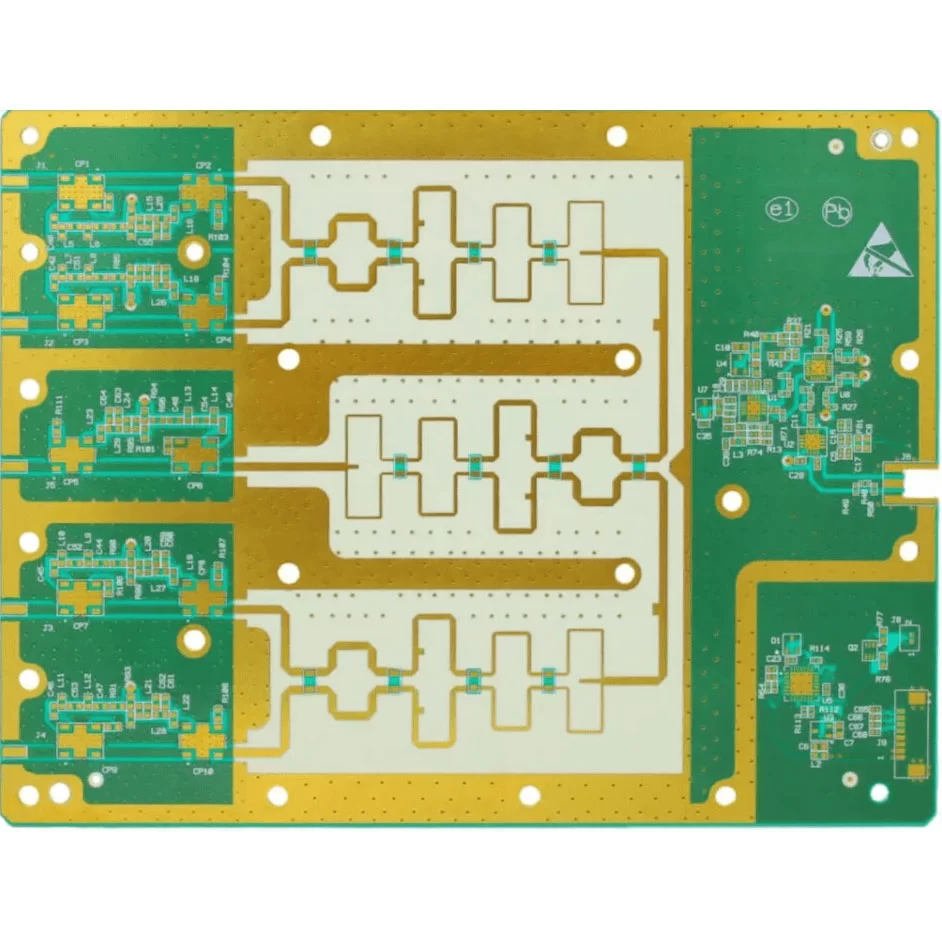
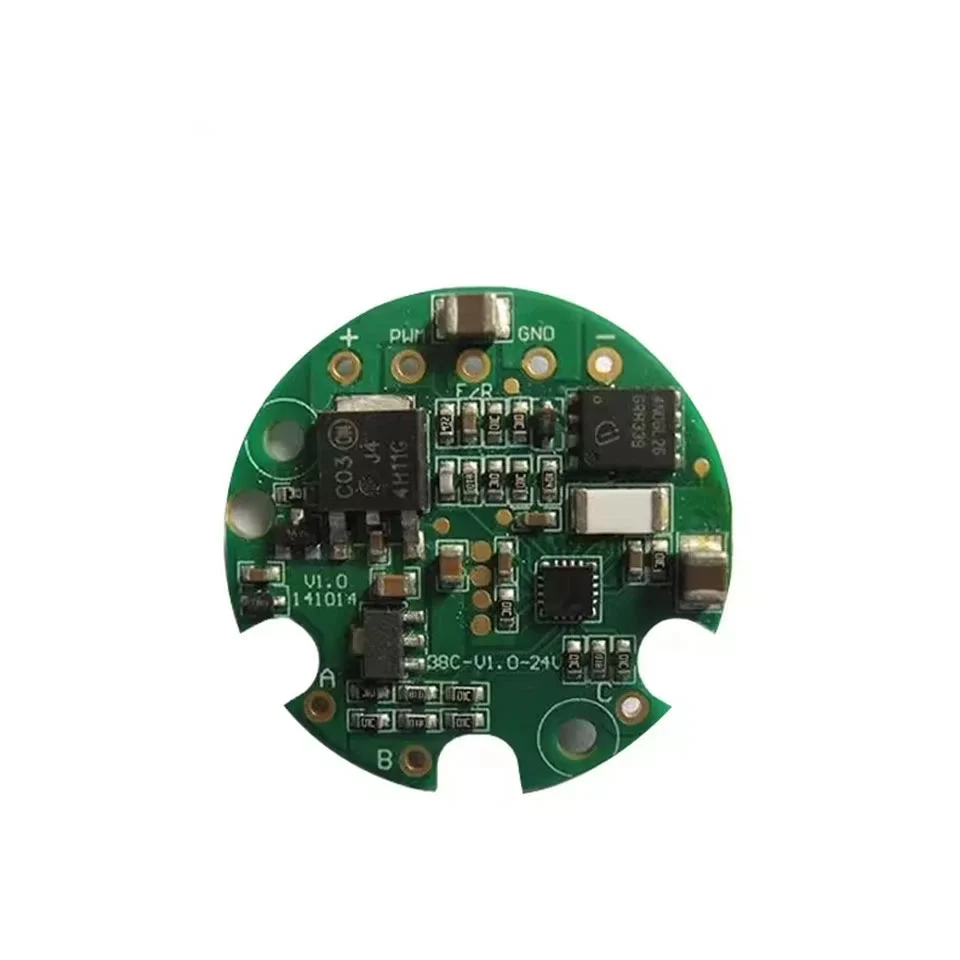
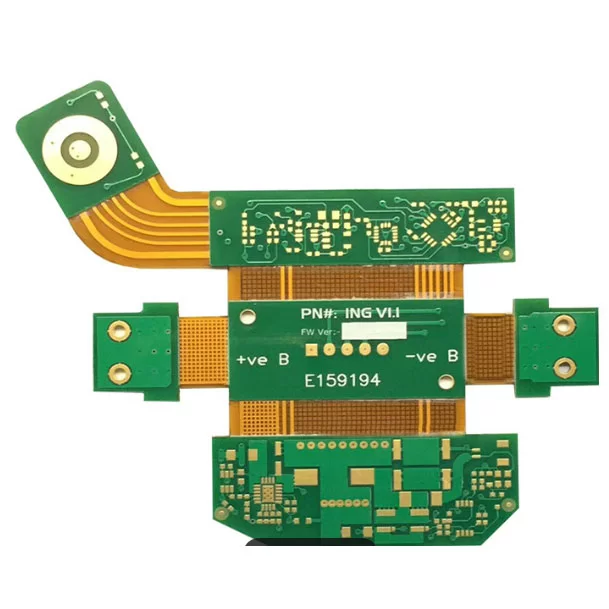
Choosing a Reliable PCB Manufacturer for High Performance Electronics
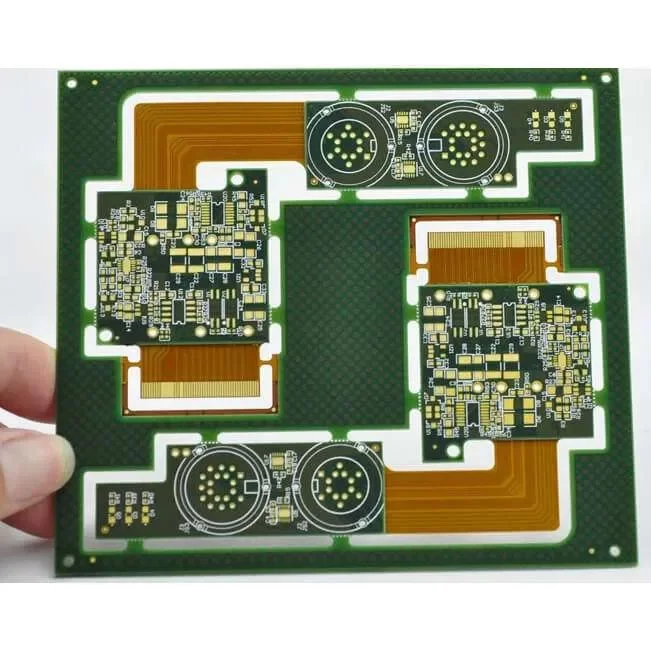
Comprehensive Guide to Printed Circuit Board Design and Fabrication

123456Modern Printed Circuit Board Design and Global Manufacturing Trends123123123