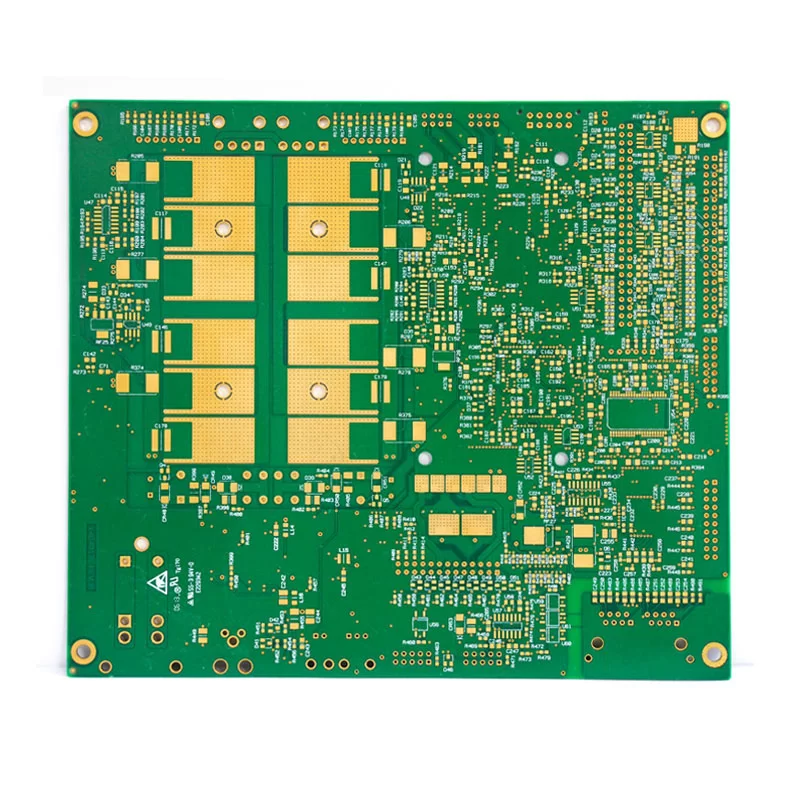
Choosing the Right High-Frequency & RF Front-End PCB Fabrication
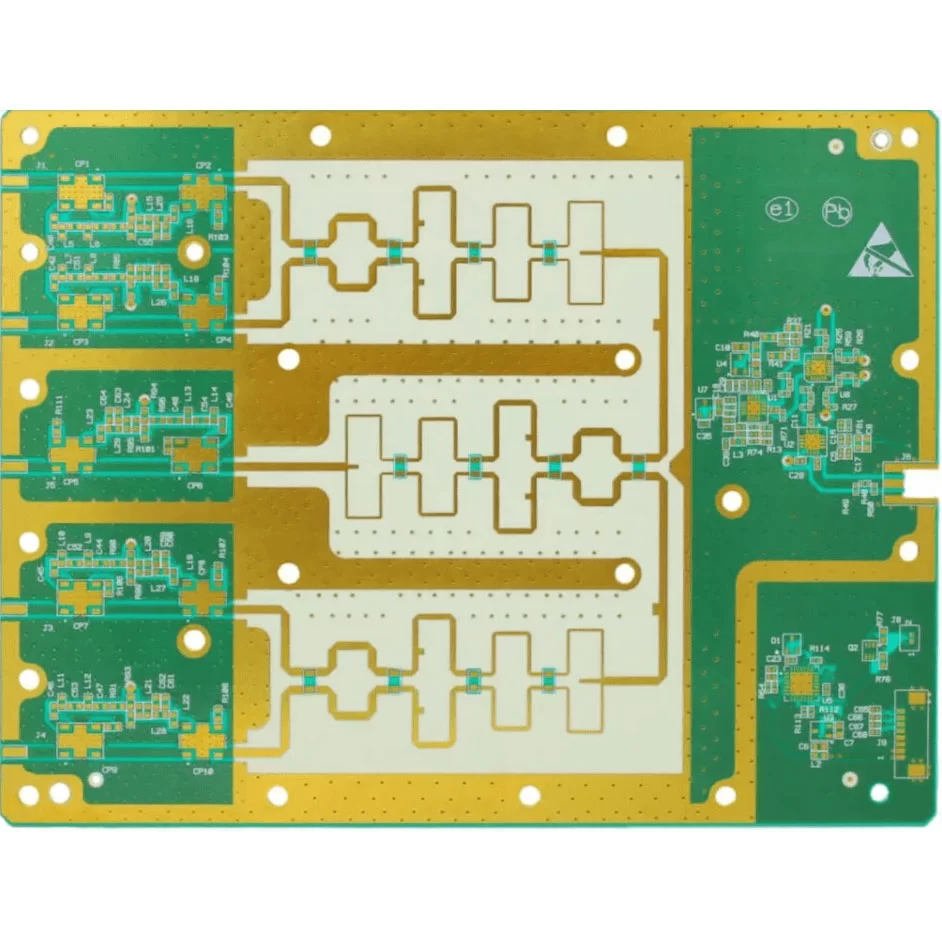
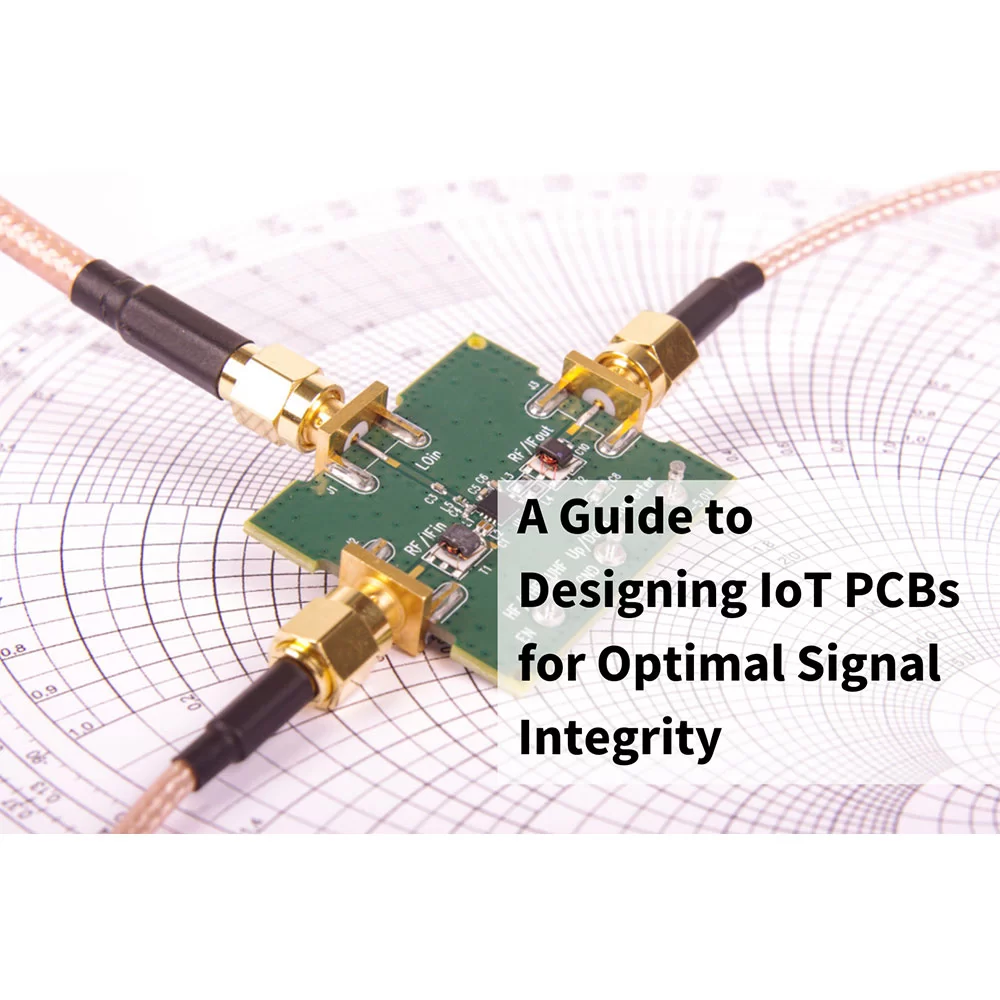
Designing next-generation telecommunications networks, advanced medical devices, or autonomous automotive electronics brings a highly specific set of challenges. Engineers frequently battle impedance mismatches, debilitating dielectric losses, and parasitic capacitance. In these rigorous environments, a single microscopic flaw in the board architecture can jeopardize the entire system’s signal integrity. Furthermore, when project timelines are aggressive, waiting months for complex prototype iterations is simply not an option.
Conquering these bottlenecks requires a manufacturing partner designed for agility without compromising precision. By specializing in rapid prototyping alongside high-mix, low-to-medium volume production, the gap between initial concept and market-ready deployment is drastically shortened. Every project benefits from a world-class infrastructure featuring ISO 9001 certification and UL-recognized product safety. This ensures that even the most intricate high-density interconnection (HDI) designs transition seamlessly from the testing lab to the production floor, delivering uncompromising quality and exceptionally short lead times.
Engineering Standards for High-Frequency & RF Front-End PCB Fabrication
To achieve peak performance in microwave and radio frequency applications, standard manufacturing tolerances are insufficient. Exceptional signal fidelity relies on strict dielectric control, sophisticated layer management, and ultra-precise etching. Below are the definitive technical benchmarks that ensure operational excellence for complex RF architectures.
| Performance Metric | Industry Significance | Our Engineering Standard | Advantage |
|---|---|---|---|
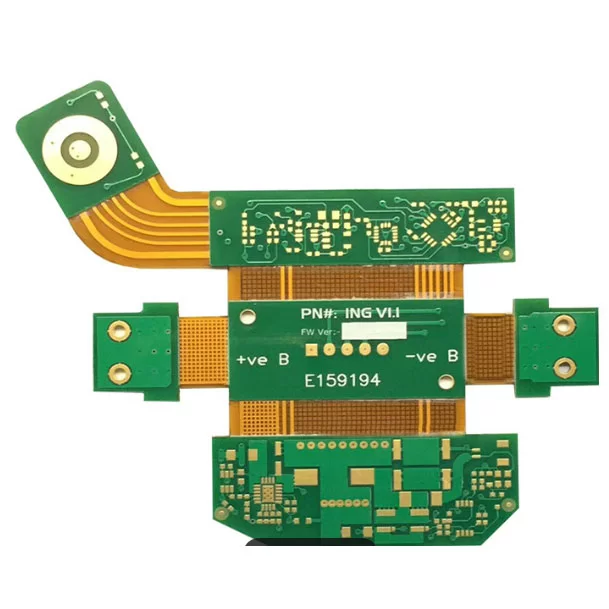
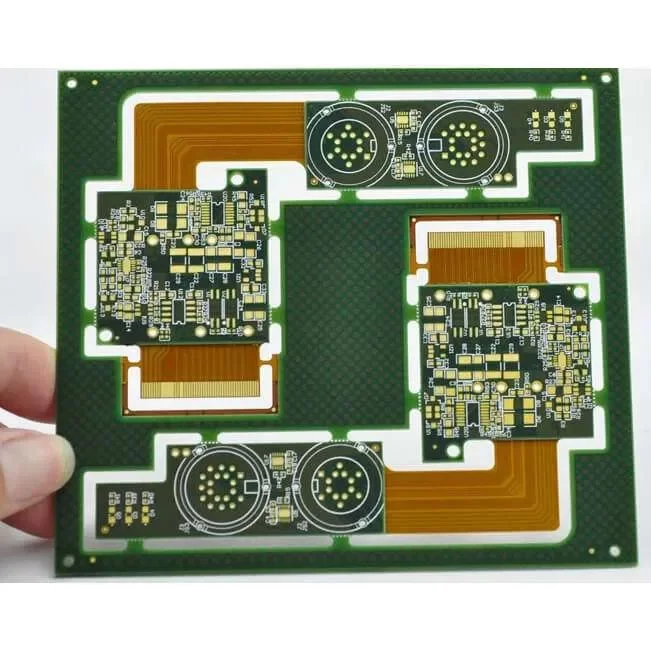
| Multilayer Complexity | Vital for isolating RF signals and preventing crosstalk in dense circuits. | Capable of 1-32 layers, integrating HDI, Rigid-Flex, and Aluminum bases. | Allows for extreme miniaturization in medical and telecommunications equipment. |
| Surface Finish Tolerances | Directly impacts skin effect and insertion loss at gigahertz frequencies. | Advanced, tight-tolerance surface finishes optimized for high-speed transmission. | Ensures long-term reliability and minimal signal degradation in automotive electronics. |
| Trace Width & Spacing | Critical for maintaining exact impedance matching across the entire board. | Fine line width/spacing executed with state-of-the-art manufacturing equipment. | Eliminates reflection losses, maximizing the efficiency of the RF front-end module. |
| Quality & Compliance | Guarantees safety, consistency, and adherence to global regulatory demands. | 100% automated testing backed by ISO 9001 and UL recognized frameworks. | Dramatically reduces first-pass failure rates and field recall risks. |
Maximizing ROI with High-Frequency & RF Front-End PCB Fabrication
Transitioning from a functional prototype to high-mix, low-to-medium volume manufacturing often introduces hidden financial risks. Subpar fabrication can lead to costly late-stage revisions, failed compliance tests, and delayed product launches. However, investing strategically in a specialized, high-speed manufacturing ecosystem transforms these risks into a competitive advantage.
By leveraging one-stop PCB services—from raw fabrication to final assembly—OEMs in the industrial control, telecom, and automotive sectors can significantly lower their total cost of ownership. The combination of short lead times and uncompromising ISO/UL-certified quality means products hit the market faster, capture market share sooner, and perform reliably over their intended lifecycle. The data below illustrates the tangible return on investment when upgrading to an optimized fabrication framework.
Related products

Top Selling Products
Choosing a Reliable PCB Manufacturer for High Performance Electronics
Comprehensive Guide to Printed Circuit Board Design and Fabrication

123456Modern Printed Circuit Board Design and Global Manufacturing Trends123123123