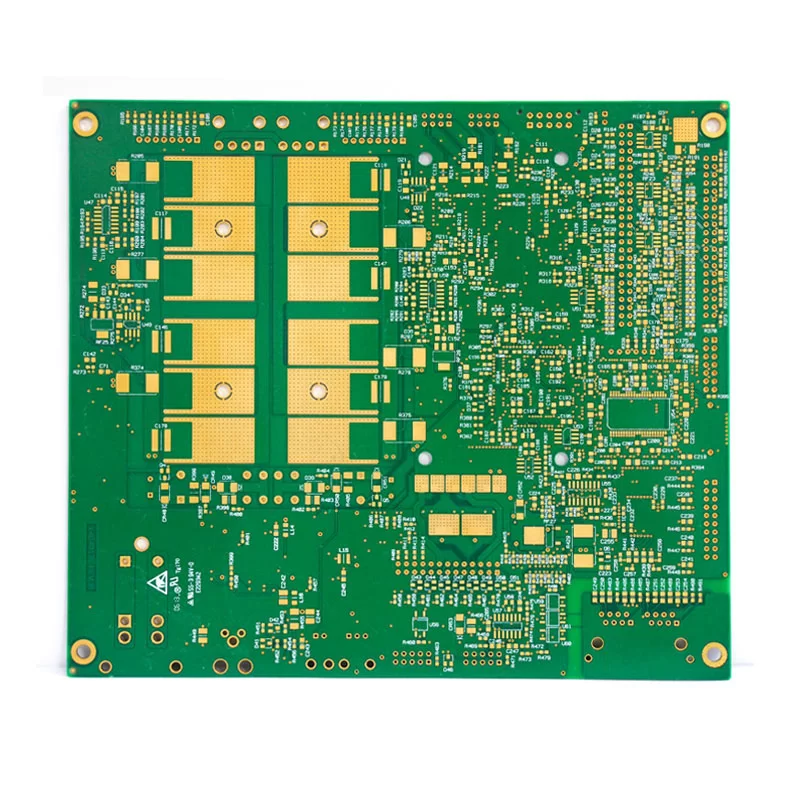
Choosing the Right Bluetooth Motherboards & Micro Circuit Board Engineering Partner
In the highly competitive wireless electronics sector, hardware engineers face a constant, grueling battle: packing complex RF capabilities, processing power, and stable connectivity into increasingly shrinking footprints. Achieving pristine signal integrity without cross-talk in micro-scale wearable or IoT devices can delay product launches by months if the initial prototype fails. Overcoming these spatial and signal limitations requires more than basic manufacturing; it demands an integrated approach to design realization.
Addressing these critical pain points, HUB Circuits has established itself as an authoritative hub in Shenzhen for advanced fabrication. By focusing intensely on rapid prototyping and high-mix, low-to-medium volume PCB fabrication, the operational model is engineered to absorb your most complex design challenges and return a flawless physical product. Equipped with cutting-edge manufacturing and testing equipment, and boasting comprehensive ISO 9001 and UL recognitions, the facility guarantees rigorous product safety and quality management.
Whether you are developing telecommunications hardware, life-saving medical devices, or next-generation automotive electronics, leveraging specialized one-stop PCB services—from fabrication to final assembly—ensures your design intent survives the transition to physical hardware. By prioritizing high-frequency, high-speed, and high-density interconnection (HDI) solutions, you bypass common manufacturing bottlenecks, ensuring your compact wireless devices are built right the first time.
Engineering Standards for Bluetooth Motherboards & Micro Circuit Board Engineering
Technical superiority in the wireless sector requires rigorous adherence to strict fabrication protocols. Miniaturization cannot come at the cost of performance degradation. When evaluating the backbone of your RF and IoT devices, mere compliance is insufficient; you need architectural precision that supports complex layouts within microscopic margins.
To ensure flawless operation in demanding environments such as industrial control and medical telemetry, our manufacturing protocols align with the highest global benchmarks. Below is a detailed breakdown of the technical specifications that guarantee premium performance for compact wireless boards.
| Performance Metric | Industry Significance | Our Engineering Standard | Advantage |
|---|---|---|---|
| High-Density Interconnection (HDI) | Critical for miniaturizing Bluetooth modules without sacrificing processing power. | 1-32 layers with specialized HDI, Flexible, and Rigid-Flex PCB fabrication. | Enables ultra-compact product footprints while maintaining complex, multi-layered signal routing. |
| Signal Integrity & RF Stability | Prevents data packet loss and latency in wireless communications. | Advanced High-frequency and High-speed board engineering protocols. | Ensures zero-loss transmission for critical telecommunications and automotive electronics. |
| Trace & Pitch Precision | Required for mounting micro-BGA components and tiny microcontrollers. | Fine line width/spacing capabilities with advanced surface finishes. | Accommodates ultra-fine pitch components, preventing short circuits in micro-scale assemblies. |
| Quality & Safety Assurance | Ensures long-term durability and international market compliance. | Fully ISO 9001 certified and UL recognized quality management. | Delivers a near-zero defect rate and guarantees global safety compliance out of the box. |
Maximizing ROI with Bluetooth Motherboards & Micro Circuit Board Engineering
Accelerating a product’s journey from the R&D laboratory to the hands of the end-user requires a strategic manufacturing vision. In fast-moving sectors like telecom and consumer electronics, prolonged lead times directly equate to lost market share. By utilizing an agile manufacturing partner specializing in rapid turnarounds, hardware brands can drastically compress their development cycles.
The financial impact of a seamless, one-stop service—handling everything from raw board fabrication to final component assembly—is profound. It eliminates the logistical friction of managing multiple vendors, reduces shipping delays, and prevents miscommunication between fabricator and assembler. This high-mix, low-to-medium volume production capability allows hardware innovators to test markets quickly, iterate designs based on real-world feedback, and scale up efficiently without being locked into massive, risky minimum order quantities (MOQs).
The data clearly illustrates that investing in advanced prototyping capabilities significantly reduces overall time-to-market. By compressing the testing and iteration phases through reliable, high-speed fabrication, companies can launch their wireless products weeks—if not months—ahead of competitors, capturing early revenue and establishing dominant market authority.
Related products


Top Selling Products
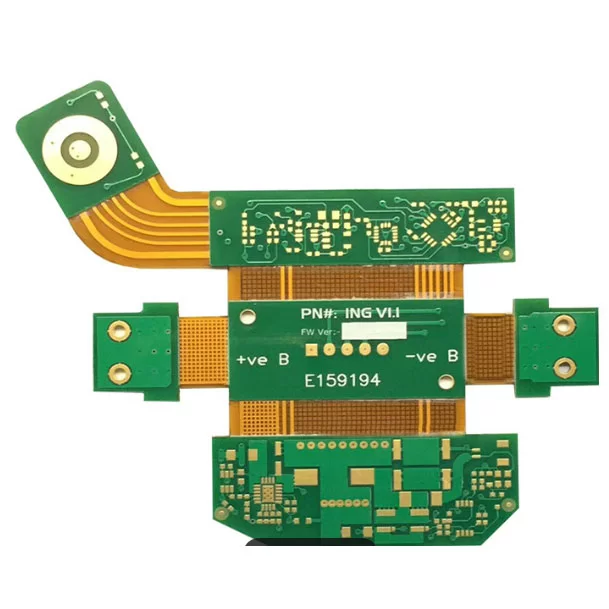
Choosing a Reliable PCB Manufacturer for High Performance Electronics
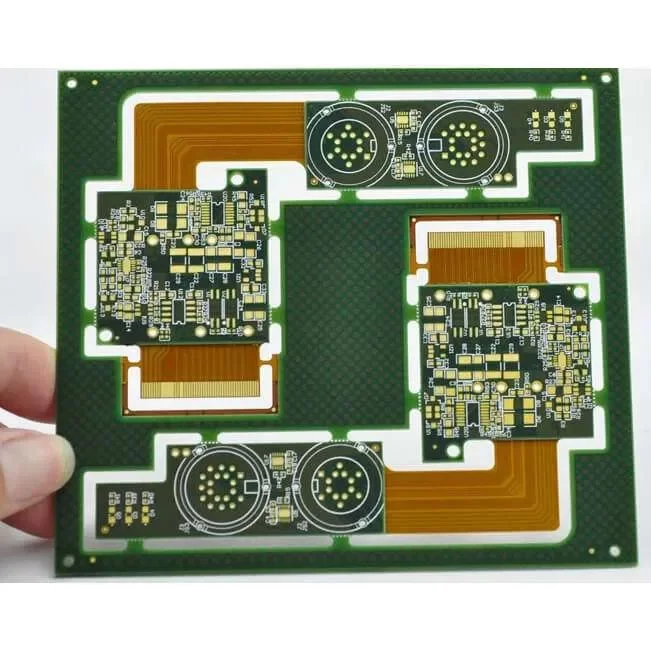
Comprehensive Guide to Printed Circuit Board Design and Fabrication

123456Modern Printed Circuit Board Design and Global Manufacturing Trends123123123