HighReliability Rigid Flex PCB Solutions for Israel’s Tech Hubs

HighReliability Rigid Flex PCB Solutions for Israel’s Tech Hubs

High-Reliability Rigid Flex PCB Solutions for Israel's Tech Hubs

Empowering Israeli aerospace, defense, and medical innovation with advanced electronic interconnect systems tailored for extreme precision.

High-Reliability Rigid Flex PCB Solutions for Israel's Tech Hubs

Integrating cutting-edge material science with precision engineering to provide the Israeli electronics industry with high-density interconnects and robust assembly services.

The Landscape of Electronic Components Manufacturing in Israel

Analyzing the synergy between "Startup Nation" innovation and hardware reliability requirements.

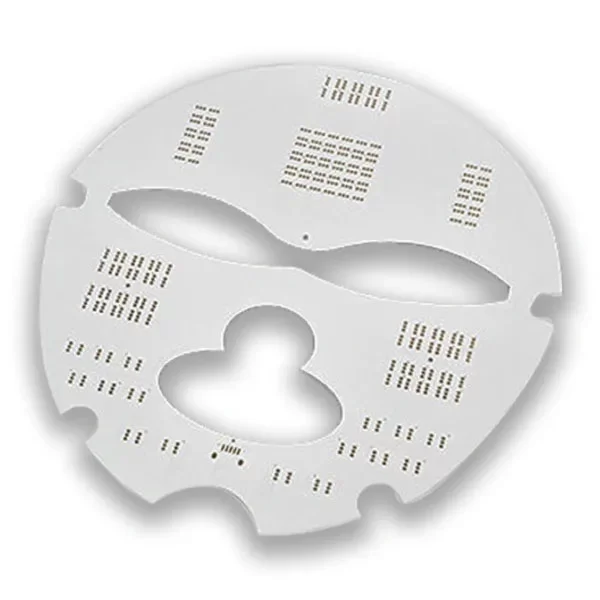
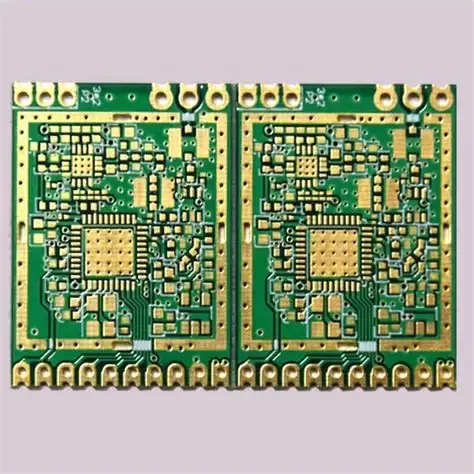
Israel's electronics sector is characterized by a high concentration of R&D centers focusing on defense, cybersecurity, and biotech. The demand for a high-performance Printed Circuit Board is driven by the need for miniaturization in tactical drones and advanced medical implants, where space is a premium and failure is not an option.

Due to the Mediterranean climate and the specific requirements of Middle Eastern military standards, materials must withstand high thermal cycling and humidity. This has led to a surge in the adoption of Semiflex PCB designs that offer a balance between mechanical flexibility and structural rigidity.

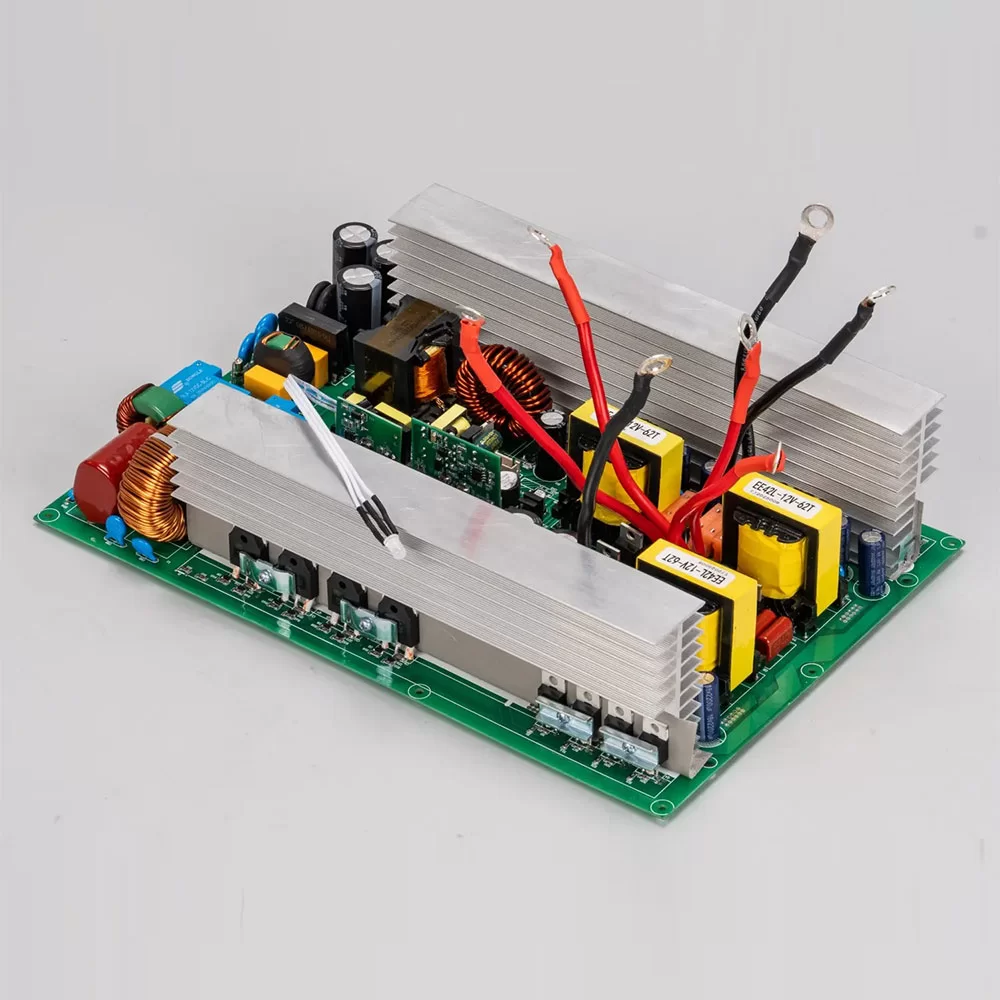
Economically, the region is shifting from pure software dominance to "Deep Tech," necessitating a more robust local supply chain for Auto Electronics PCB Assembly as Israel invests more heavily in autonomous driving and smart mobility frameworks.
Evolution of Interconnect Technology in the Levant

From traditional rigid boards to dynamic hybrid systems.

Market Development History

In the early 2000s, the Israeli market relied heavily on standard rigid substrates for industrial control. As the defense sector evolved towards precision-guided munitions, the transition to multi-layer high-frequency materials became mandatory to reduce signal loss.

By 2010-2015, the rise of wearable medical tech and compact sensors pushed the industry toward flexible circuits. The introduction of Rigid Flex PCB technology allowed designers to eliminate bulky connectors, significantly increasing the MTBF (Mean Time Between Failures).

From 2018 to the present, the focus has shifted toward the electrification of transport. The integration of an electric vehicle wire harness with intelligent control units has become the new benchmark for the regional automotive electronics sector.

Future Development Trends

Additive Manufacturing Integration

The shift toward 3D-printed electronics will allow Israeli startups to prototype complex geometries faster, reducing the lead time for specialized electronic components.

Extreme Environment Hardening

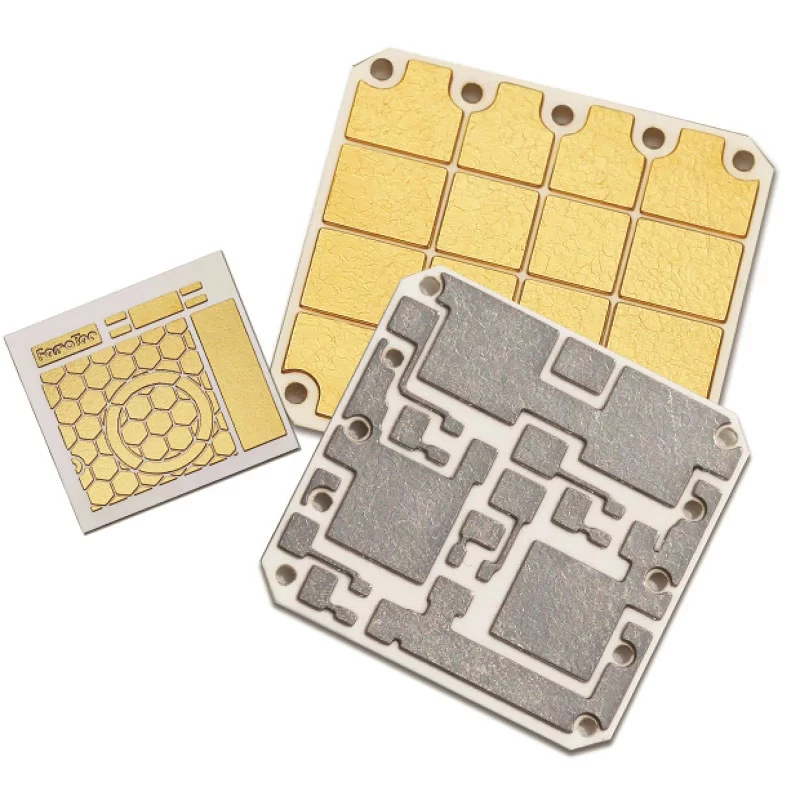
Future iterations of PCBs will utilize advanced ceramic substrates to operate in higher temperatures, essential for the next generation of aerospace engines.

AI-Driven PCB Optimization

Utilizing machine learning for routing and thermal analysis to maximize the efficiency of high-density Printed Circuit Board layouts.

Strategic Outlook for Electronics Manufacturing

Predicting the next 3-5 years of technological convergence in Israel.

EV Infrastructure Surge
Rapid expansion of electric vehicle wire harness systems for smart city charging grids in Tel Aviv and Haifa.
Miniaturized Defense Tech
Shift towards Semiflex PCB for tactical wearables and covert communication devices.
Autonomous Logistics
Advanced Auto Electronics PCB Assembly for autonomous delivery robots in urban centers.
Medical IoT Expansion
High-density Rigid Flex PCB for next-gen implantable bio-sensors.

Industry Outlook

Google search trends indicate a rising interest in "sustainable electronics" and "low-latency hardware" within the Asia-Israel corridor. We expect a shift toward biocompatible materials and energy-efficient circuit designs to meet global ESG standards.

The convergence of 6G research and edge computing will drive a demand for PCBs with extremely low dielectric constants, pushing the boundaries of traditional manufacturing into the realm of molecular engineering.

Local Application Scenarios in Israel

Where our precision electronics meet real-world Israeli challenges.

1. Defense Drone Avionics

Utilizing Rigid Flex PCB to reduce weight and increase reliability in tight UAV chassis, ensuring stable flight control in high-wind environments.

2. MedTech Bio-implants

Deployment of Semiflex PCB in wearable cardiology monitors that require both a stable processing unit and a flexible skin-contact interface.

3. Smart Agriculture Sensors

Implementing ruggedized Printed Circuit Board designs with conformal coating to withstand the arid and salty air of the Negev and coastal regions.

4. EV Charging Infrastructure

High-current electric vehicle wire harness systems for rapid-charging stations, optimizing power delivery for urban electric fleets.

5. ADAS Vehicle Systems

Precision Auto Electronics PCB Assembly for Advanced Driver Assistance Systems, supporting the real-time processing needs of autonomous shuttle prototypes.

Brand Story

Global Development History of Hub Circuits (Shenzhen) Co., Ltd.

Foundation & Vision

Established to bridge the gap between complex electronic design and mass production, focusing on solving the "yield rate" pain point in high-density circuits.

Technological Breakthrough

Mastered the complex lamination process for multi-layer hybrid boards, enabling the production of aerospace-grade interconnects.

Global Expansion

Extended our reach into the Middle East and Asia, establishing strategic partnerships with "Deep Tech" hubs to provide localized support.

Quality Certification

Achieved rigorous international certifications (ISO, IATF 16949), ensuring our assembly meets the strictest automotive and medical standards.

Future Commitment

Dedicated to sustainable manufacturing and AI-integrated quality control to eliminate defects before they leave the factory floor.

Comprehensive Electronic Interconnect Portfolio for Israel

A complete suite of hardware solutions from prototype to mass production.

Local Technical FAQ

Answers to common technical queries from the Israeli electronics community.

What are the advantages of Rigid Flex PCB for defense applications?

They eliminate the need for connectors and cables, reducing weight and removing common points of failure caused by vibration in tactical hardware.

How do you ensure Auto Electronics PCB Assembly quality for EVs?

We adhere to IATF 16949 standards, implementing Automated Optical Inspection (AOI) and X-ray testing to ensure zero-defect assembly for critical vehicle systems.

Can Semiflex PCB be used in medical wearable devices?

Yes, they are ideal for wearables as they provide the necessary flexibility to contour to the human body while maintaining the rigidity needed for component mounting.

What materials are best for a Printed Circuit Board in arid climates?

We recommend high-Tg (Glass Transition Temperature) materials and specialized conformal coatings to prevent oxidation and thermal degradation in hot, dry environments.

How is the electric vehicle wire harness optimized for energy efficiency?

By using lightweight, high-conductivity alloys and precision shielding to minimize electromagnetic interference (EMI) and reduce voltage drop.

What is the typical lead time for complex hybrid PCB prototypes?

Depending on the layer count and material availability, prototypes can typically be delivered within 7-14 business days using our rapid-prototyping line.

Ready to Innovate Your Hardware?

Our engineering team is ready to support your next breakthrough project in Israel. Let's build the future of electronics together.

Contact Us Now

If you are interested in our products, you can choose to leave your information here, and we will be in touch with you shortly.