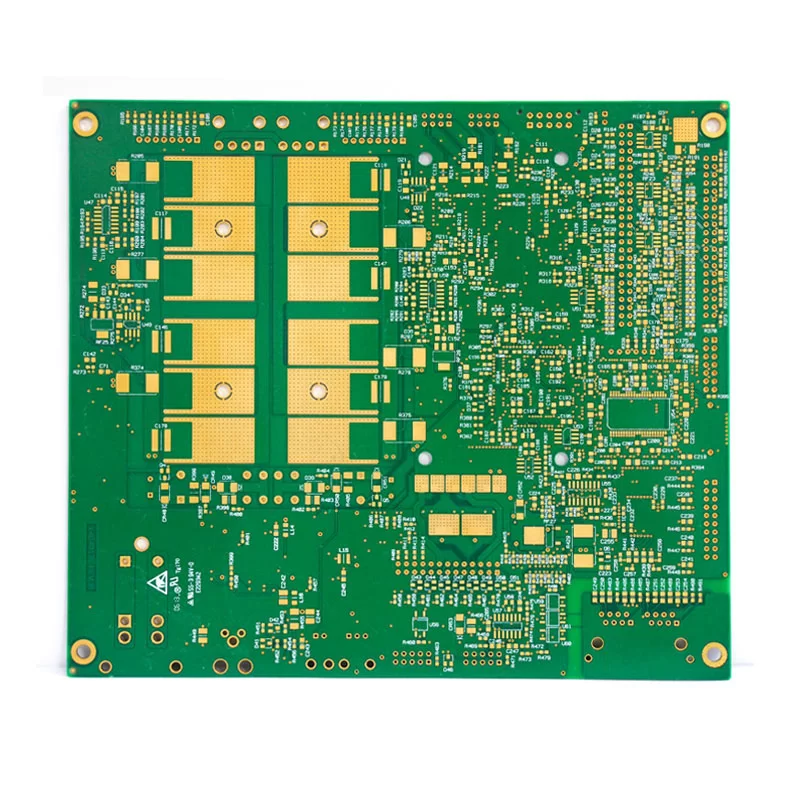
Choosing the Right Flexible (FPCB) & Rigid-Flex Printed Circuit Board Definition
Engineers and product designers frequently encounter severe physical constraints when developing advanced telecommunications hardware, life-saving medical devices, or next-generation automotive electronics. Standard rigid circuit boards simply cannot bend, fold, or twist to fit into these highly compact, three-dimensional product designs without compromising signal integrity or mechanical stability. This structural limitation often forces design compromises, leading to delayed product launches and inflated prototyping costs.
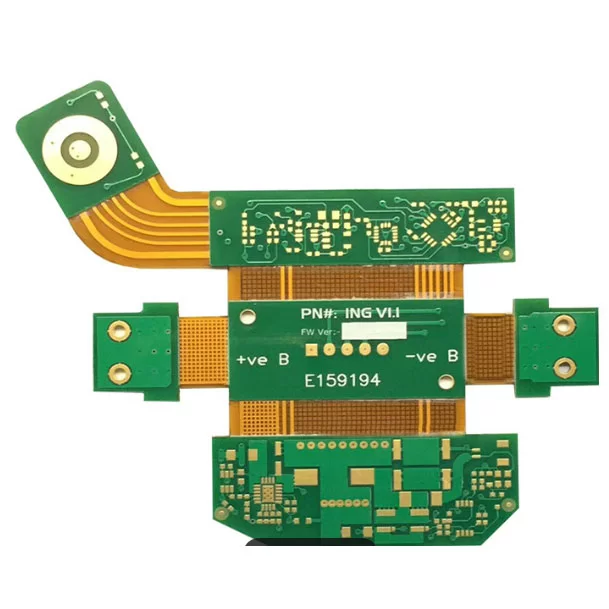
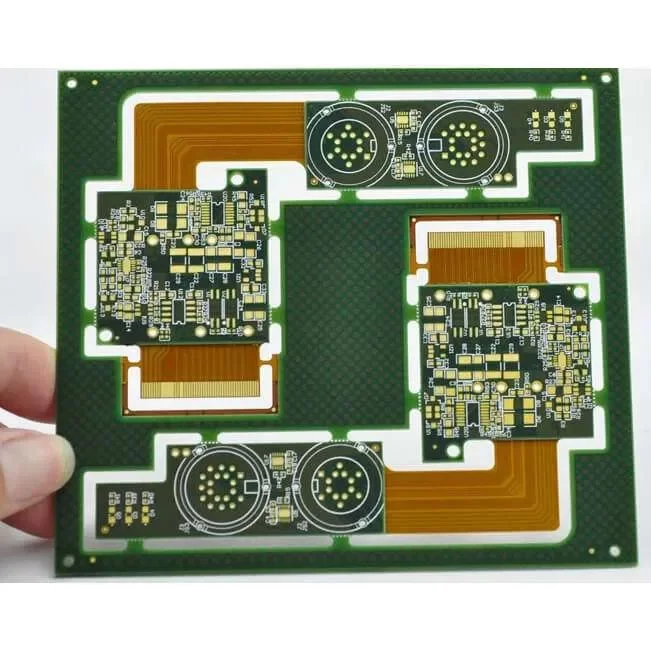
Understanding the precise Flexible (FPCB) & Rigid-Flex Printed Circuit Board Definition is the first step toward resolving these mechanical bottlenecks. By integrating advanced flex and rigid-flex technologies, technical teams can eliminate bulky connectors and wiring harnesses, drastically reducing the overall weight, failure points, and footprint of the device.
To support your critical design phases, our state-of-the-art Shenzhen facility provides a highly targeted solution. Focusing strictly on rapid prototyping and high-mix, low-to-medium volume fabrication, we deliver unmatched reliability and significantly shorter lead times. Backed by full ISO 9001 certification and UL recognized safety standards, we offer complete one-stop turnkey services—from fabrication through assembly—ensuring your high-density interconnection (HDI), high-frequency designs transition seamlessly from concept into a tangible, commercial reality.
Engineering Standards for Flexible (FPCB) & Rigid-Flex Printed Circuit Board Definition
When evaluating the core requirements built into a robust Flexible (FPCB) & Rigid-Flex Printed Circuit Board Definition, technical precision is non-negotiable. Modern industrial control and telecommunication applications demand extreme dimensional stability, high routing density, and flawless signal transmission even under continuous dynamic stress. Utilizing advanced manufacturing and testing equipment allows us to maintain strict tolerances and superior material performance across every batch.
| Performance Metric | Industry Significance | Our Engineering Standard | Advantage |
|---|---|---|---|
| Layer Count Scalability | Determines the routing complexity and space optimization of the PCB. | 1 to 32 layers tailored for FPCB and Rigid-Flex builds. | Enables highly complex HDI routing in severely restricted spaces without trading structural integrity. |
| Line Width & Spacing Tolerances | Crucial for controlling impedance in high-speed, high-frequency circuits. | Ultra-fine line width/spacing production capability. | Minimizes crosstalk and signal loss, ensuring flawless operation for telecommunication and automotive electronics. |
| Quality & Safety Verification | Mitigates risk of catastrophic failure in medical and industrial applications. | ISO 9001 certified & UL recognized process control. | Guarantees global safety compliance and provides highly predictable, repeatable manufacturing yields. |
| Surface Finish Technology | Protects exposed copper tracks and ensures reliable component mounting. | Advanced surface finishes specifically formulated for flex substrates. | Extends shelf life and ensures robust solder joint reliability during one-stop complete assembly. |
Our comprehensive capability in handling specialized thermal materials, combined with our deep expertise in flexible layer alignment, ensures that every flexible and rigid-flex component successfully meets these strictly defined performance benchmarks.
Maximizing ROI with Flexible (FPCB) & Rigid-Flex Printed Circuit Board Definition
Strategically leveraging a comprehensive Flexible (FPCB) & Rigid-Flex Printed Circuit Board Definition extends far beyond basic mechanical layout—it directly influences your product’s long-term financial trajectory. By replacing traditional multi-board rigid systems with unified rigid-flex assemblies, procurement teams can significantly reduce their exact Bill of Materials (BOM). There are fewer connectors to purchase, fewer sub-assemblies to track, and virtually zero labor required for error-prone manual wire routing.
Furthermore, focusing our production infrastructure on rapid prototyping and high-mix, low-to-medium volume fabrication empowers your business to massively accelerate its time-to-market. Faster technological iterations mean reduced R&D expenditure and an earlier entry into aggressively competitive sectors like smart medical devices and automotive systems. This agile, one-stop assembly approach ensures that product capital is deployed efficiently, maximizing your immediate return on investment while maintaining world-class quality standards and dependably short lead times.
Related products


Top Selling Products
-20251121093312.webp "Wired Automotive Combination Switch PCBA")
Choosing a Reliable PCB Manufacturer for High Performance Electronics
Comprehensive Guide to Printed Circuit Board Design and Fabrication

123456Modern Printed Circuit Board Design and Global Manufacturing Trends123123123