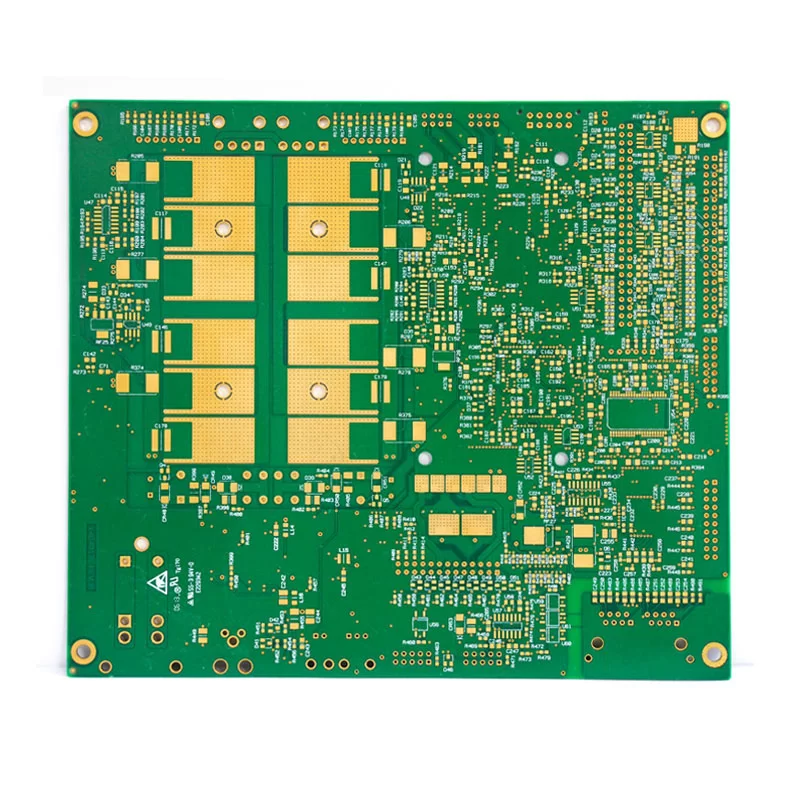
Solving Key Bottlenecks in Digital & Electrical PCB Hardware Design
Engineers today are tasked with a seemingly contradictory mandate: orchestrate increasingly complex high-speed signal routing while maintaining uncompromised power integrity, all while facing impossibly tight go-to-market deadlines. Striking this balance often leads to agonizing delays during the prototyping stage phase. When project managers interact with multiple suppliers for fabrication and subsequent assembly, the risk for miscommunication, latent defects, and sluggish iterations skyrockets, paralyzing the design cycle.
Eliminating these barriers requires a focused integration of manufacturing speed and deep technical capability. By maintaining specialized facilities in Shenzhen dedicated explicitly to rapid prototyping and high-mix, low-to-medium volume fabrication, development teams can bypass traditional logistical friction. Utilizing a complete one-stop setup ensures that even the most complex high-density interconnections flow seamlessly from initial layout to finished assembly. Anchored by ISO 9001 certification and stringent UL recognition, every hardware iteration serves as a secure, fast, and highly reliable stepping stone to your final product launch.
Engineering Standards for Digital & Electrical PCB Hardware Design
Technical maturity dictates the difference between a prototype that barely functions and one scalable for mass deployment. Meeting the rigorous demands of telecommunications, medical equipment, and automotive electronics requires uncompromising adherence to advanced material science and fabrication geometry. Precision in fine line widths and sophisticated surface finishes forms the backbone of signal clarity and prolonged thermal resilience.
| Performance Metric | Industry Significance | Our Engineering Standard | Advantage |
|---|---|---|---|
| Layer Matrix Scalability | Essential for isolating sensitive digital lines from high-current electrical paths. | 1-32 Layer Capability combined with superior HDI technology. | Enables ultra-compact board footprints while virtually eliminating electromagnetic crosstalk. |
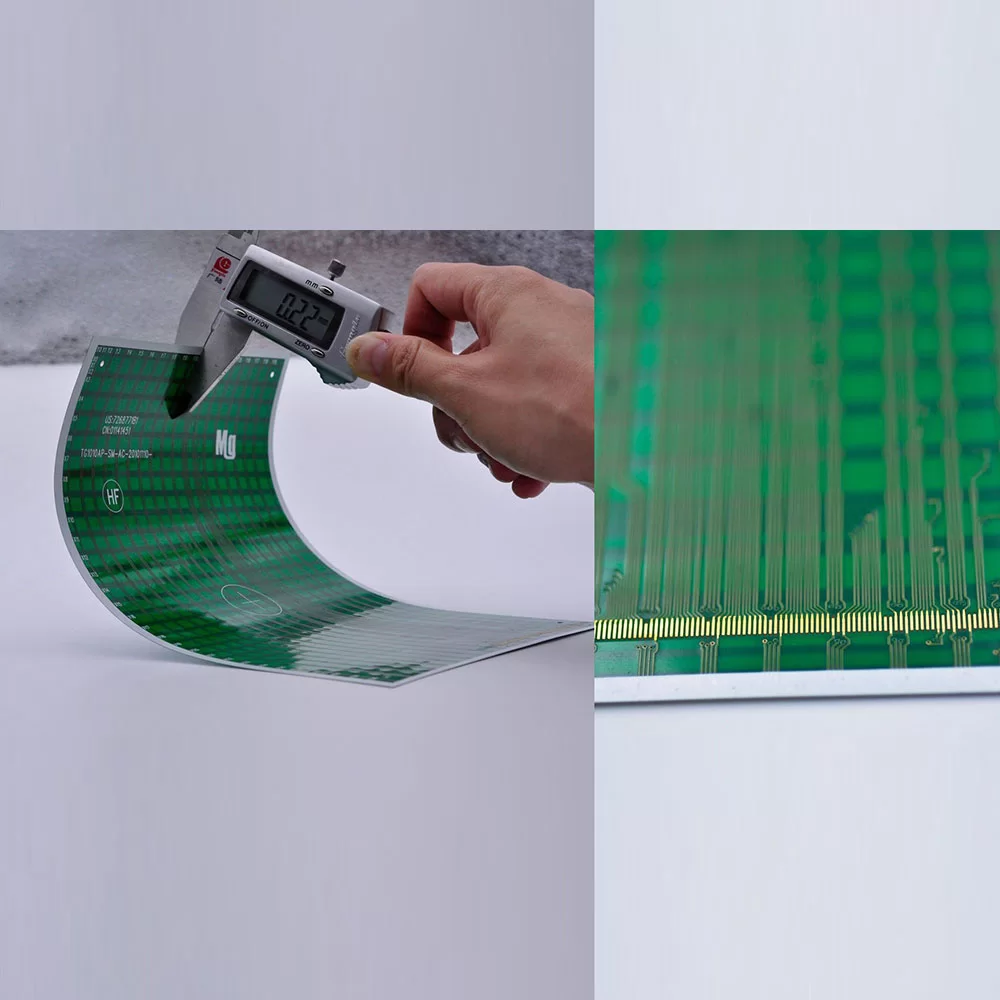
| Substrate Integration | Dictates physical adaptability and thermal load management within constrained chassis. | Full spectrum fabrication of Flexible, Rigid-Flex, and Aluminum base boards. | Provides structural versatility that meets the harsh dynamic stresses of industrial control environments. |
| Velocity of Fulfillment | A critical factor in defending against the rapid obsolescence of modern electronics. | Laser-focused operations on rapid prototyping and high-mix agility. | Compresses standard design validation cycles, allowing engineering teams to test and pivot in days, not weeks. |
| Operational Reliability | Pre-requisite for components deployed in life-critical or mission-critical infrastructures. | Continuous quality assurance via ISO 9001 and UL recognized protocols. | Guarantees baseline product safety, drastically reducing field-failure rates for global deployments. |
Maximizing ROI with Digital & Electrical PCB Hardware Design
Visionary hardware development extends beyond mere technical specifications; it directly impacts economic viability and long-term market capture. Every delay incurred during multi-vendor handoffs translates directly into bloated engineering hours and lost launch momentum. Sourcing a dedicated fabrication-to-assembly partner effectively shifts an organization’s resources away from supply-chain management back to core innovation.
The financial leverage gained by utilizing high-mix, low-to-medium volume specialization is transformative. By mitigating the defect rates inherently linked to fragmented manufacturing processes and dramatically cutting down lead times through an integrated facility, companies drastically reduce total cost of ownership. The data clearly illustrates how unified engineering environments yield a tangible competitive and financial advantage across the entire hardware lifecycle.
Related products

Top Selling Products
-20251121093821.webp "Wireless Automotive Combination Switch PCBA")
Choosing a Reliable PCB Manufacturer for High Performance Electronics
Comprehensive Guide to Printed Circuit Board Design and Fabrication

123456Modern Printed Circuit Board Design and Global Manufacturing Trends123123123