Advanced Rigid Flex PCB Solutions for German Industrial Excellence

Advanced Rigid Flex PCB Solutions for German Industrial Excellence

Advanced Rigid Flex PCB Solutions for German Industrial Excellence

Engineering high-precision interconnect systems tailored for Germany's automotive and automation sectors, ensuring maximum reliability under extreme industrial conditions.

Advanced Rigid Flex PCB Solutions for German Industrial Excellence

Delivering cutting-edge electronic interconnectivity and Printed Circuit Board fabrication that meets the stringent DIN and ISO standards required by the German manufacturing landscape.

The State of Electronics Manufacturing in Germany

Analyzing the intersection of "Industrie 4.0" and high-density interconnect technology.

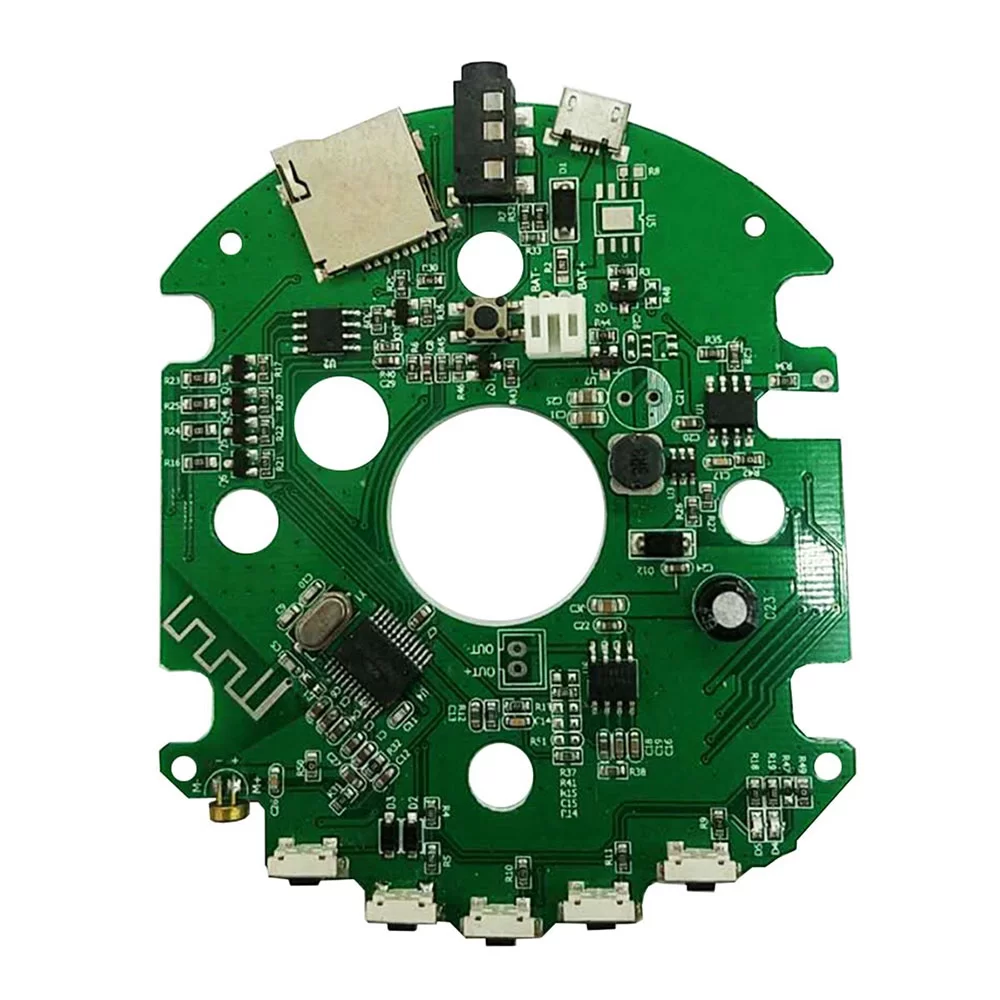
Germany's electronics sector is currently defined by the transition toward smart manufacturing. The demand for Auto Electronics PCB Assembly has surged as the nation pivots from internal combustion engines to electric mobility, requiring circuits that can withstand higher thermal loads and tighter spatial constraints.

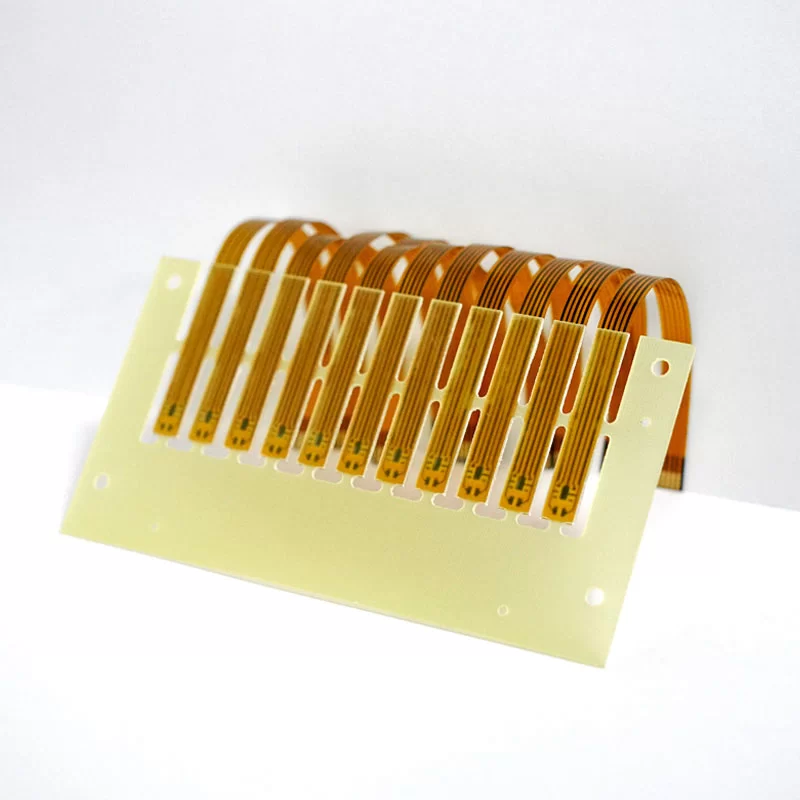
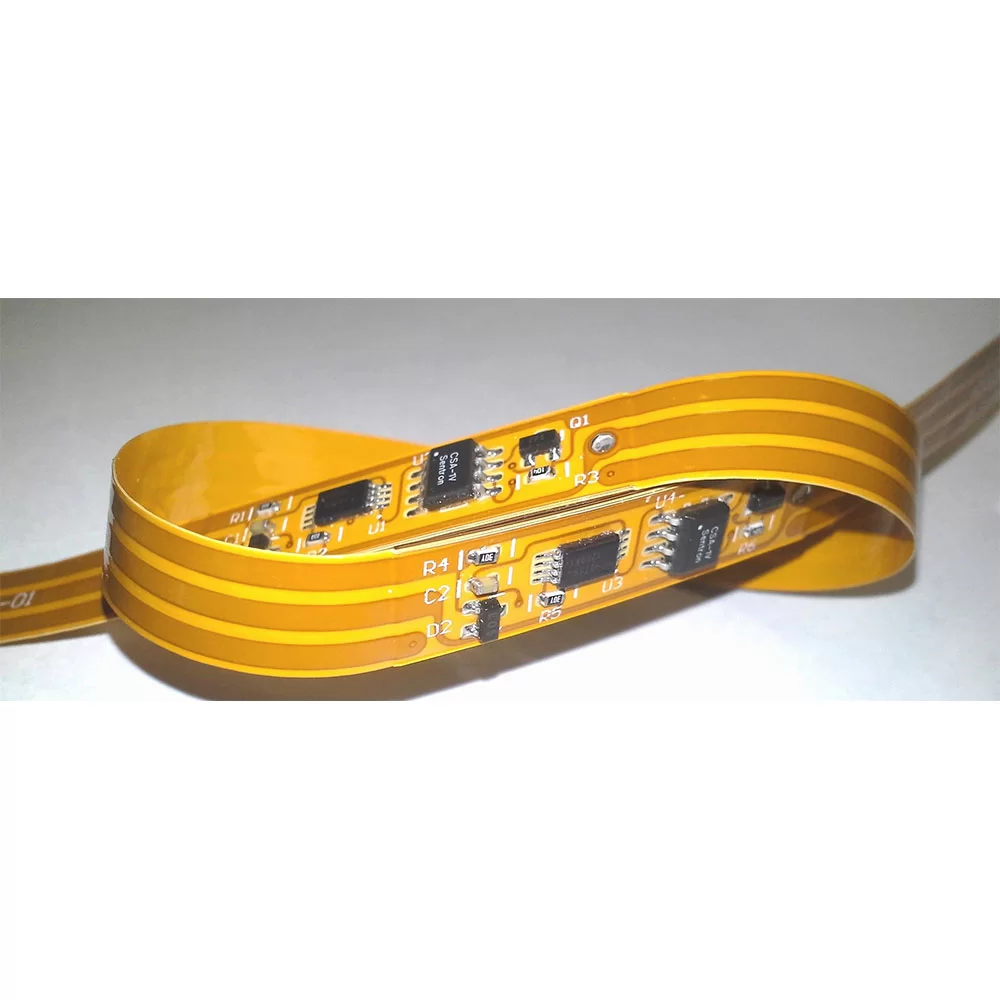
The local market is characterized by a relentless pursuit of precision. German OEMs demand zero-defect policies, pushing the adoption of Semiflex PCB designs to reduce connector failure points in vibrating industrial environments, such as CNC machinery and robotic arms.

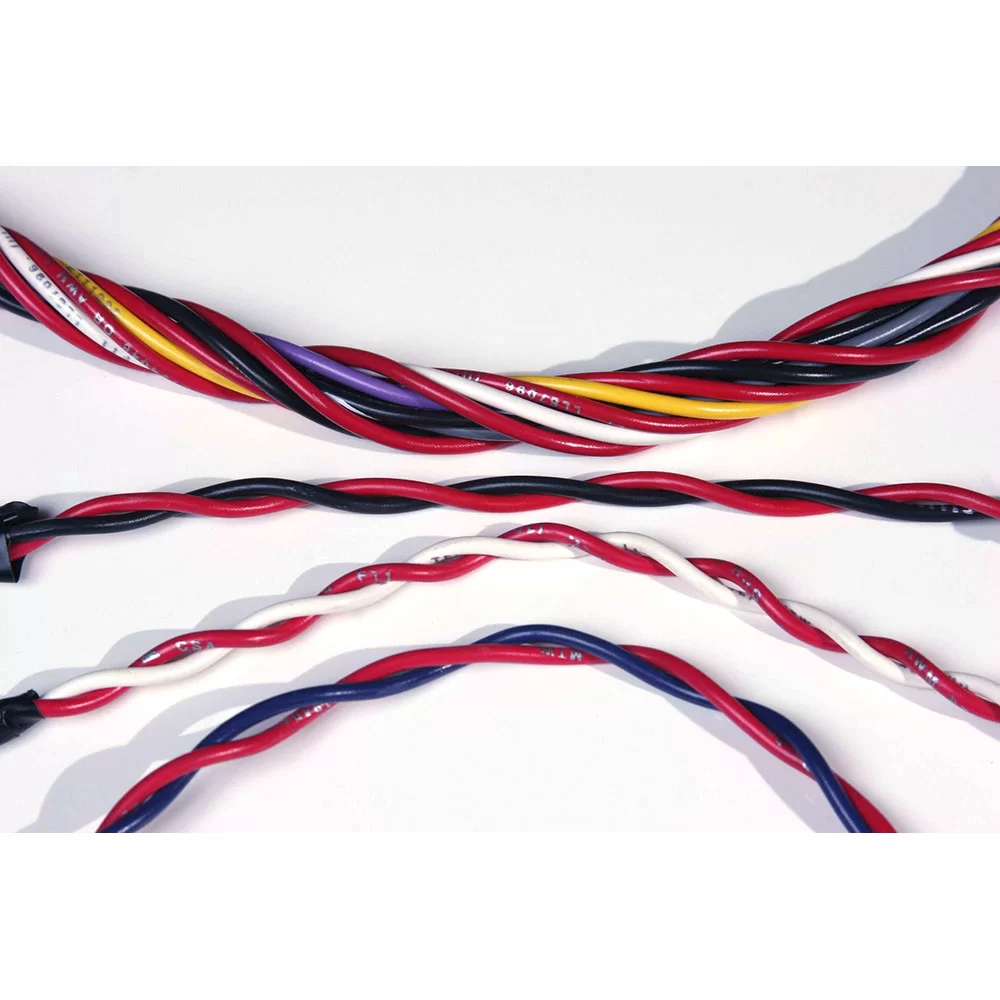
Economic pressures and the drive for sustainability are leading German firms to optimize material usage. This has accelerated the move toward integrated electric vehicle wire harness systems that merge power distribution with signal transmission to reduce vehicle weight and increase efficiency.
Evolution and Trajectory of PCB Technology

From traditional rigid substrates to the era of multi-functional flexible integration.

Market Development History

In the early 2000s, the German market relied heavily on standard rigid PCBs for automotive ECUs. The focus was on durability and basic signal integrity, utilizing traditional through-hole technology for heavy-duty industrial applications.

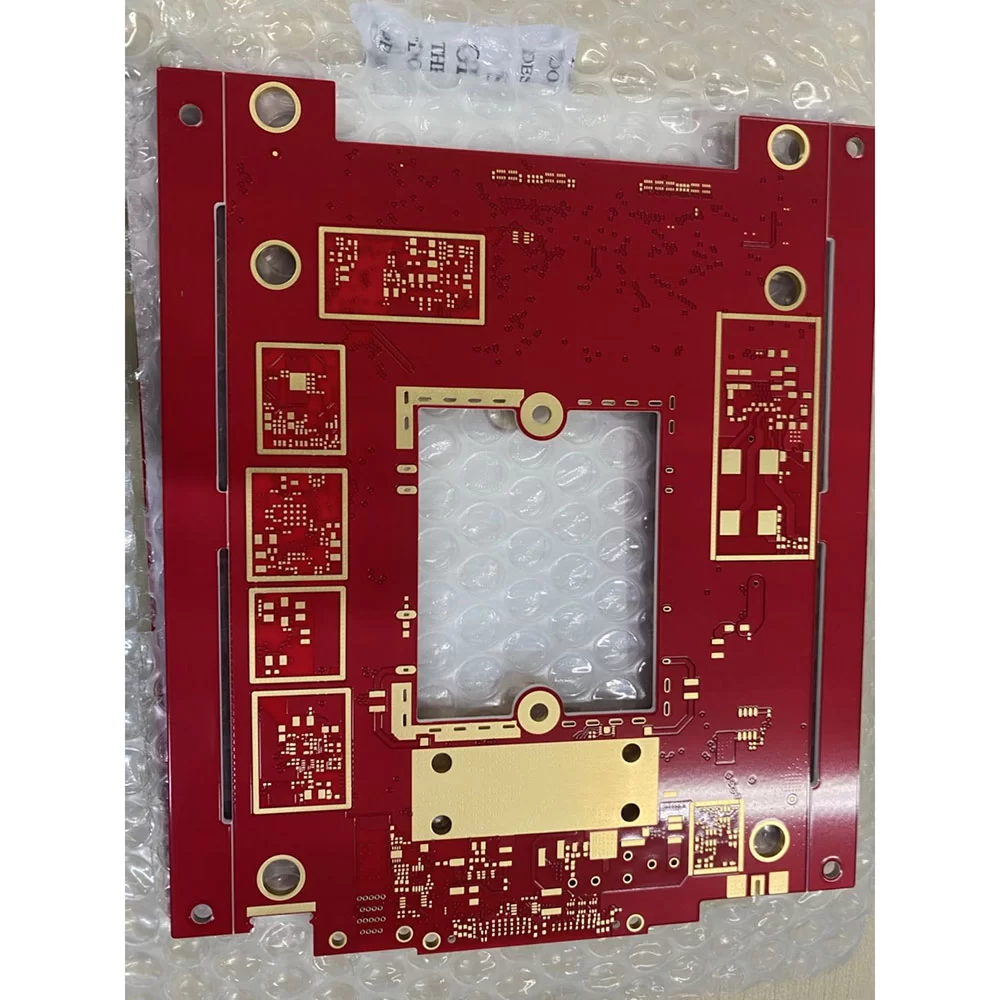
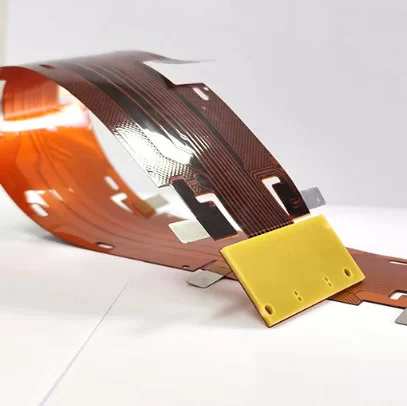
Between 2010 and 2020, the rise of compact consumer electronics and advanced ADAS (Advanced Driver Assistance Systems) forced a shift toward HDI (High-Density Interconnect). This period saw the widespread adoption of Rigid Flex PCB to eliminate bulky wire connectors in cramped engine compartments.

Post-2020, the integration of AI and IoT into German "Mittelstand" machinery has transitioned the industry toward systemic integration, where the PCB is no longer just a component but a structural part of the device architecture.

Future Development Trends

Embedded Components Integration

We predict a move toward embedding passive components directly into the substrate to save space and reduce parasitic inductance in high-frequency German telecommunications gear.

Sustainable Bio-based Substrates

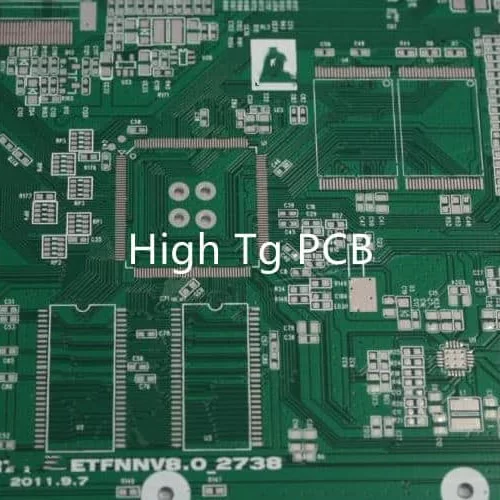
Driven by EU environmental regulations, there is a growing trend toward halogen-free and recyclable materials for all Printed Circuit Board production.

High-Voltage Thermal Management

As EV charging speeds increase, the development of ceramic-filled substrates will be critical to handle the heat generated in high-power automotive assemblies.

Industry Trends and Future Outlook

Navigating the shift toward autonomous mobility and cognitive industrial automation.

Electrification Surge
The massive shift toward EVs in Germany is driving demand for high-current electric vehicle wire harness systems.
Miniaturization 2.0
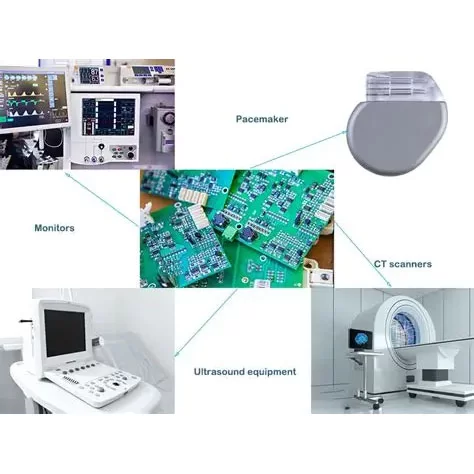
Integration of Semiflex PCB to allow complex 3D folding in medical and aerospace devices.
Smart Factory Nodes
Deployment of high-reliability Auto Electronics PCB Assembly techniques for factory floor sensors.
Signal Integrity
Advancements in low-loss materials to support 6G and high-speed rail communication systems in Europe.

Industry Outlook

Based on Google search trends in the DACH region, there is a marked increase in queries regarding "Sustainable PCB Manufacturing" and "Automotive Grade HDI". This indicates that German engineers are prioritizing longevity and environmental compliance over raw cost reduction.

The next 3-5 years will likely see the convergence of power electronics and signal processing into a single hybrid substrate, reducing the need for separate modules and enabling a more seamless integration of AI at the edge.

Localized Application Scenarios in Germany

Real-world implementations of advanced circuitry in Germany's leading industries.

01. BMW & Mercedes-EV Powertrain Control

Utilizing high-voltage electric vehicle wire harness and thermal-resistant PCBs to manage battery energy distribution in premium electric sedans.

02. Siemens Industrial Automation Controllers

Implementing Rigid Flex PCB to create compact, vibration-proof control modules for factory robots in Bavaria.

03. Bosch Medical Diagnostic Equipment

Designing Semiflex PCB for wearable health monitors that require flexibility to conform to human anatomy while maintaining signal precision.

04. Deutsche Bahn Signal Systems

Deploying ruggedized Printed Circuit Board assemblies that can withstand extreme temperature fluctuations across the German rail network.

05. Continental Automotive Cockpit Electronics

Advanced Auto Electronics PCB Assembly for curved digital instrument clusters, integrating OLED displays with seamless interconnects.

Brand Story

Global Development History of Hub Circuits (Shenzhen) Co., Ltd.

Foundational Engineering

Established with a mission to bridge the gap between complex circuit design and scalable manufacturing, focusing on precision tolerances.

Technological Diversification

Expanded capabilities from standard boards to high-complexity Rigid Flex PCB, catering to the aerospace sector.

Global Quality Standardization

Achieved international certifications to align with German and European automotive safety standards (IATF 16949).

Innovation Hub Expansion

Developed specialized lines for Auto Electronics PCB Assembly to support the global EV transition.

Sustainable Future Vision

Committing to carbon-neutral production processes to support the "Green Deal" initiatives of our European partners.

Comprehensive Interconnect Portfolio for Germany

A full suite of electronic components engineered for the highest industrial reliability.

Common Inquiries for the German Market

Technical answers to the most frequent challenges in PCB procurement and design.

What are the benefits of using Rigid Flex PCB in automotive sensors?

Rigid-flex designs eliminate the need for connectors and cables, significantly reducing the risk of failure due to vibration and reducing the overall weight of the sensor module.

How do you ensure Auto Electronics PCB Assembly meets IATF 16949 standards?

We implement strict traceability for every component and utilize automated optical inspection (AOI) and X-ray testing to ensure 100% compliance with automotive safety requirements.

Can Semiflex PCB withstand extreme German winter temperatures?

Yes, by using specialized polyimide materials and flexible adhesives, our semi-flex boards are rated for operation from -40°C to +125°C.

What is the typical lead time for a custom Printed Circuit Board prototype for German OEMs?

For rapid prototyping, we offer an expedited track with a typical lead time of 5-10 business days, including shipping to Germany.

How is the durability of an electric vehicle wire harness tested?

Our harnesses undergo rigorous salt spray tests, thermal cycling, and mechanical stress testing to ensure they survive the lifetime of the vehicle.

Do you provide DFM (Design for Manufacturing) support for complex German electronics projects?

Absolutely. Our engineering team provides full DFM reviews to optimize your layout for yield and reliability before mass production begins.

Partner with the Experts in Precision Electronics

Ready to elevate your hardware architecture? Our technical team is available to support your manufacturing needs in Germany.

Contact Us Now

If you are interested in our products, you can choose to leave your information here, and we will be in touch with you shortly.