Advanced Rigid Flex PCB Solutions for Poland’s Industrial Innovation

Advanced Rigid Flex PCB Solutions for Poland’s Industrial Innovation

Advanced Rigid Flex PCB Solutions for Poland's Industrial Innovation

Empowering the Polish electronics sector with high-precision interconnect technology and automotive-grade assembly services.

Advanced Rigid Flex PCB Solutions for Poland's Industrial Innovation

Providing cutting-edge circuit board engineering and assembly to meet the rigorous demands of the European electronics market, specifically tailored for Poland's growing tech hubs.

The Landscape of Electronic Component Manufacturing in Poland

Analyzing the synergy between Central European logistics and high-tech electronics production.

Poland has emerged as a strategic hub for the European electronics industry, leveraging its geographic position to serve as a bridge between Western European design houses and Eastern European manufacturing clusters. The local demand for high-quality Printed Circuit Board fabrication has surged, driven by the rapid expansion of the automotive and aerospace sectors in cities like Wrocław and Kraków.

Environmental factors and strict EU regulations have pushed Polish manufacturers toward higher efficiency and sustainability. This has led to an increased adoption of Semiflex PCB designs that reduce material waste and improve thermal management in the variable temperate climate of the region.

Moreover, the influx of foreign direct investment in the "Battery Valley" of Poland has created a critical need for specialized electric vehicle wire harness systems, integrating complex circuitry with robust physical protection to withstand the harsh road conditions of Central Europe.
Evolution of PCB Technology in the Polish Market

From traditional rigid boards to integrated flexible electronics.

Market Development History

In the early 2000s, the Polish market was dominated by simple single-sided and double-sided boards. The focus was primarily on cost-effective consumer electronics, utilizing basic Printed Circuit Board technology for home appliances.

By 2010-2015, the shift toward industrial automation and the growth of the Polish automotive cluster necessitated a transition to multi-layer boards and the introduction of Auto Electronics PCB Assembly to support the increasing complexity of Engine Control Units (ECUs).

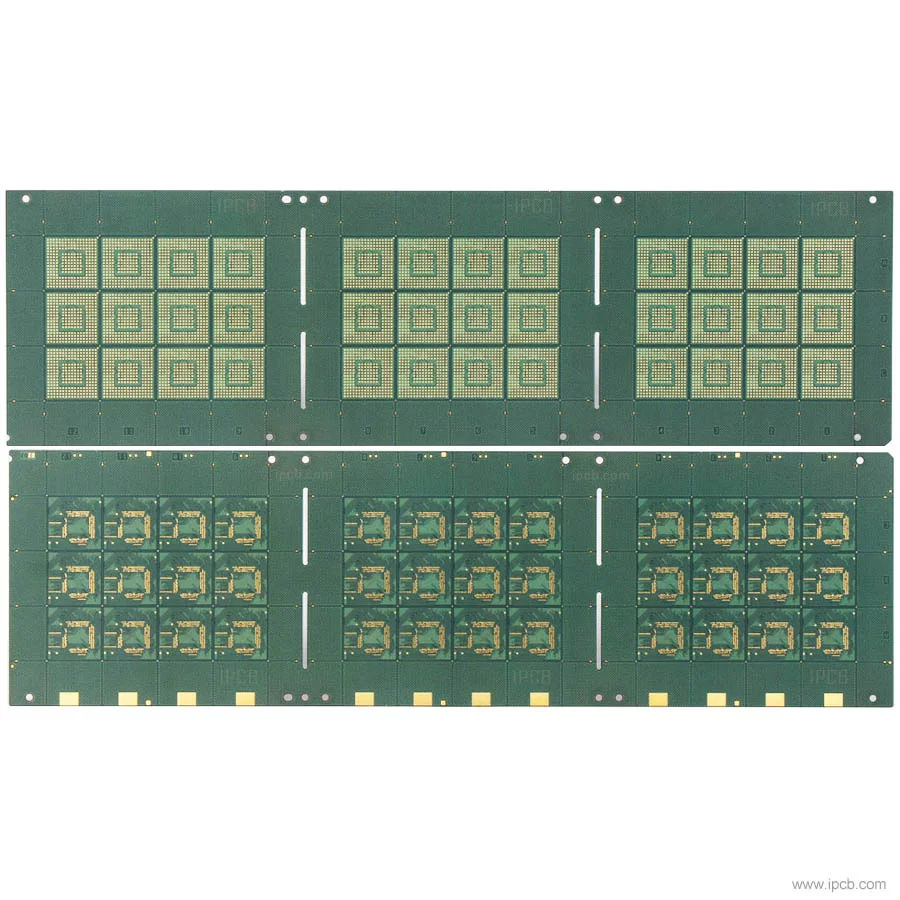
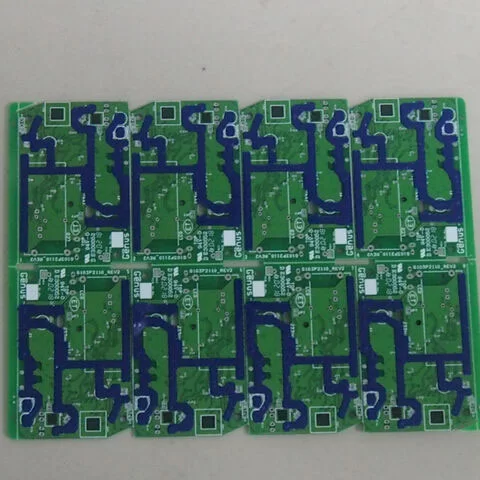
From 2018 to the present, the trend has moved toward miniaturization and high-reliability systems. The adoption of Rigid Flex PCB has become standard for high-end medical devices and EV power modules, eliminating the need for bulky connectors.

Future Development Trends

Integration of AI in PCB Design

Increasing use of AI-driven routing to optimize signal integrity for 5G infrastructure across Poland's urban centers.

Sustainability and Halogen-Free Materials

A shift toward bio-based resins and recyclable substrates to align with the European Green Deal.

High-Voltage Architecture for EVs

Development of advanced electric vehicle wire harness solutions that support 800V architectures for faster charging.

Industry Trends and Future Outlook

Navigating the next frontier of electronic interconnects in Poland.

EV Ecosystem Expansion
Accelerated growth in electric vehicle wire harness demand as Poland scales its battery gigafactories.
Miniaturization Trend
Shift towards Semiflex PCB to optimize space in wearable medical tech and IoT sensors.
Automotive 4.0
Advanced Auto Electronics PCB Assembly integrating LiDAR and ADAS modules for autonomous driving.
Hybrid Interconnects
Increasing demand for Rigid Flex PCB to reduce failure points in vibrating industrial environments.

Industry Outlook

Based on current search trends and industrial growth in Poland, the next 3-5 years will see a massive pivot toward "Smart Factory" components. This involves a synergistic approach where the PCB is no longer just a carrier but a structural element of the device.

We predict that the integration of high-density interconnects (HDI) and flexible substrates will grow by 15% annually, as Polish OEMs aim to compete with global standards in the electric mobility and aerospace sectors.

Localized Application Scenarios in Poland

Real-world implementation of advanced electronics in Polish industries.

1. EV Battery Management Systems (BMS)

Utilizing Rigid Flex PCB to monitor cell voltage and temperature in the battery packs of EVs produced in Polish gigafactories.

2. Industrial Automation Sensors

Implementing Semiflex PCB in robotic arms for automotive assembly lines in Upper Silesia to ensure durability during repeated motion.

3. Autonomous Vehicle LiDAR Modules

High-precision Auto Electronics PCB Assembly for sensor arrays used in smart city pilot projects in Warsaw.

4. Aerospace Control Systems

Using multi-layer Printed Circuit Board technology for avionics systems developed by Poland's aerospace defense sector.

5. High-Voltage Power Distribution

Deploying rugged electric vehicle wire harness systems for electric buses and public transport infrastructure in Polish municipalities.

Brand Story

Global Development Journey of Hub Circuits (Shenzhen) Co., Ltd.

Founding Vision

Established in Shenzhen, we set out to bridge the gap between complex circuit design and scalable industrial manufacturing.

Technical Breakthroughs

Pioneered high-reliability fabrication techniques for rigid-flex substrates, solving the pain point of signal loss in compact devices.

Global Market Expansion

Extended our reach into the European market, specializing in the stringent requirements of Polish and German automotive standards.

Quality Certification

Achieved IATF 16949 and ISO certifications to ensure every assembly meets global safety and performance benchmarks.

Sustainable Future

Committing to green manufacturing to support the ecological transition of the electronic components industry worldwide.

Comprehensive Electronic Solutions for the Polish Market

A full portfolio of interconnect technologies designed for European industrial excellence.

Common Questions for PCB Manufacturing in Poland

Expert answers to technical and logistical queries from our local partners.

What are the benefits of Rigid Flex PCB for Polish automotive OEMs?

Rigid Flex boards reduce the need for connectors and cables, significantly lowering the risk of failure due to vibrations and reducing the overall weight of the electronic assembly.

How do you ensure Auto Electronics PCB Assembly quality for EU standards?

We adhere to IATF 16949 standards, employing AOI (Automated Optical Inspection) and X-ray testing to ensure zero-defect production for critical safety modules.

Can you produce customized electric vehicle wire harness for specific EV models?

Yes, we provide end-to-end customization from routing design to final assembly, ensuring electromagnetic compatibility (EMC) for high-voltage systems.

What is the typical lead time for Printed Circuit Board shipping to Poland?

Depending on complexity, fabrication takes 5-15 business days, with expedited air freight to Poland typically taking an additional 3-7 days.

When should I choose a Semiflex PCB over a standard Rigid board?

Choose Semiflex when you need a board that can be slightly bent or fit into a non-planar enclosure without the full cost of a Rigid-Flex design.

Do your materials comply with RoHS and REACH regulations for the European market?

Absolutely. All our substrates and finishes are 100% RoHS and REACH compliant, ensuring a safe and legal supply chain for all Polish clients.

Consult Our Engineering Experts Today

Ready to optimize your electronic production in Poland? Our team is here to provide technical support and customized quotes.

Contact Us Now

If you are interested in our products, you can choose to leave your information here, and we will be in touch with you shortly.