Advanced Rigid Flex PCB Solutions for Japan’s Electronics Industry

Advanced Rigid Flex PCB Solutions for Japan’s Electronics Industry

Advanced Rigid Flex PCB Solutions for Japan's Electronics Industry

Empowering Japanese precision engineering with high-reliability interconnect technologies for automotive, robotics, and consumer electronics.

Advanced Rigid Flex PCB Solutions for Japan's Electronics Industry

Providing cutting-edge circuitry and assembly services tailored to the rigorous quality standards of the Japanese manufacturing sector, focusing on miniaturization and extreme durability.

Current State of Electronics Manufacturing in Japan

Analyzing the intersection of traditional "Monozukuri" and modern digital transformation.

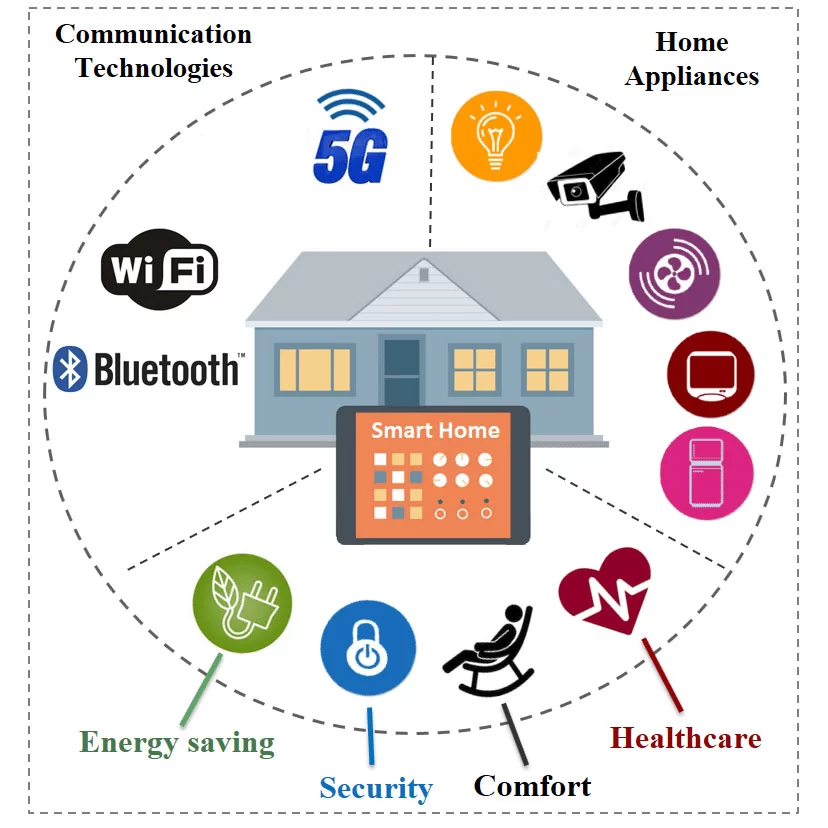
Japan's electronics landscape is currently characterized by a transition toward high-value, specialized components. The industry leverages a legacy of precision, but faces pressure to integrate Printed Circuit Board technologies that support the rapid shift toward IoT and 5G infrastructure across Tokyo and Osaka hubs.

In the automotive sector, Japan's commitment to hybrid and fully electric platforms has surged the demand for Auto Electronics PCB Assembly. The regional focus is now on reducing weight and increasing heat dissipation to meet strict energy efficiency regulations.

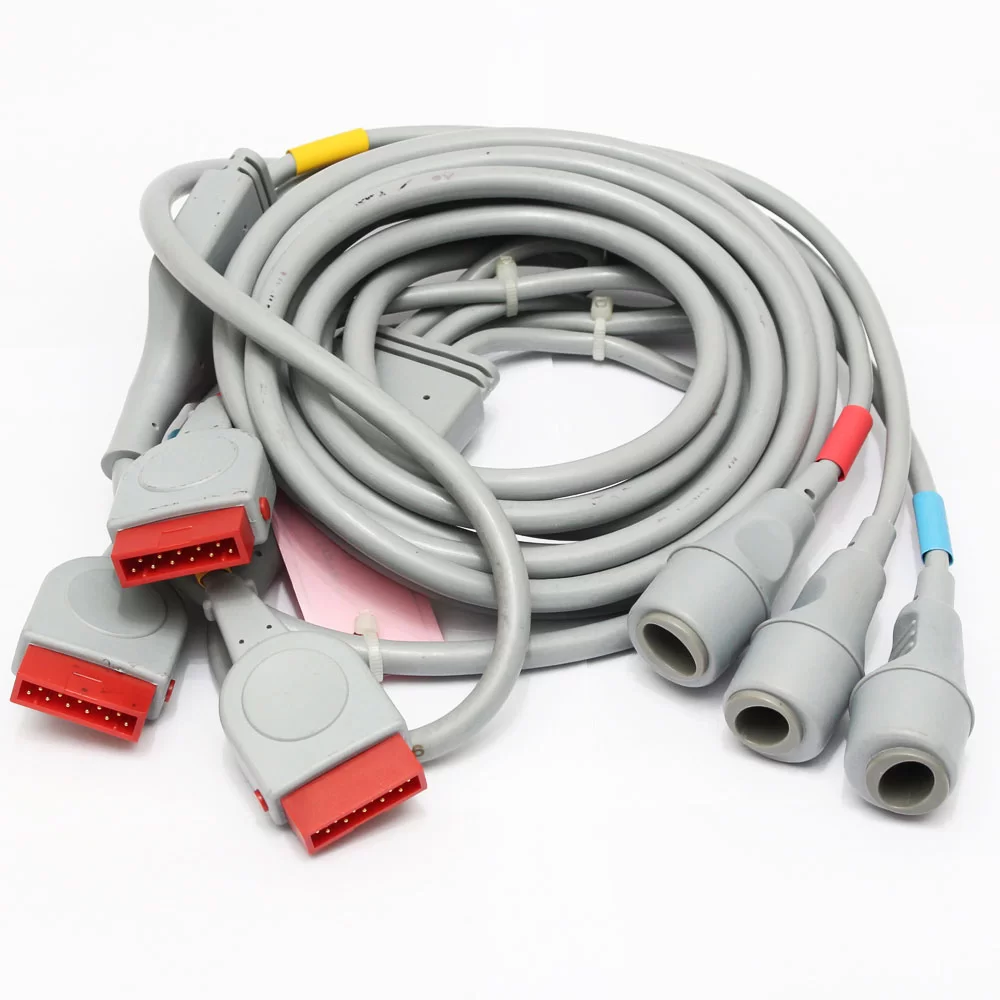
Furthermore, the adoption of electric vehicle wire harness systems is evolving. Manufacturers are moving away from bulky traditional wiring toward integrated electronic architectures to optimize space in compact Japanese vehicle designs.
Evolution and Technical Trajectory of PCB in Japan

From monolithic boards to dynamic, multi-dimensional interconnects.

Market Development History

From 1980 to 2000, Japan dominated the global market with high-density rigid boards, focusing on the consumer electronics boom. This era established the gold standard for reliability in Printed Circuit Board fabrication.

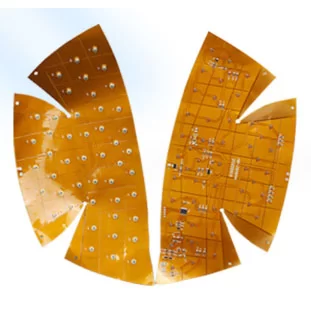
Between 2000 and 2015, the need for portability led to the rise of Semiflex PCB. This hybrid approach allowed Japanese engineers to fold components into tighter enclosures for mobile devices and medical equipment.

Since 2015, the paradigm has shifted toward fully integrated Rigid Flex PCB architectures, eliminating the need for connectors and reducing signal loss in high-frequency applications.

Future Development Trends

Additive Manufacturing Integration

Shift toward 3D printed electronics to create non-planar circuits that fit perfectly within complex mechanical housings.

AI-Driven Design Optimization

Using machine learning to optimize trace routing for thermal management and electromagnetic interference (EMI) reduction.

Sustainable Material Adoption

Transitioning to halogen-free and biodegradable substrates to align with Japan's strict environmental goals.

Industry Trends and Future Outlook

Strategic forecasting based on Google search trends and industrial demand in East Asia.

Automotive Electrification
Rapid growth in electric vehicle wire harness demand as Japan accelerates its EV roadmap.
Miniaturization 2.0
Increased reliance on Semiflex PCB for medical wearables and compact robotics.
Smart Assembly
Integrating AI vision in Auto Electronics PCB Assembly to ensure zero-defect production.
High-Frequency Interconnects
Development of ultra-low-loss materials for the next generation of 6G prototypes.

Industry Outlook

Over the next 3-5 years, the Japanese market will see a convergence of mechanical and electronic design. The search volume for "Integrated PCB-Harness systems" is trending upward, indicating a shift toward consolidated power and signal distribution.

We anticipate a 15% CAGR in the demand for high-reliability assemblies as Japan's robotics sector expands into home healthcare and automated logistics.

Localized Application Scenarios in Japan

Real-world deployments of high-precision electronic components.

01. Next-Gen EV Battery Management Systems

Utilizing Auto Electronics PCB Assembly to create compact, thermally stable BMS modules for Japanese electric sedans.

02. Industrial Cobots for Automation

Implementing Rigid Flex PCB in robot arm joints to ensure durability under constant motion and vibration.

03. High-Speed Shinkansen Control Systems

Deploying high-reliability Printed Circuit Board arrays for real-time signal processing in railway infrastructure.

04. Compact Medical Imaging Devices

Integrating Semiflex PCB to fit complex circuitry into handheld diagnostic tools for clinics in Tokyo.

05. Autonomous Logistics Pods

Custom electric vehicle wire harness designs to power sensor arrays and LIDAR systems in last-mile delivery robots.

Brand Story

Global Development Journey of Hub Circuits (Shenzhen) Co., Ltd.

Foundational Excellence

Established with a mission to solve the critical pain point of signal instability in high-density circuit manufacturing.

Technological Breakthrough

Developed proprietary layering techniques that reduced the failure rate of complex multi-layer boards by 30%.

Global Expansion

Expanded operations to serve the Japanese and European markets, adhering to IATF 16949 automotive standards.

Innovation Leadership

Pioneered eco-friendly manufacturing processes to reduce chemical waste in the PCB etching process.

Future Vision

Committing to the "Zero-Defect" philosophy to support the next generation of autonomous technology worldwide.

Comprehensive Product Portfolio for Japan

A full spectrum of interconnect solutions engineered for reliability and precision.

Common Questions for Japan Market

Technical insights and compliance information for regional engineers.

How do you ensure the quality of Auto Electronics PCB Assembly for Japanese OEMs?

We employ a strict AOI and X-ray inspection process combined with IATF 16949 standards to ensure every solder joint meets the rigorous durability requirements of Japanese automotive brands.

What is the lead time for custom Rigid Flex PCB prototypes in Japan?

Our rapid prototyping lane typically delivers complex hybrid boards within 7-10 business days, including customs clearance and logistics to major Japanese industrial zones.

Can you provide electric vehicle wire harness designs that meet JIS standards?

Yes, all our harness solutions are engineered to be compliant with Japanese Industrial Standards (JIS), ensuring compatibility with local vehicle architectures.

What are the benefits of Semiflex PCB over traditional rigid boards for wearables?

Semiflex boards offer a middle ground, providing the strength of rigid sections for component mounting and the flexibility needed for tight bends, significantly reducing device volume.

Do your Printed Circuit Board materials comply with RoHS and REACH regulations?

Absolutely. We use only certified lead-free and halogen-free materials that comply with both EU and Japanese environmental directives.

How do you handle thermal management in high-power PCB assemblies?

We utilize heavy copper weights, thermal vias, and advanced metal-core substrates to ensure efficient heat dissipation in high-performance electronics.

Ready to Elevate Your Electronics?

Our engineering team is ready to support your next project in Japan. Let's build the future of precision manufacturing together.

Contact Us Now

If you are interested in our products, you can choose to leave your information here, and we will be in touch with you shortly.