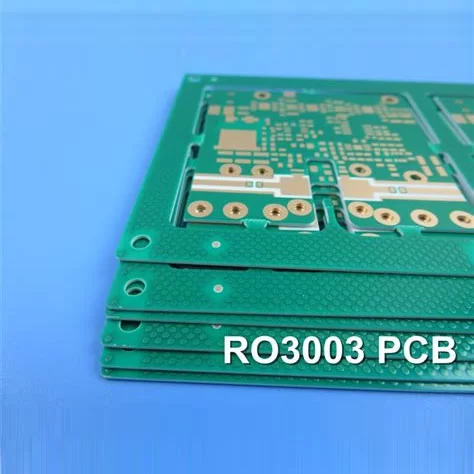
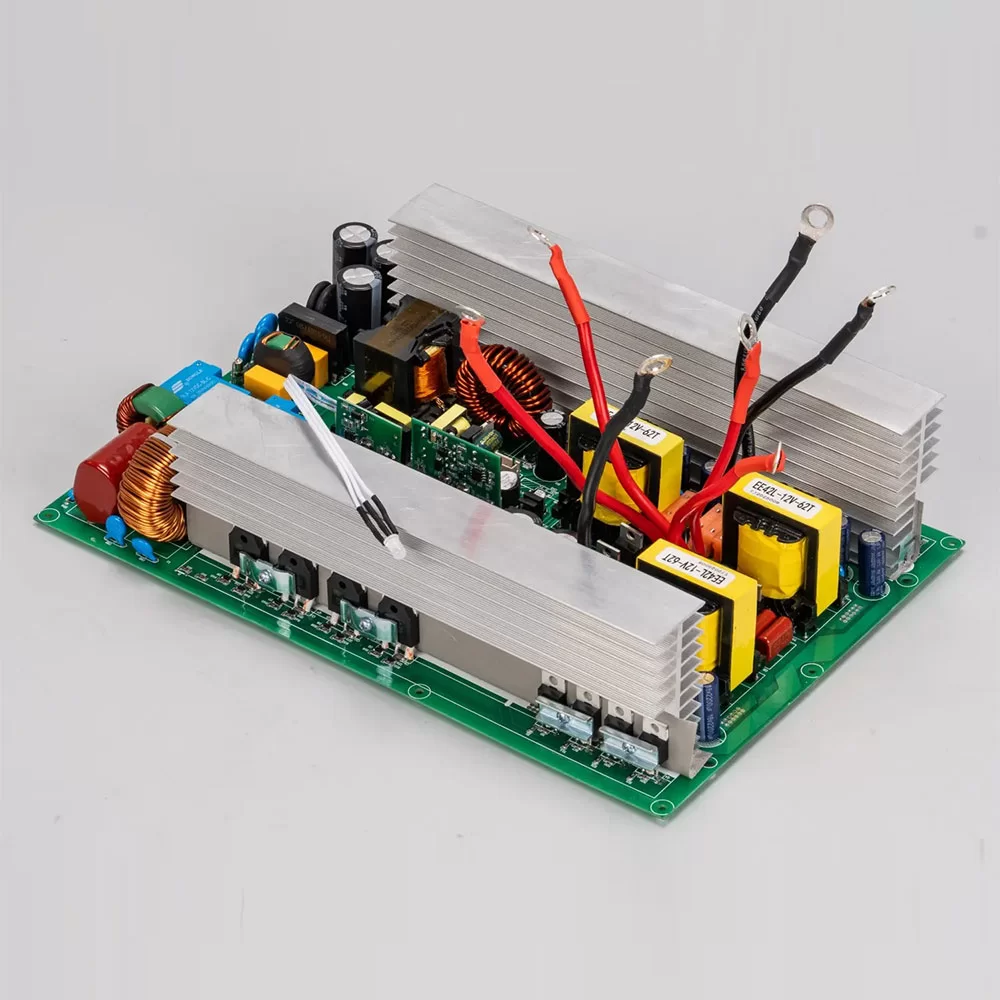
Advanced Auto Electronics PCB Assembly Solutions for Thailand’s Automotive Hub

Advanced Auto Electronics PCB Assembly Solutions for Thailand’s Automotive Hub

Advanced Auto Electronics PCB Assembly Solutions for Thailand's Automotive Hub

Empowering Thailand's electronics manufacturing sector with high-reliability interconnect solutions, from EV power modules to complex communication systems.

Advanced Auto Electronics PCB Assembly Solutions for Thailand's Automotive Hub

Providing Thailand's burgeoning electronics industry with world-class assembly and fabrication services tailored for the rigorous demands of automotive and industrial electronics.

The Landscape of Electronic Components Manufacturing in Thailand

Analyzing the intersection of Thailand's "Eastern Economic Corridor" (EEC) and high-density interconnect technology.

Thailand has established itself as a critical node in the global automotive supply chain. With the shift toward "Thailand 4.0," the demand for high-precision Printed Circuit Board fabrication has surged, moving beyond simple assembly to complex, multi-layer system integration within the EEC zone.

The local climate, characterized by high humidity and temperature fluctuations, necessitates electronic components with superior thermal management and moisture resistance. This environmental pressure has driven local manufacturers to adopt advanced conformal coatings and specialized materials for their PCB designs.

Economically, the pivot toward electric vehicles (EVs) in Thailand has created a massive gap in the supply of high-voltage electric vehicle wire harness systems, forcing a transition from traditional combustion-engine wiring to integrated electronic power distribution.
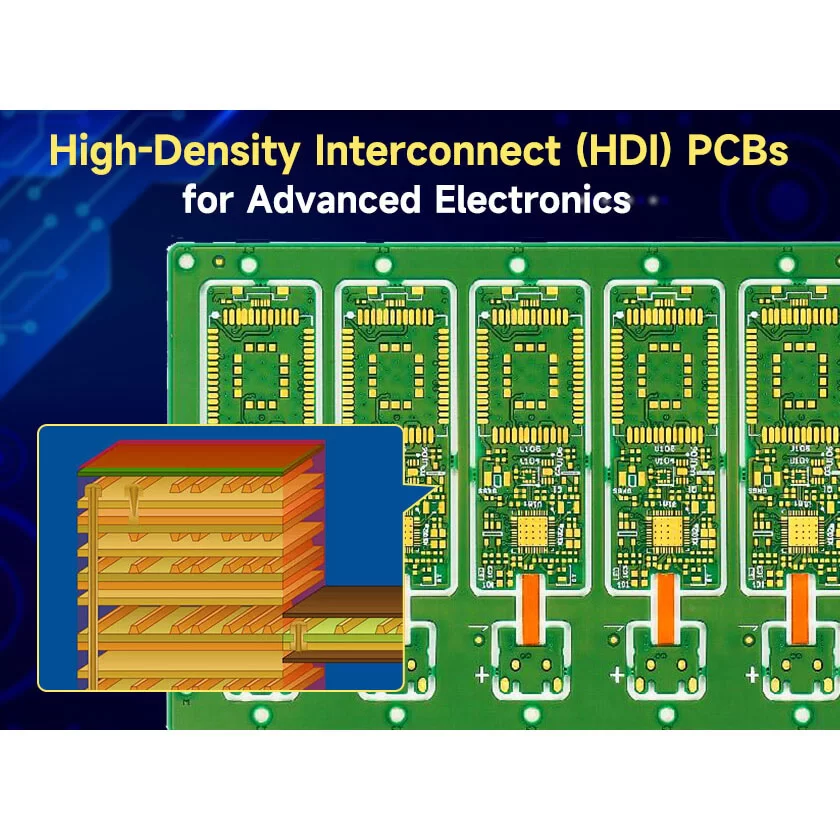
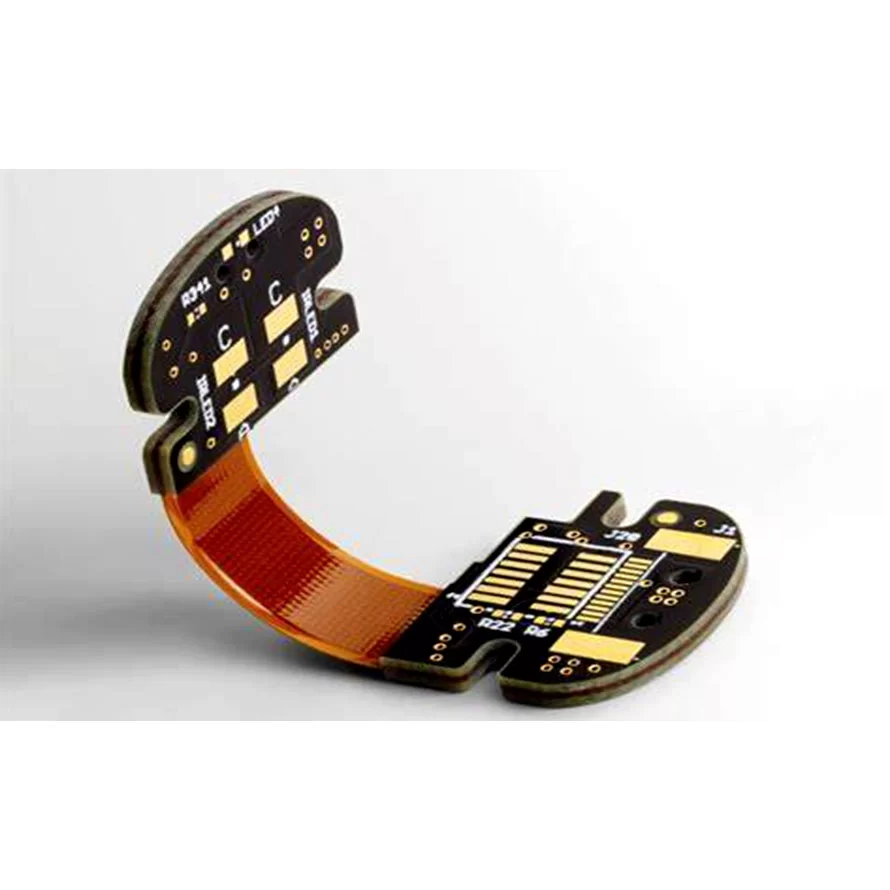
Evolution of Interconnect Technology in Thailand

Tracing the trajectory from basic rigid boards to hybrid flexible architectures.

Market Development History

From 2000 to 2010, the Thai market primarily focused on low-complexity rigid boards for consumer appliances and basic automotive sensors, relying heavily on imported raw materials and simple through-hole technology.

Between 2011 and 2020, the rise of smartphones and advanced ECU (Electronic Control Units) led to the adoption of Semiflex PCB solutions, allowing for tighter packaging in constrained automotive dashboards.

Since 2021, the aggressive push for EV localization has accelerated the demand for Rigid Flex PCB designs, which eliminate bulky connectors and reduce signal interference in high-frequency vehicle communication systems.

Future Development Trends

Miniaturization of Power Modules

Integration of Gallium Nitride (GaN) on high-thermal conductivity substrates to reduce the footprint of onboard chargers in Thai-made EVs.

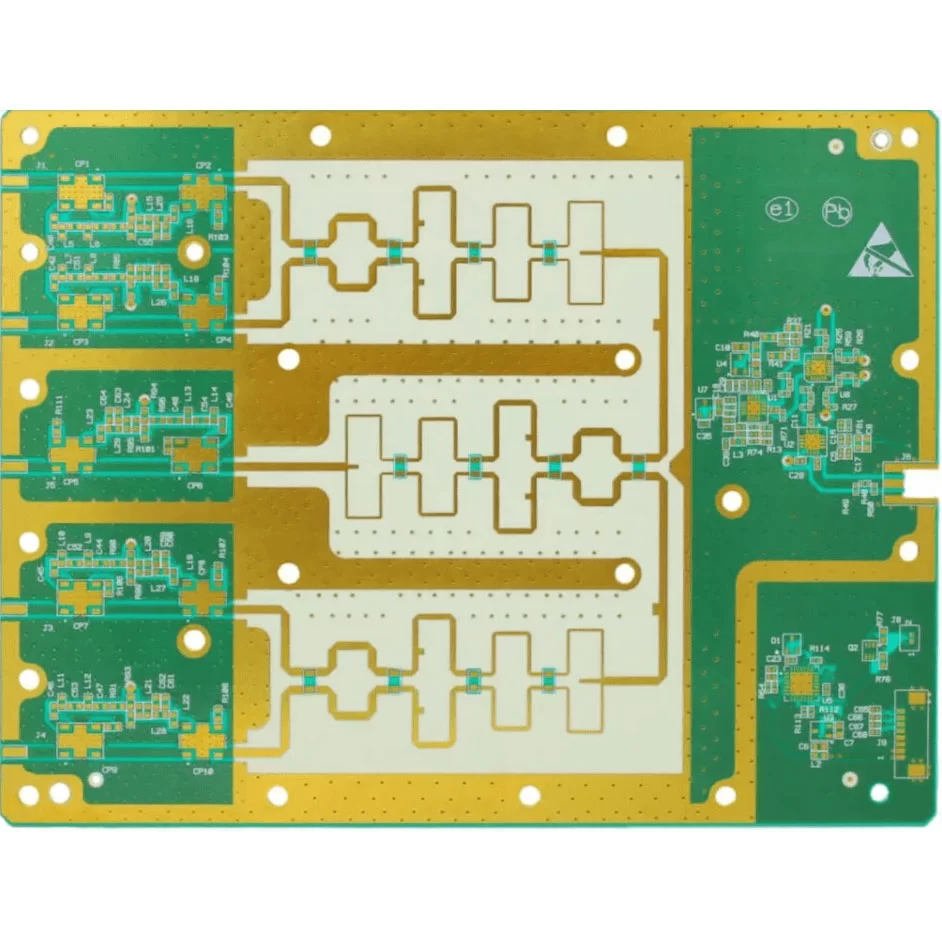
High-Frequency Signal Integrity

Transitioning toward low-loss materials for 5G-enabled vehicle-to-everything (V2X) communication modules across Bangkok's smart city infrastructure.

Sustainable Manufacturing Processes

Adoption of halogen-free and lead-free fabrication to meet the strict EU export standards required by Thai automotive exporters.

Industry Trends and Future Outlook

Predicting the next 3-5 years of electronic component evolution in the Southeast Asian market.

EV Power Integration
Increasing integration of power electronics into single-board solutions to optimize energy efficiency in electric drivetrains.
Smart Factory Automation
Implementation of Industry 4.0 standards in Thai factories using IoT-enabled control boards for real-time monitoring.
Flexible Interconnects
Rapid growth in wearable medical tech and foldable displays requiring highly durable flexible circuits.
Material Innovation
Transition to ceramic-filled polymers to enhance heat dissipation for heavy-duty industrial electronics.

Industry Outlook

Google search trends indicate a significant rise in queries regarding "EV component sourcing Thailand" and "Automotive PCB standards." This suggests that local OEMs are shifting from importing completed modules to designing locally and sourcing high-quality boards from regional experts.

We anticipate that within 5 years, the integration of AI-driven diagnostic circuitry directly into the PCB layer will become standard for Thai automotive exports, necessitating a shift toward ultra-high-density interconnects (HDI).

Localized Application Scenarios in Thailand

Real-world implementations of our electronic component solutions within the Thai industrial ecosystem.

1. EV Battery Management Systems (BMS)

Utilizing high-voltage resistant boards to manage cell balancing and thermal monitoring for local electric scooter and bus manufacturers in Bangkok.

2. Agricultural IoT Monitoring

Deploying ruggedized sensors with specialized coatings to withstand the humidity of rice and rubber plantations across Central Thailand.

3. Automotive Infotainment Hubs

Implementing hybrid circuit designs to enable seamless integration of touchscreens and voice-control modules in luxury vehicle assembly plants.

4. Smart Grid Control Units

Supplying high-reliability power distribution boards for the modernization of Thailand's provincial electrical grids.

5. Industrial Robotic Arms

Integrating flexible cabling and compact boards for precision automation in the Rayong automotive parts cluster.

Brand Story

Global Development Journey of Hub Circuits (Shenzhen) Co., Ltd.

Foundation of Excellence

Established in Shenzhen, we began with a mission to solve the stability issues of high-frequency circuits for early communication hardware.

Technological Breakthrough

Developed proprietary etching processes that significantly reduced signal loss in multi-layer boards, setting new industry benchmarks.

Global Expansion

Expanded operations to serve the Southeast Asian market, focusing on the unique requirements of the Thai automotive sector.

EV Specialization

Pivoted resources toward high-voltage circuitry to address the pain points of thermal runaway in electric vehicle components.

Future Vision

Striving to lead the transition toward fully sustainable, carbon-neutral electronic manufacturing on a global scale.

Comprehensive Product Portfolio for the Thailand Market

From prototype to mass production: complete electronic interconnect solutions.

Frequently Asked Questions - Thailand Region

Expert answers to common technical and logistical queries from our local partners.

How do you ensure the reliability of Auto Electronics PCB Assembly in high-humidity environments?

We utilize advanced IP67-rated conformal coatings and high-Tg materials to prevent moisture ingress and electrochemical migration, specifically tailored for Thailand's tropical climate.

What is the lead time for custom Rigid Flex PCB prototypes delivered to Bangkok?

Our rapid prototyping service typically delivers functional samples within 7-10 business days, including express shipping and customs clearance into Thailand.

Do your electric vehicle wire harness solutions comply with IATF 16949 standards?

Yes, all our automotive-grade components are manufactured under strict IATF 16949 and ISO 9001 guidelines to ensure zero-defect quality for OEM supply chains.

Can you assist in transitioning from a standard Printed Circuit Board to a Semiflex design?

Absolutely. Our engineering team provides DFM (Design for Manufacturing) support to help you optimize space and reduce connector count using hybrid flexible architectures.

What materials do you recommend for high-voltage EV power distribution boards?

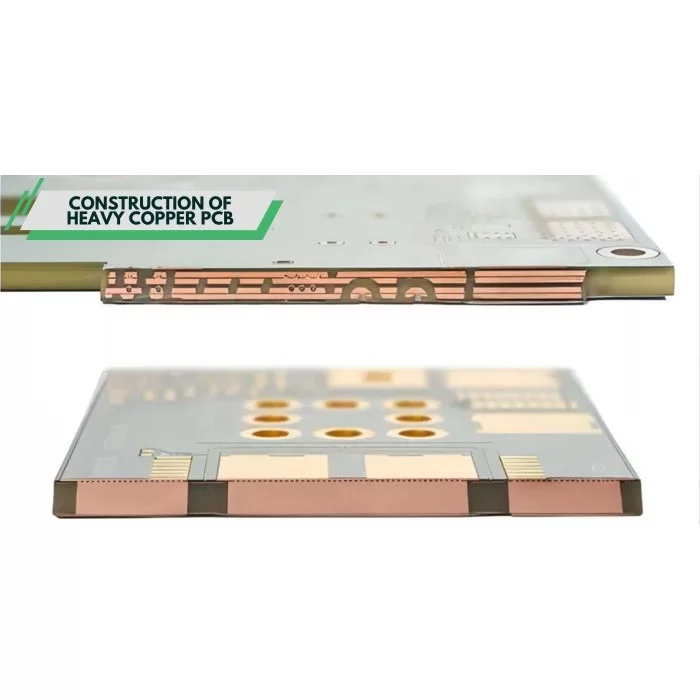
We recommend heavy copper cladding (up to 4oz) and high-thermal conductivity laminates to ensure efficient heat dissipation and current carrying capacity.

Do you provide full turn-key assembly for automotive electronics in Thailand?

Yes, we offer full turn-key services including component sourcing, SMT assembly, testing, and final packaging for immediate deployment in Thai assembly plants.

Ready to Optimize Your Electronic Infrastructure?

Connect with our technical consultants to accelerate your manufacturing capabilities in Thailand.

Contact Us Now

If you are interested in our products, you can choose to leave your information here, and we will be in touch with you shortly.