Advanced Auto Electronics PCB Assembly Solutions for South Korea

Advanced Auto Electronics PCB Assembly Solutions for South Korea

Advanced Auto Electronics PCB Assembly Solutions for South Korea

Empowering the Korean automotive and electronics sectors with high-precision circuitry and cutting-edge interconnect technologies for the next generation of mobility.

Advanced Auto Electronics PCB Assembly Solutions for South Korea

Integrating high-reliability manufacturing with South Korea's rigorous automotive standards to deliver superior electronic components and assemblies.

The Electronic Component Landscape in South Korea

Analyzing the synergy between precision manufacturing and the Korean tech ecosystem.

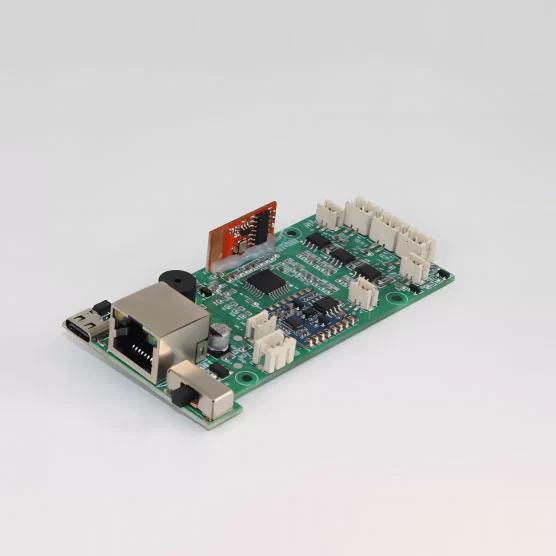
South Korea stands as a global hub for semiconductors and electronics, driven by the massive industrial clusters in Gyeonggi-do and Seoul. The local demand for high-density Printed Circuit Board technology is propelled by the rapid expansion of 5G infrastructure and a domestic market that demands zero-defect quality for consumer electronics.

The economic shift toward "K-Mobility" has placed immense pressure on the supply chain to innovate. In the context of the regional climate, which experiences significant seasonal temperature fluctuations, the demand for thermally stable Rigid Flex PCB designs has surged to ensure longevity in outdoor automotive applications.

Furthermore, the integration of AI-driven manufacturing in Korean factories has shifted the focus toward smarter, more compact electronic assemblies. This environment necessitates a transition from standard boards to specialized Semiflex PCB solutions that can withstand the vibration and spatial constraints of high-performance Korean EVs.
Technical Evolution of Interconnect Systems

From traditional rigid substrates to the era of intelligent flexible integration.

Market Development History

During the late 1990s and early 2000s, the Korean electronics market relied heavily on traditional multilayer rigid boards, focusing on volume production for early mobile handsets and household appliances.

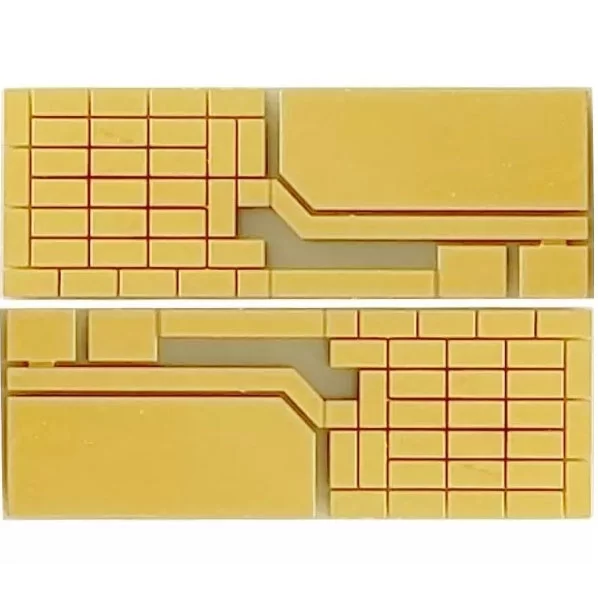
By 2010, the rise of foldable displays and slim-profile smartphones triggered a massive transition toward flexible circuits. This era saw the widespread adoption of hybrid structures, blending stability and flexibility to meet the aesthetic and functional demands of global tech giants.

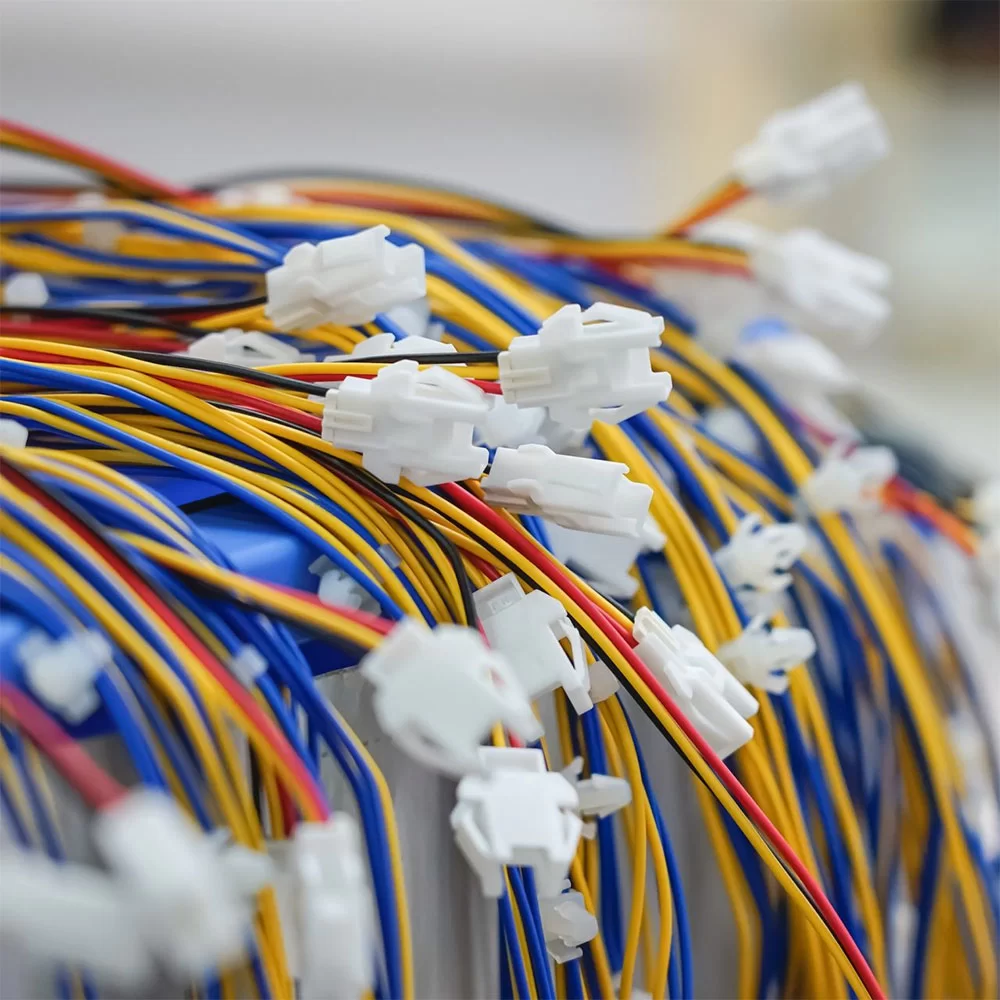
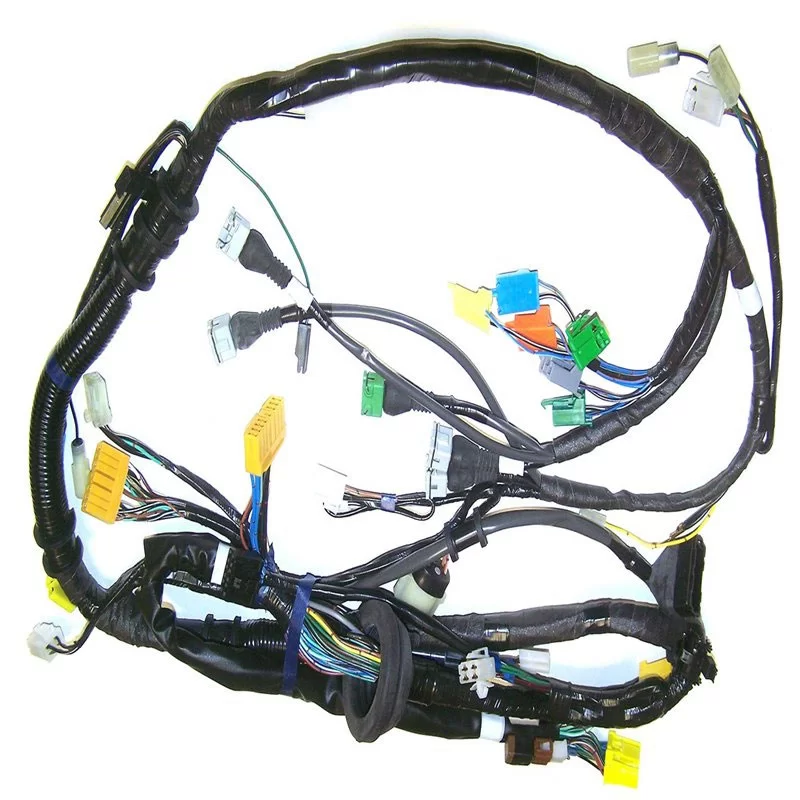
From 2020 onwards, the pivot toward electrification led to the dominance of the electric vehicle wire harness and specialized power electronics, moving away from simple signal transmission to high-voltage power distribution.

Future Development Trends

Additive Manufacturing Integration

The shift toward 3D printed circuitry will reduce waste and allow for complex geometries that traditional etching cannot achieve.

High-Frequency Material Adoption

With the deployment of 6G trials in Korea, the industry is moving toward Low-Loss materials to maintain signal integrity at extreme frequencies.

Sustainable Bio-based Substrates

Driven by ESG regulations in Asia, there is a growing trend toward biodegradable resins and recyclable copper foils in PCB fabrication.

Industry Trends and Future Outlook

Strategic forecasts for the South Korean electronic component sector through 2028.

EV-Centric Architecture
Rapid growth in high-voltage electric vehicle wire harness systems to support faster charging speeds.
Miniaturization Trend
Increasing adoption of HDI and micro-via technologies to support the shrinking footprint of wearable tech.
AI-Driven Quality Control
Implementation of AOI and AXI with machine learning to ensure zero-defect assembly for safety-critical parts.
Smart City Integration
Development of specialized sensors and PCBs for the massive IoT infrastructure in Seoul's smart city projects.

Industry Outlook

Google search trends indicate a sharp rise in "Automotive Grade PCB" and "Flexible Circuit Reliability" within the Korean market, signaling a shift from consumer-grade to industrial-grade reliability requirements.

We expect the South Korean market to prioritize "Software-Defined Vehicles" (SDV), which will demand more complex, centralized computing boards, further increasing the volume for high-layer count Rigid-Flex solutions.

Localized Application Scenarios in South Korea

Real-world deployments across Korea's most demanding technological sectors.

1. High-Performance EV Powertrains

Deploying advanced electric vehicle wire harness and power modules for Korean EV leaders to optimize energy efficiency and heat dissipation.

2. Foldable Smartphone Interconnects

Utilizing high-cycle life Rigid Flex PCB to support the complex hinge mechanisms and display drivers of next-gen foldable devices.

3. 5G/6G Base Station Modules

Implementing low-loss Printed Circuit Board substrates to ensure ultra-low latency for South Korea's nationwide high-speed network.

4. Automotive Infotainment Systems

Providing precision Auto Electronics PCB Assembly for integrated cockpit displays and AI voice assistants in premium Korean vehicles.

5. Medical Diagnostic Wearables

Designing ultra-thin Semiflex PCB for non-invasive health monitoring sensors used in Korea's leading smart hospitals.

Brand Story

Global Development Journey of Hub Circuits (Shenzhen) Co., Ltd.

Founding Vision

Established with a mission to solve the reliability gap in high-density interconnects, focusing on extreme precision for industrial electronics.

Technological Leap

Mastered the complex chemistry and lamination processes required for military-grade and automotive-grade flexible circuits.

Global Expansion

Extended operations to support the Asian tech corridor, establishing strategic partnerships with Korean automotive Tier-1 suppliers.

Quality Certification

Achieved IATF 16949 and ISO standards, ensuring that every component meets the strictest safety requirements for the EV industry.

Future Commitment

Dedicated to pioneering sustainable manufacturing and AI-integrated circuitry to lead the next industrial revolution.

Complete Product Portfolio for South Korea

Comprehensive electronic solutions tailored for the Korean automotive and consumer electronics markets.

Common Questions for the Korean Market

Expert answers regarding PCB assembly and wire harness solutions in South Korea.

What are the standards for Auto Electronics PCB Assembly in South Korea?

Most Korean OEMs require strict adherence to IATF 16949 and AEC-Q100 standards to ensure reliability in extreme environments and safety-critical systems.

How does Rigid Flex PCB enhance EV battery management systems?

It eliminates the need for bulky connectors and wires, reducing weight and increasing reliability in the high-vibration environment of an electric vehicle.

Can Semiflex PCB be used for wearable medical devices in Seoul's hospitals?

Yes, Semiflex PCBs provide the ideal balance of structural support and flexibility, allowing devices to contour to the human body while maintaining signal stability.

What is the lead time for custom electric vehicle wire harness production?

Lead times vary based on complexity, but our optimized supply chain for the Asia region typically delivers prototypes within 2-3 weeks and mass production according to agreed schedules.

How to choose between a standard Printed Circuit Board and a flexible one?

Choose standard rigid boards for static, cost-sensitive applications. Choose flexible or rigid-flex options when space is limited or the board must endure repeated bending.

Do you provide thermal management solutions for Korean high-power PCBs?

Yes, we integrate metal cores and advanced thermal vias to handle the high heat loads typical of power electronics and automotive charging systems.

Connect With Our Engineering Team

Ready to optimize your electronic architecture in South Korea? Our experts are here to provide tailored technical support.

Contact Us Now

If you are interested in our products, you can choose to leave your information here, and we will be in touch with you shortly.