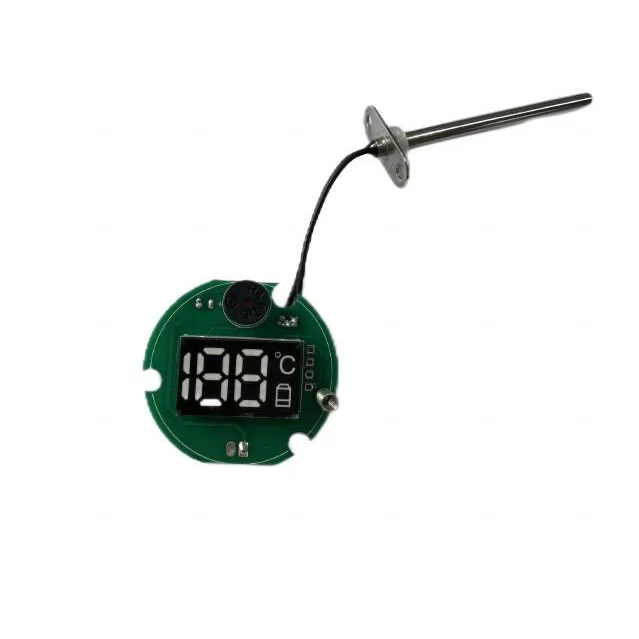
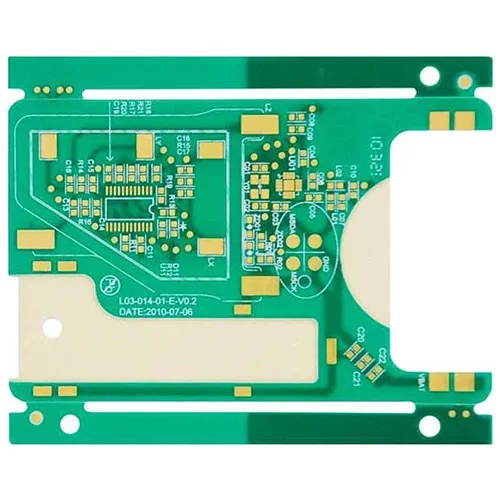
Advanced Rigid Flex PCB Solutions for Canada’s Tech Sector

Advanced Rigid Flex PCB Solutions for Canada’s Tech Sector

Advanced Rigid Flex PCB Solutions for Canada's Tech Sector

Precision-engineered electronic interconnects driving innovation across Canada's automotive, aerospace, and industrial automation landscapes.

Advanced Rigid Flex PCB Solutions for Canada's Tech Sector

Providing high-reliability circuit solutions tailored for the demanding environmental and technical standards of the Canadian electronics manufacturing ecosystem.

Current State of Electronics Manufacturing in Canada

Analyzing the synergy between rugged environmental requirements and high-tech demand.

The Canadian electronics landscape is characterized by a strong focus on aerospace and clean energy. Due to extreme temperature fluctuations across provinces, there is a critical demand for a high-quality Printed Circuit Board that can withstand thermal expansion and contraction without compromising signal integrity.

In hubs like Ontario and Quebec, the shift toward electrification has accelerated the adoption of Auto Electronics PCB Assembly. Manufacturers are increasingly integrating smart sensors and power management systems to support the growing EV infrastructure across North America.

Furthermore, the integration of Semiflex PCB designs is becoming prevalent in portable medical devices and industrial controllers, reflecting Canada's commitment to precision healthcare and automated resource extraction industries.
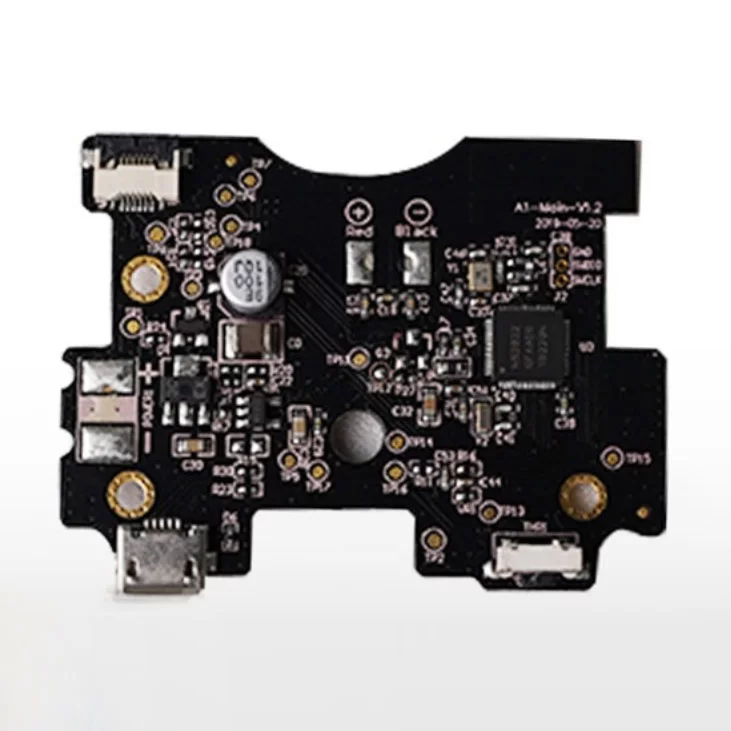
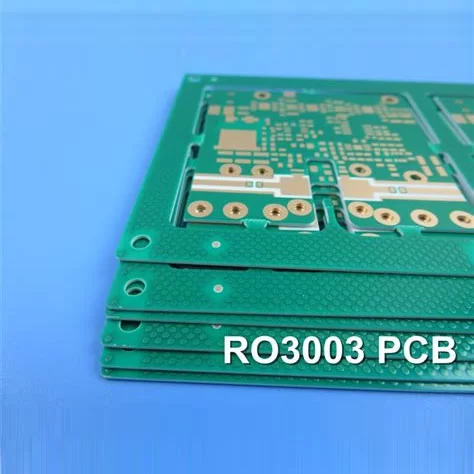
Evolution and Technological Trajectory of PCBs

From traditional rigid boards to integrated dynamic interconnects.

Market Development History

In the early 2000s, the Canadian market relied heavily on standard rigid boards for telecommunications and basic industrial control, where space was not a primary constraint.

Between 2010 and 2020, a pivotal shift occurred toward miniaturization. The introduction of advanced Rigid Flex PCB technology allowed Canadian engineers to eliminate bulky connectors, reducing weight for aerospace applications in Montreal and Toronto.

Currently, the focus has shifted to systemic integration. The convergence of power electronics and data processing has made Auto Electronics PCB Assembly a cornerstone of the local supply chain, especially with the rise of battery management systems.

Future Development Trends

Additive Manufacturing Integration

Moving toward 3D-printed electronics to reduce material waste and allow for complex geometries in specialized Canadian satellite components.

High-Voltage EV Architecture

Increased demand for specialized electric vehicle wire harness systems capable of handling 800V architectures for faster charging cycles.

AI-Driven Design Optimization

Implementation of generative design to optimize trace routing in multi-layer boards, reducing EMI in dense urban communication grids.

Industry Trends and Future Outlook

Strategic forecasting for the next 3-5 years of electronic component manufacturing.

Sustainable Materials
Transitioning to halogen-free and biodegradable substrates to align with Canada's strict environmental regulations.
EV Infrastructure Growth
Explosive growth in electric vehicle wire harness demand for nationwide charging networks.
Miniaturization 2.0
Adoption of HDI and embedded components to maximize performance in compact wearables.
Smart Manufacturing
Integrating IoT-driven quality control to eliminate defects in high-precision assemblies.

Industry Outlook

Based on recent search trends and industrial shifts in Canada, the market is pivoting toward "localized resilience." Companies are seeking suppliers who can provide rapid prototyping for Semiflex PCB and rigid-flex hybrids to shorten time-to-market.

The synergy between the automotive sector's shift to EVs and the aerospace sector's demand for lightweighting will drive a surge in composite circuit technologies over the next five years.

Localized Application Scenarios in Canada

Real-world deployments of advanced electronic components across Canadian industries.

01. Electric Vehicle Battery Management Systems (BMS)

Utilizing Auto Electronics PCB Assembly to manage cell balancing and thermal monitoring in EVs operating in sub-zero Canadian winters.

02. Aerospace Avionics for Quebec's Aviation Hub

Implementation of Rigid Flex PCB to optimize space in flight control systems, reducing cable weight and increasing vibration resistance.

03. Remote Industrial Monitoring in Alberta's Oil Sands

Deployment of ruggedized Printed Circuit Board assemblies designed for extreme durability and interference shielding in harsh industrial zones.

04. Medical Wearables for Toronto's Health-Tech Sector

Applying Semiflex PCB technology to create ergonomic, skin-conformable diagnostic devices for chronic disease monitoring.

05. Smart Grid Energy Distribution

Integrating high-capacity electric vehicle wire harness components into municipal charging stations to ensure stable power delivery across urban grids.

Brand Story

Global Development Journey of Hub Circuits (Shenzhen) Co., Ltd.

Foundational Excellence

Established as a specialized manufacturer, focusing on solving the reliability gap in high-density interconnects for early electronic devices.

Technological Expansion

Pioneered advanced etching and plating processes, enabling the mass production of complex multilayer boards with micron-level precision.

Global Market Entry

Extended operations to North America, specifically tailoring production lines to meet the rigorous quality standards of Canadian automotive and aerospace firms.

Innovation Leadership

Developed a proprietary hybrid-material process that optimizes the transition between rigid and flexible layers, reducing failure rates in dynamic environments.

Sustainable Future

Committed to "Green Electronics," integrating eco-friendly chemistry into the PCB fabrication process to support Canada's net-zero goals.

Comprehensive Circuit Portfolio for Canada

Integrated hardware solutions from prototype to full-scale industrial production.

Canadian Industry FAQ

Expert answers to common technical and logistical queries in the local market.

How do you ensure Rigid Flex PCB durability in cold climates?

We use specialized polyimide materials and reinforced adhesives that maintain flexibility and prevent cracking at temperatures as low as -40°C, ensuring reliability across Canada's diverse climate zones.

What standards are followed for Auto Electronics PCB Assembly in North America?

Our assembly processes strictly adhere to IATF 16949 and IPC-A-610 Class 3 standards, ensuring zero-defect performance for safety-critical automotive systems.

Can you customize electric vehicle wire harness for high-voltage systems?

Yes, we provide tailored shielding and insulation solutions specifically designed for high-voltage EV architectures to prevent electromagnetic interference (EMI).

What is the lead time for a prototype Printed Circuit Board for Canadian startups?

We offer accelerated prototyping cycles, typically delivering complex boards within 5-10 business days to support the fast-paced innovation of the Canadian tech ecosystem.

Are Semiflex PCB options available for medical device integration?

Absolutely. We specialize in Semiflex designs that offer the perfect balance of rigidity for components and flexibility for fit, ideal for biocompatible medical wearables.

How do you handle customs and logistics for shipments to Canada?

We provide full DDP (Delivered Duty Paid) shipping options, managing all customs documentation to ensure seamless delivery to your facility anywhere in Canada.

Ready to Elevate Your Hardware?

Partner with a global leader in electronic component manufacturing to accelerate your project in Canada.

Contact Us Now

If you are interested in our products, you can choose to leave your information here, and we will be in touch with you shortly.