
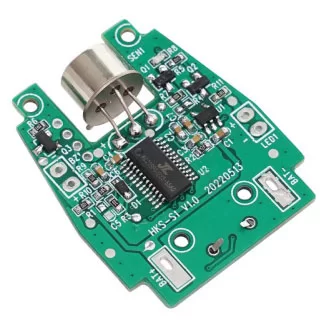
Norway HighReliability Auto Electronics PCB Assembly Solutions

Norway HighReliability Auto Electronics PCB Assembly Solutions

Norway High-Reliability Auto Electronics PCB Assembly Solutions

Empowering Norway's green energy transition with precision-engineered electronic components for automotive and industrial excellence.

Norway High-Reliability Auto Electronics PCB Assembly Solutions

We provide specialized electronic manufacturing services tailored for the Norwegian market, focusing on durability and efficiency in extreme Nordic environments.

The State of Electronic Manufacturing in Norway

Adapting High-Tech Interconnects to Nordic Environmental Demands

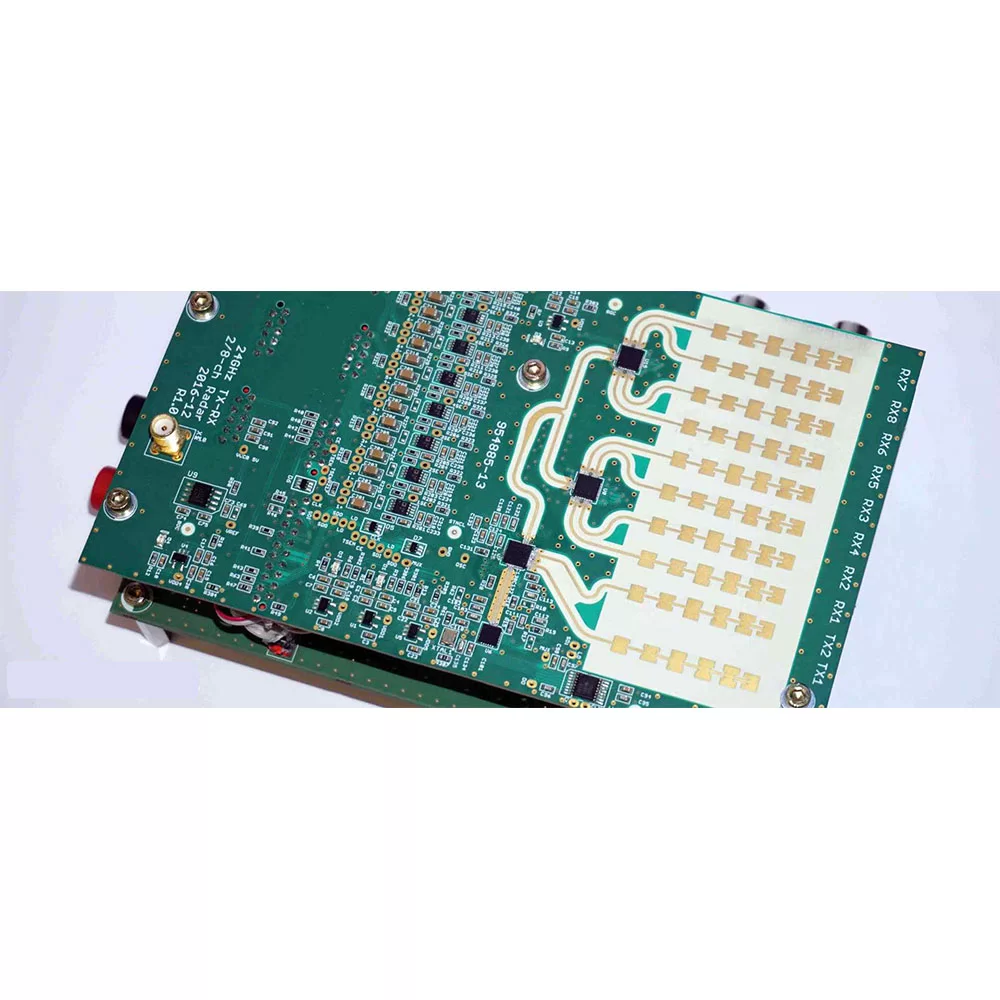
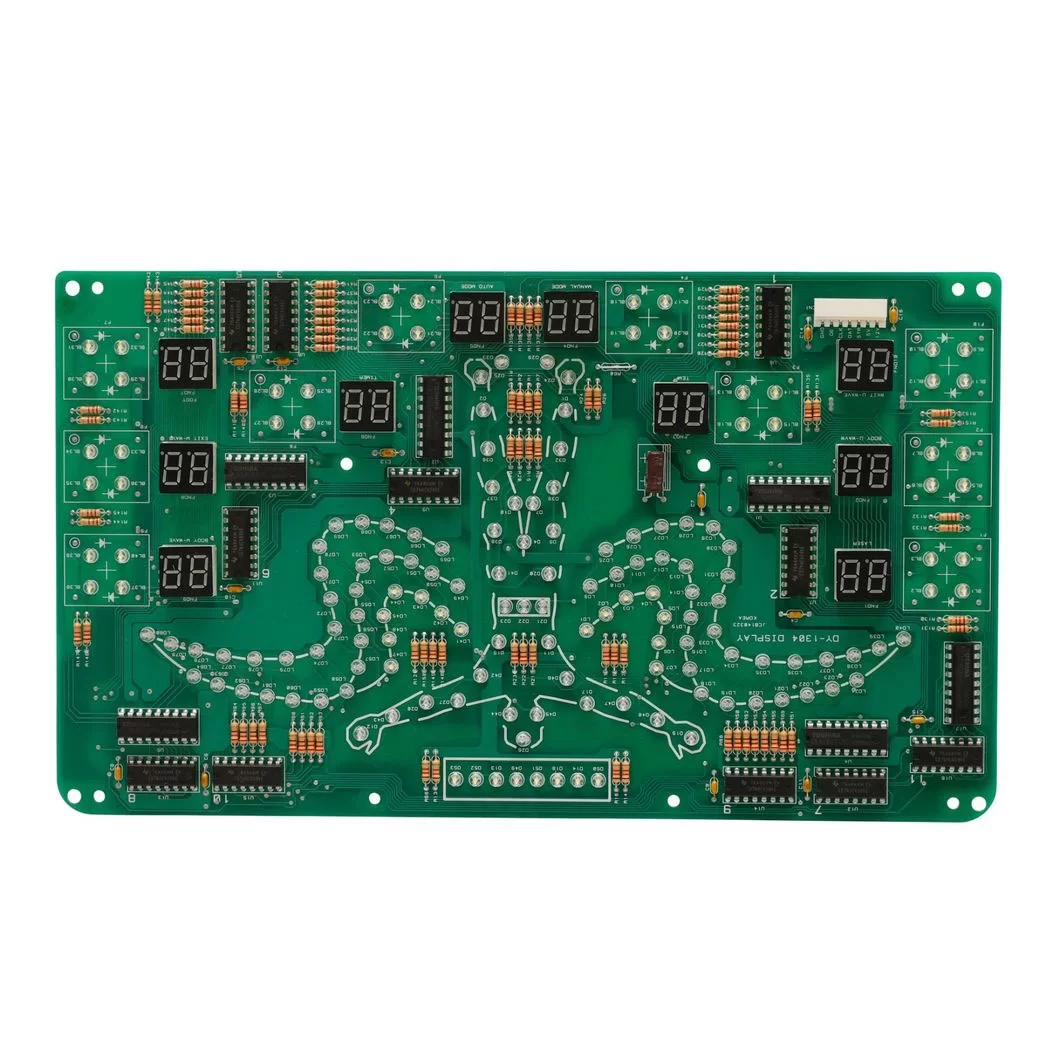
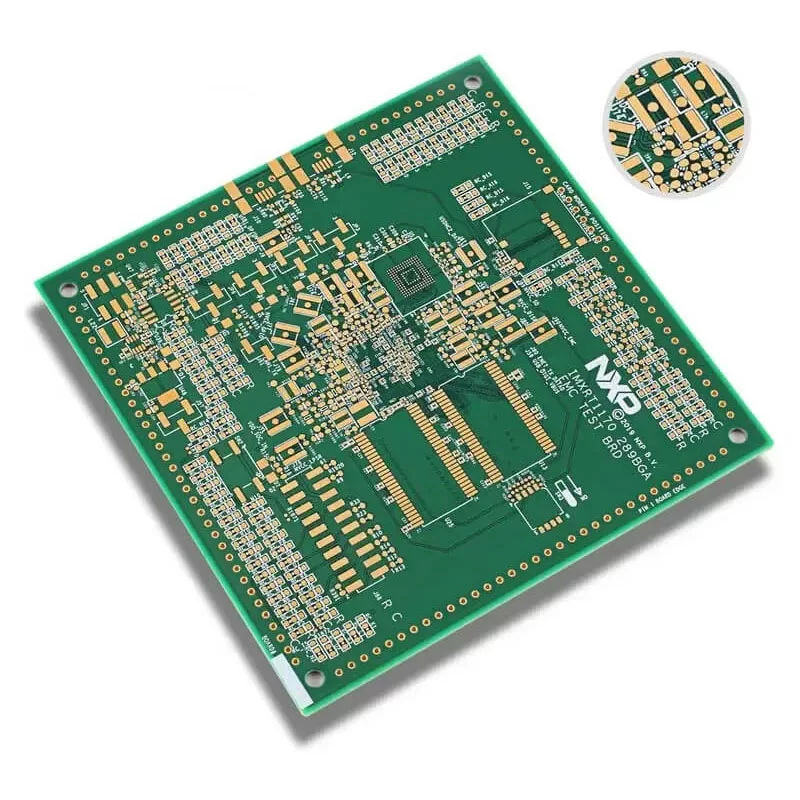
Norway's electronics sector is uniquely driven by the nation's aggressive push toward electrification. The demand for a high-quality Printed Circuit Board is no longer just about functionality, but about resilience against extreme temperature fluctuations and saltwater corrosion prevalent in coastal regions.

The local market sees a significant shift toward specialized components. As Norway leads the world in EV adoption, there is an urgent need for advanced electric vehicle wire harness systems that can maintain signal integrity and power efficiency in sub-zero Arctic conditions.

Furthermore, the integration of offshore wind and maritime electrification has pushed Norwegian engineers to seek out hybrid solutions. This has led to an increased adoption of Rigid Flex PCB designs to maximize space and reliability in compact, vibration-heavy industrial modules.
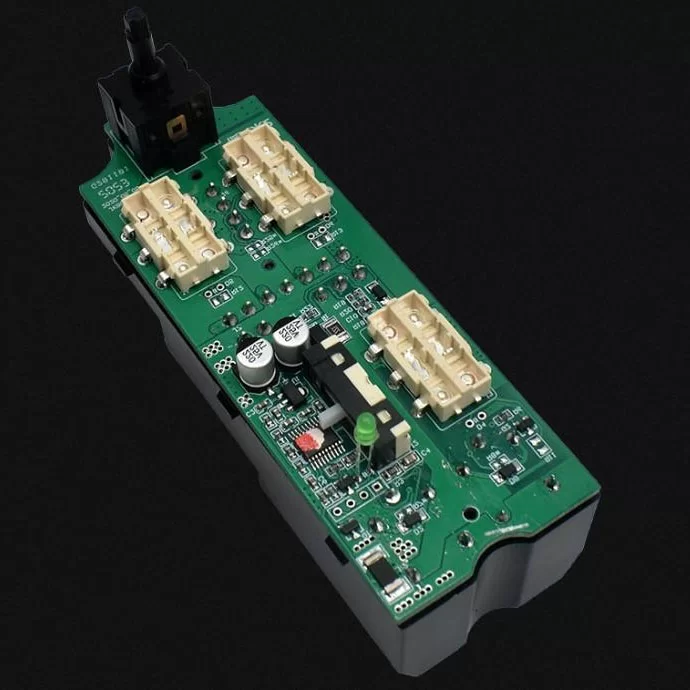
Technological Evolution and Trajectory

From Traditional Rigid Boards to Dynamic Hybrid Interconnects

Market Development History

In the early 2000s, the Norwegian electronic landscape relied heavily on standard rigid boards for oil and gas telemetry. These early systems were robust but lacked the flexibility required for the emerging miniaturization trend in consumer and industrial tech.

Between 2010 and 2020, the rise of the "Green Shift" introduced a transition toward Semiflex PCB technology. This allowed manufacturers to bridge the gap between rigid structures and flexible cabling, reducing failure points in automotive sensors.

From 2021 to the present, the industry has entered the era of "Integrated Intelligence," where the synergy between high-density assembly and flexible substrates has become the gold standard for Norway's autonomous shipping and EV infrastructure.

Future Development Trends

Additive Manufacturing Integration

The shift toward 3D-printed electronics will allow for seamless integration of circuits into structural components, reducing weight for electric transport.

Thermal Management Evolution

New dielectric materials are being developed to handle the high power density of fast-charging stations while operating in freezing temperatures.

AI-Driven Design Optimization

Utilizing generative design to optimize trace routing in complex hybrid boards to minimize EMI in sensitive communication equipment.

Industry Trends and Future Outlook

Navigating the Next Frontier of Electronic Interconnects

Hyper-Electrification
Accelerated adoption of high-voltage systems requiring advanced insulation and thermal stability.
Miniaturization
Increasing demand for high-density interconnects (HDI) to support compact wearable and medical tech.
Sustainable Materials
Transitioning to halogen-free and recyclable substrates to meet strict EU environmental regulations.
Edge Intelligence
Moving processing closer to sensors via high-speed, low-latency board architectures.

Industry Outlook

The next 3-5 years will see a convergence of power electronics and flexible circuitry. Google search trends indicate a rising interest in "sustainable PCB manufacturing" and "EV thermal management," suggesting that Norway's market will prioritize energy efficiency over raw processing power.

We anticipate a surge in demand for customized hybrid assemblies that can withstand the high-frequency noise of wide-bandgap semiconductors (SiC/GaN), which are becoming essential for the next generation of Norwegian electric ferries and heavy-duty transport.

Localized Application Scenarios in Norway

Real-World Implementations of Advanced Circuitry in the Nordic Region

01. EV Charging Infrastructure

Deploying high-current Printed Circuit Board arrays in ultra-fast charging stations that operate in snowy mountainous regions, requiring specialized conformal coatings.

02. Autonomous Electric Ferries

Implementing Rigid Flex PCB modules in navigation and control systems to withstand constant vibrations and salt-mist environments on the Norwegian fjords.

03. Offshore Wind Sensor Arrays

Utilizing Semiflex PCB designs for turbine blade sensors, allowing for flexible installation without sacrificing signal integrity.

04. Automotive Battery Management (BMS)

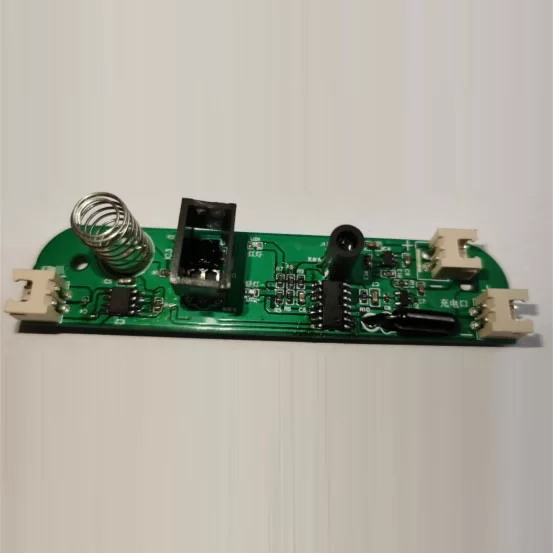
Designing precision Auto Electronics PCB Assembly for battery monitoring units that ensure safety and efficiency in extreme cold.

05. Heavy-Duty EV Power Distribution

Engineering high-durability electric vehicle wire harness systems for electric trucks transporting goods across the Arctic Circle.

Brand Story

Global Development Journey of Hub Circuits (Shenzhen) Co., Ltd.

Foundational Precision

Established with a mission to solve the instability of high-density circuits, we began by perfecting the core layering process for industrial electronics.

Diversification of Substrates

We expanded our expertise into flexible and hybrid materials, addressing the pain point of mechanical failure in dynamic electronic environments.

Automotive Certification

Achieving global automotive standards allowed us to enter the EV sector, providing mission-critical assemblies for the world's leading car brands.

Global Logistics Integration

We optimized our supply chain to provide just-in-time delivery to Nordic markets, ensuring Norway's innovators have rapid access to prototypes.

Sustainable Future Vision

Today, we focus on eco-friendly manufacturing, aligning our growth with the green goals of our partners in Europe and beyond.

Comprehensive Product Portfolio for the Norwegian Market

Industrial-Grade Components Engineered for Maximum Reliability and Performance

Norway Electronics Manufacturing FAQ

Expert Answers to Local Industry Challenges

How does extreme cold affect the reliability of a Printed Circuit Board in Norway?

Extreme cold can cause thermal contraction and stress on solder joints. We use low-CTE materials and specialized underfills to ensure the board remains structurally sound at -40°C.

What are the advantages of using Rigid Flex PCB for maritime electronics?

Rigid-Flex designs eliminate the need for connectors and bulky wiring, reducing potential points of failure caused by vibration and moisture in ship-board systems.

Can Semiflex PCB handle high-frequency signals in 5G infrastructure?

Yes, by utilizing high-performance polyimide substrates and precision impedance control, our Semiflex solutions maintain signal integrity for high-speed data transmission.

What standards are followed for Auto Electronics PCB Assembly in EVs?

We strictly adhere to IATF 16949 and IPC-A-610 Class 3 standards to ensure the highest safety and reliability for automotive power systems.

How is the durability of an electric vehicle wire harness tested?

Our harnesses undergo rigorous salt-spray testing, thermal cycling, and vibration endurance tests to mimic the harsh Nordic road environments.

Do you offer rapid prototyping for Norwegian electronics startups?

Yes, we provide an expedited design-to-prototype pipeline, allowing Norwegian engineers to validate their concepts in days rather than weeks.

Ready to Electrify Your Innovation?

Contact our expert engineering team today for high-performance electronic solutions tailored for Norway.

Contact Us Now

If you are interested in our products, you can choose to leave your information here, and we will be in touch with you shortly.