HighReliability Auto Electronics PCB Assembly Solutions for Spain’s Automotive Hub

HighReliability Auto Electronics PCB Assembly Solutions for Spain’s Automotive Hub

High-Reliability Auto Electronics PCB Assembly Solutions for Spain's Automotive Hub

Empowering the Spanish industrial landscape with precision-engineered interconnect solutions, from advanced circuitry to high-voltage EV infrastructure.

High-Reliability Auto Electronics PCB Assembly Solutions for Spain's Automotive Hub

We provide specialized electronic manufacturing services tailored to the rigorous demands of the Spanish automotive and industrial sectors, ensuring seamless integration of complex circuitry.

The State of Electronics Manufacturing in Spain

Analyzing the synergy between traditional automotive strength and the shift toward electromobility.

Spain stands as one of Europe's primary automotive manufacturing hubs, with a massive industrial base in regions like Catalonia and Castile-Leon. However, the local industry is currently undergoing a paradigm shift. The transition from internal combustion engines to electric drivetrains has surged the demand for high-density Printed Circuit Board technology that can withstand extreme thermal cycling and vibration common in Mediterranean climates.

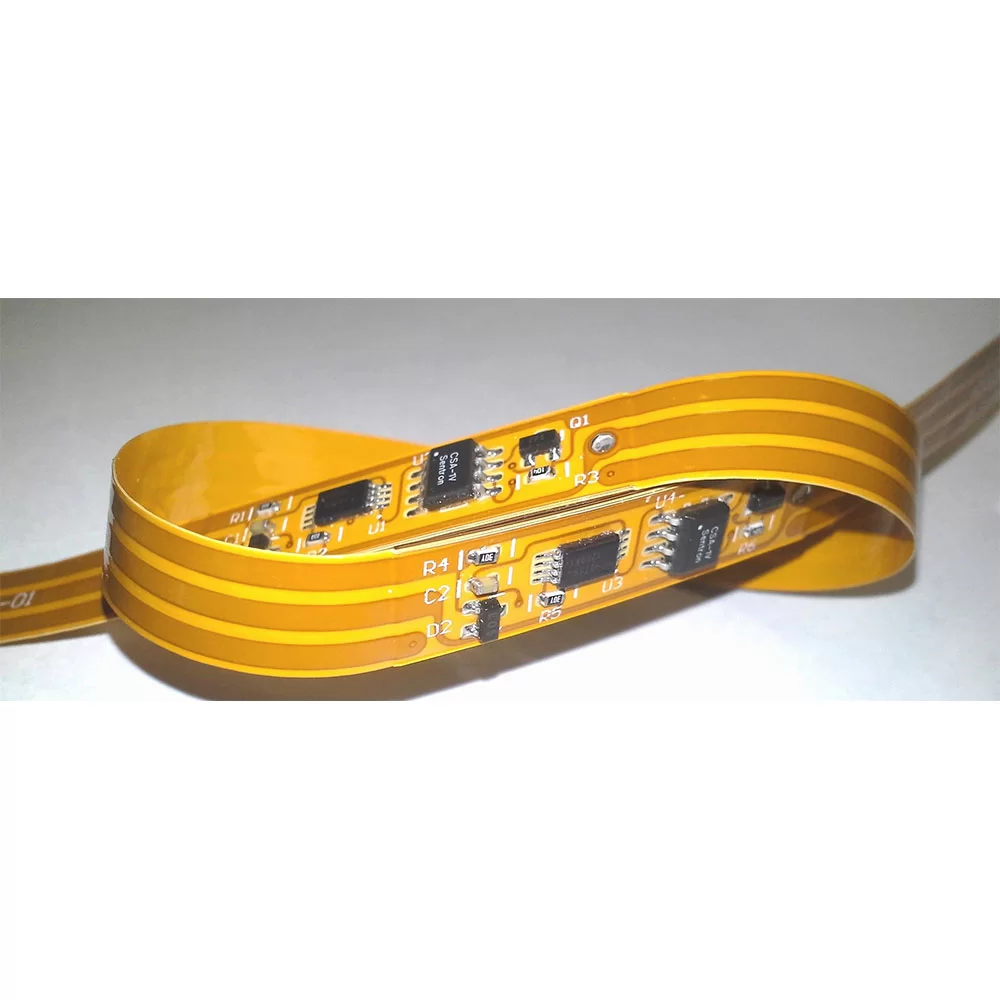
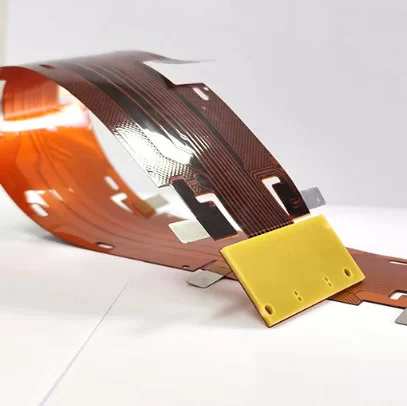
Economic pressures and the EU's "Green Deal" have pushed Spanish OEMs to integrate more sophisticated electronic control units (ECUs). This has created a critical need for local availability of Rigid Flex PCB designs to optimize space within compact EV battery management systems, reducing the reliance on bulky traditional wiring.

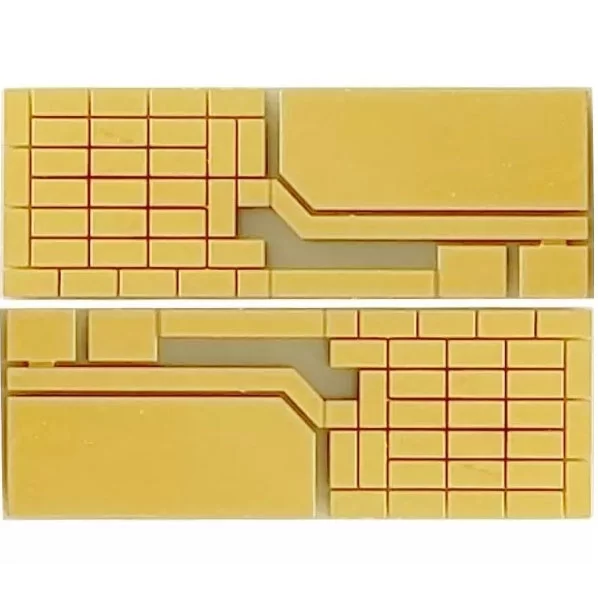
Furthermore, the rise of "Industry 4.0" across Spanish factories is driving a demand for customized Semiflex PCB components that offer a balance between mechanical flexibility and structural rigidity, allowing for more resilient sensor arrays in automated production lines.

Evolution of Interconnect Technology in Spain

From basic circuitry to the complex architectural needs of modern electric vehicles.

Market Development History

In the early 2000s, the Spanish electronics sector focused primarily on standard single-sided and double-sided boards for basic automotive dashboard functions and simple industrial controllers, prioritizing cost over miniaturization.

Between 2010 and 2020, the emergence of ADAS (Advanced Driver Assistance Systems) triggered a shift toward multi-layer high-frequency boards. This era saw the introduction of complex assembly processes to support the growing complexity of onboard diagnostics and infotainment systems.

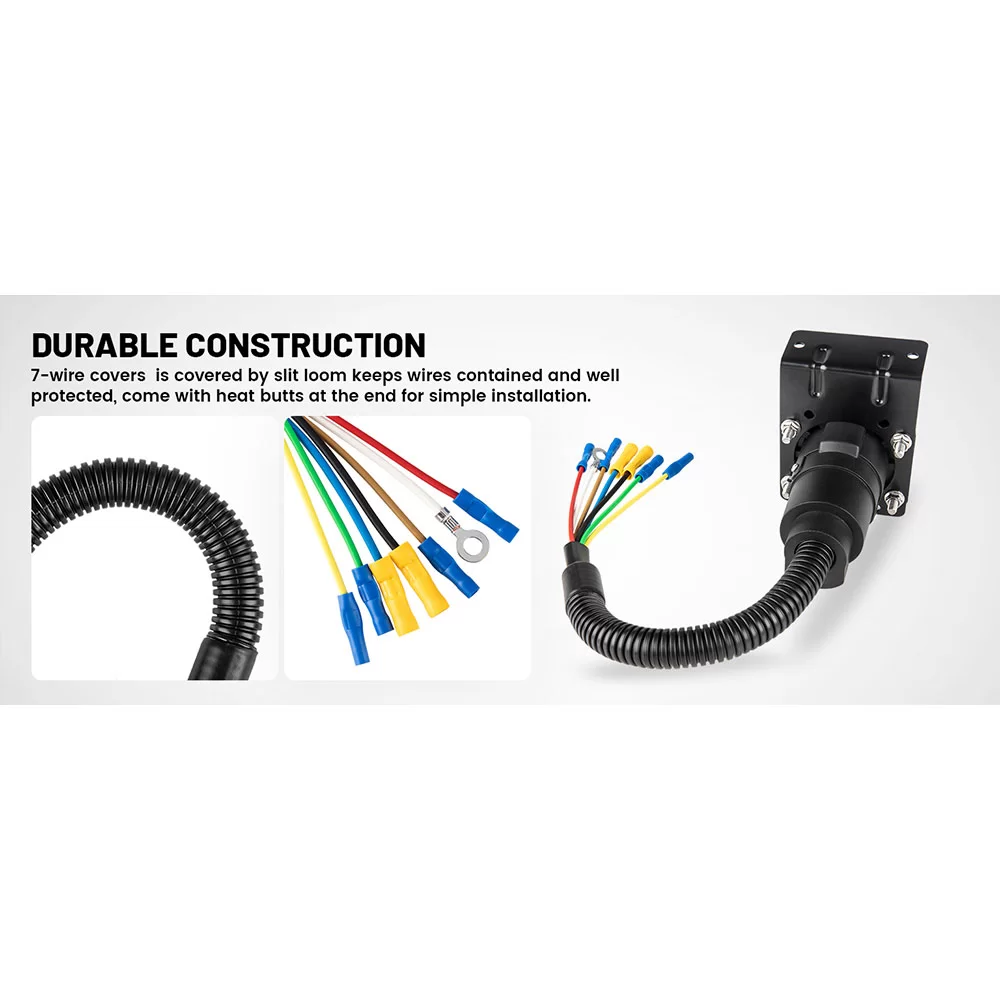
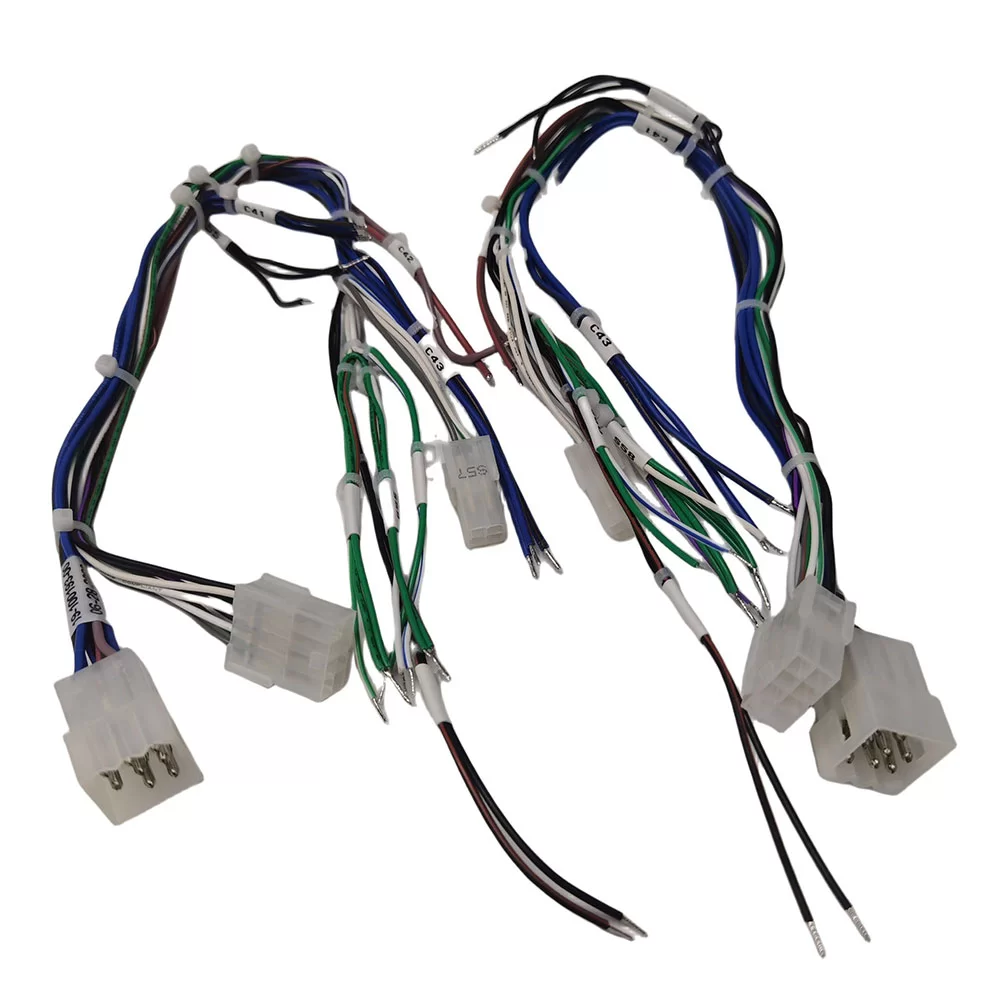
From 2021 to the present, the explosive growth of the EV market in Spain has shifted the focus toward high-voltage power electronics and the deployment of the electric vehicle wire harness, integrating power distribution with signal transmission in a single, optimized ecosystem.

Future Development Trends

High-Voltage Power Integration

Focus will shift toward materials that can handle 800V architectures, requiring specialized insulation and thermal management within the PCB substrate to prevent dielectric breakdown.

Modular Circuit Architecture

We anticipate a move toward modular "Zone Controllers" where a single complex board replaces multiple smaller ECUs, drastically reducing the total weight of the vehicle.

Sustainable Materials

Driven by EU regulations, there will be a significant increase in the adoption of halogen-free and recyclable substrates to reduce the environmental footprint of electronics manufacturing.

Strategic Outlook for Electronic Components

Predicting the technological trajectory of the Spanish electronics landscape for 2025-2030.

Miniaturization Shift
Increased adoption of HDI technology and blind/buried vias to fit more processing power into smaller automotive modules.
Thermal Optimization
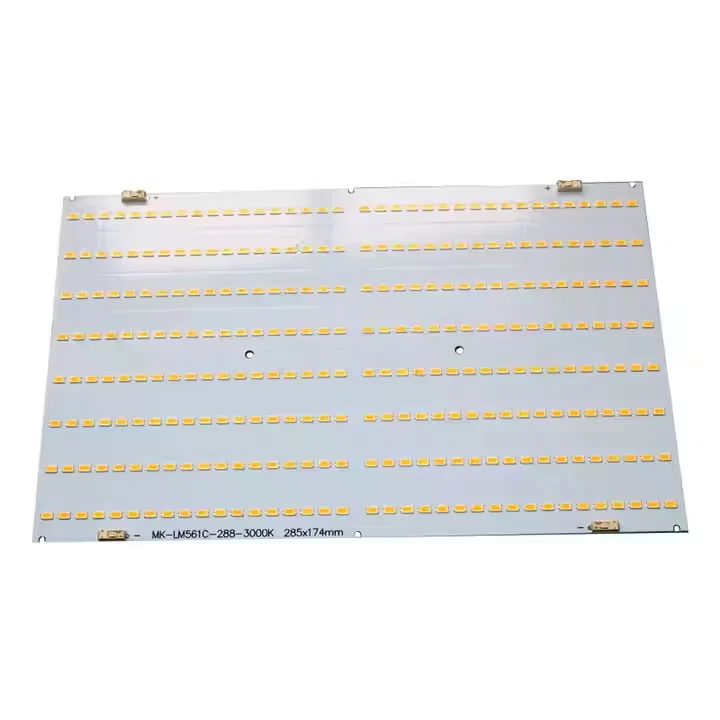
Integration of metal-core PCBs and advanced thermal vias to handle the heat loads of fast-charging EV systems in Spain.
Flex-Circuit Dominance
The transition from rigid connectors to integrated flex circuits to reduce failure points in high-vibration environments.
AI-Driven Design
Using machine learning to optimize trace routing for electromagnetic interference (EMI) reduction in autonomous driving units.

Industry Outlook

Looking forward, the Spanish electronics market is expected to synchronize with the broader European goal of strategic autonomy. This means a move toward localized supply chains for critical components, reducing the lead time for complex assemblies and ensuring higher quality control standards.

Google search trends in the region indicate a sharp rise in queries related to "sustainable electronics" and "EV battery efficiency," suggesting that the next five years will be dominated by the pursuit of energy-efficient circuit designs and the integration of biodegradable materials into the manufacturing process.

Localized Application Scenarios in Spain

Real-world implementations of our electronic solutions across key Spanish industrial sectors.

1. EV Powertrain Control Units (Valencia Hub)

Deploying high-current PCBs and specialized electric vehicle wire harness systems for electric car manufacturers in Valencia, focusing on high-temperature stability and electromagnetic compatibility.

2. Smart Agriculture Sensor Networks (Andalusia)

Implementing Semiflex PCB modules in precision irrigation systems, providing the necessary durability to withstand outdoor agricultural environments and chemical exposure.

3. Aerospace Avionics (Madrid/Seville)

Developing ultra-lightweight Rigid Flex PCB assemblies for aerospace telemetry and navigation systems, where space saving and weight reduction are mission-critical.

4. Industrial Automation in Automotive Plants (Barcelona)

Providing large-scale Auto Electronics PCB Assembly for robotic arms and assembly line controllers, ensuring 24/7 operational reliability in high-throughput environments.

5. Renewable Energy Inverters (Castile-Leon)

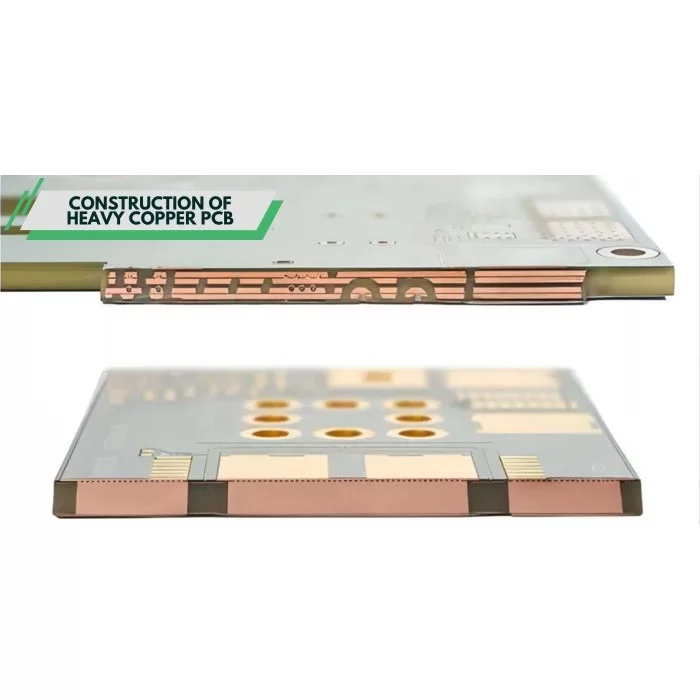
Designing heavy-duty Printed Circuit Board architectures for wind and solar energy inverters, capable of managing massive power loads with minimal energy loss.

Brand Story

Global Development Journey of Hub Circuits (Shenzhen) Co., Ltd.

Foundational Excellence

Established with a mission to solve the instability of multi-layer boards, we began by mastering precision drilling and etching for high-reliability industrial applications.

Technological Diversification

We expanded our capabilities into the flex and rigid-flex domains, addressing the pain point of bulky interconnects in medical and military hardware.

Automotive Specialization

Recognizing the EV revolution, we developed automotive-grade assembly lines that meet strict IATF 16949 standards, ensuring zero-defect manufacturing.

Global Expansion

We extended our reach to the European market, specifically targeting Spain's automotive hubs to provide localized technical support and rapid prototyping.

Future-Ready Vision

Today, we focus on the intersection of AI and electronics, creating smarter, more sustainable circuit solutions for a connected global economy.

Complete PCB & Interconnect Portfolio for the Spanish Market

A comprehensive suite of electronics manufacturing services designed to meet EU regulatory and technical standards.

Common Questions for Electronics Manufacturing in Spain

Technical insights and compliance guidance for local engineers and procurement managers.

What are the lead times for custom Rigid Flex PCB orders in Spain?

Depending on complexity, prototyping usually takes 7-10 business days, while mass production follows a structured timeline of 3-5 weeks, including rigorous quality testing and customs clearance to Spain.

Do your Auto Electronics PCB Assembly services comply with EU standards?

Yes, all our automotive assemblies are manufactured in compliance with IATF 16949 and RoHS directives, ensuring they meet the strict safety and environmental regulations required for the European market.

How do you ensure the durability of electric vehicle wire harness systems?

We use automotive-grade cross-linked polymers and high-temperature shielding, followed by stringent vibration and thermal shock testing to ensure longevity in diverse Spanish climatic conditions.

What is the benefit of Semiflex PCB over traditional rigid boards?

Semiflex boards provide the stability of rigid PCBs with the ability to be bent during installation, reducing the need for connectors and increasing the overall reliability of the electronic system.

Can you handle high-layer count Printed Circuit Board designs?

We specialize in complex multi-layer boards (up to 32+ layers) with advanced HDI features, providing the high density required for modern telecommunications and automotive control units.

How do you handle the logistics of shipping sensitive PCBs to Spain?

We use vacuum-sealed moisture-barrier packaging and ESD-safe containers, utilizing express logistics partners to ensure timely and safe delivery to any industrial zone in Spain.

Consult Our Technical Experts

Ready to optimize your electronics supply chain? Get a professional quote and technical consultation for your projects in Spain.

Contact Us Now

If you are interested in our products, you can choose to leave your information here, and we will be in touch with you shortly.