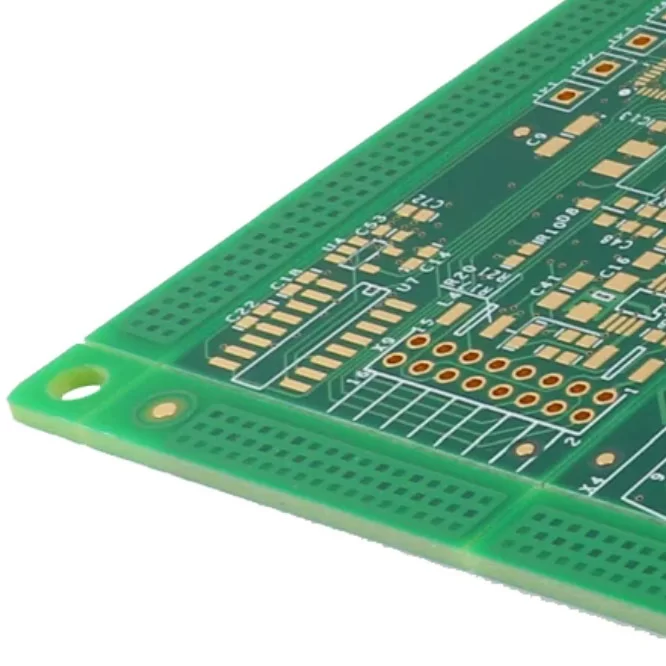
Advanced Rigid Flex PCB Solutions for Russia’s Industrial Evolution

Advanced Rigid Flex PCB Solutions for Russia’s Industrial Evolution

Advanced Rigid Flex PCB Solutions for Russia's Industrial Evolution

High-reliability electronic interconnects engineered for extreme climates and next-generation automotive electrification across the Russian federation.

Advanced Rigid Flex PCB Solutions for Russia's Industrial Evolution

Providing cutting-edge circuit board technology that bridges the gap between traditional industrial robustness and modern electronic miniaturization for the Russian market.

The Landscape of Electronic Components in Russia

Navigating the intersection of extreme environmental demands and rapid digitalization.

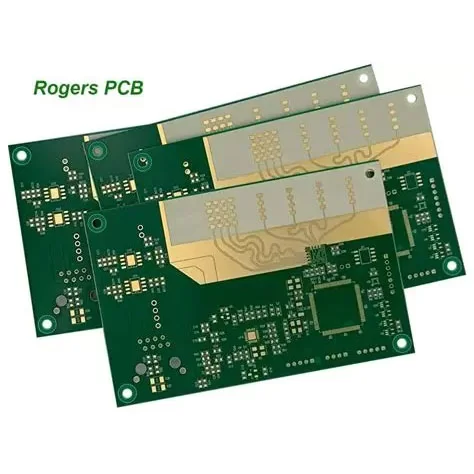
The Russian electronics sector is currently defined by a critical need for components that can withstand extreme temperature fluctuations, from Siberian freezes to southern heat. This has led to a surge in demand for a high-performance Printed Circuit Board capable of maintaining signal integrity under severe thermal stress.

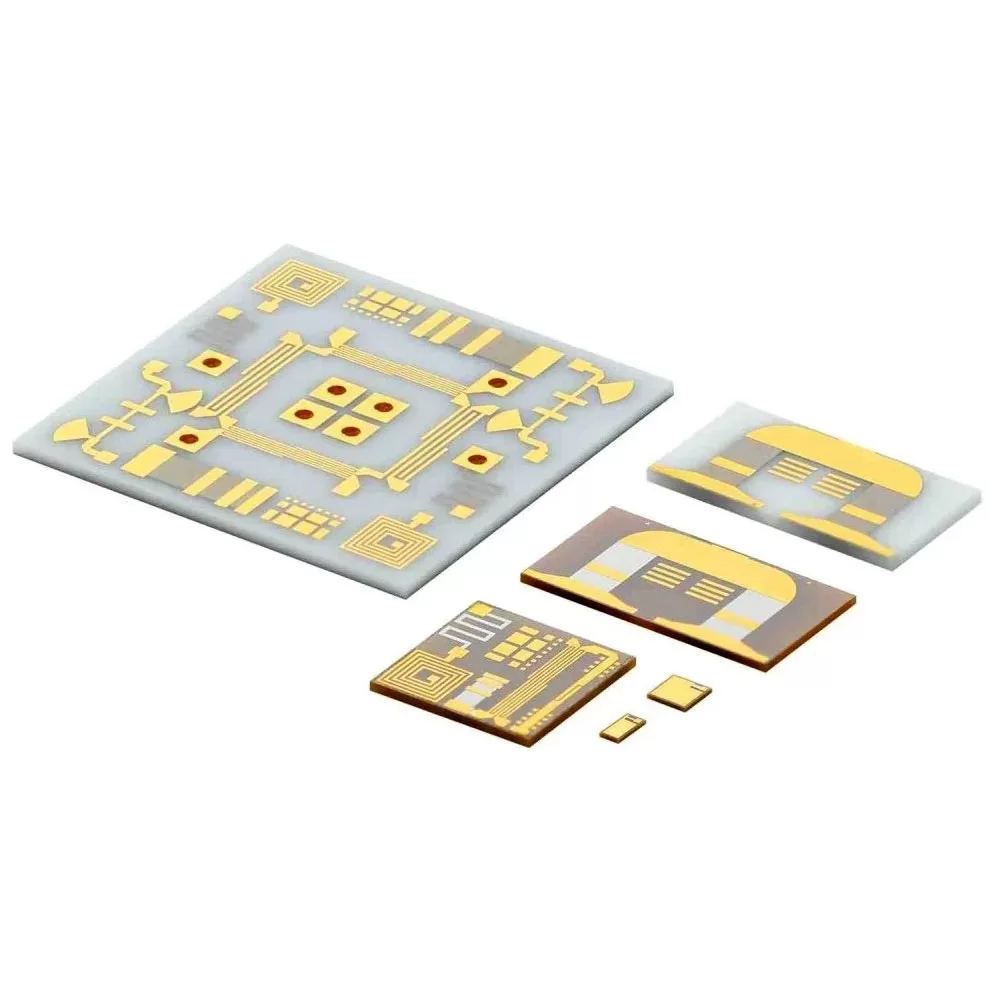
Economically, there is a strong push toward domestic technological sovereignty, forcing a transition from standard off-the-shelf components to highly customized Semiflex PCB designs that allow for tighter integration in aerospace and defense applications within the region.

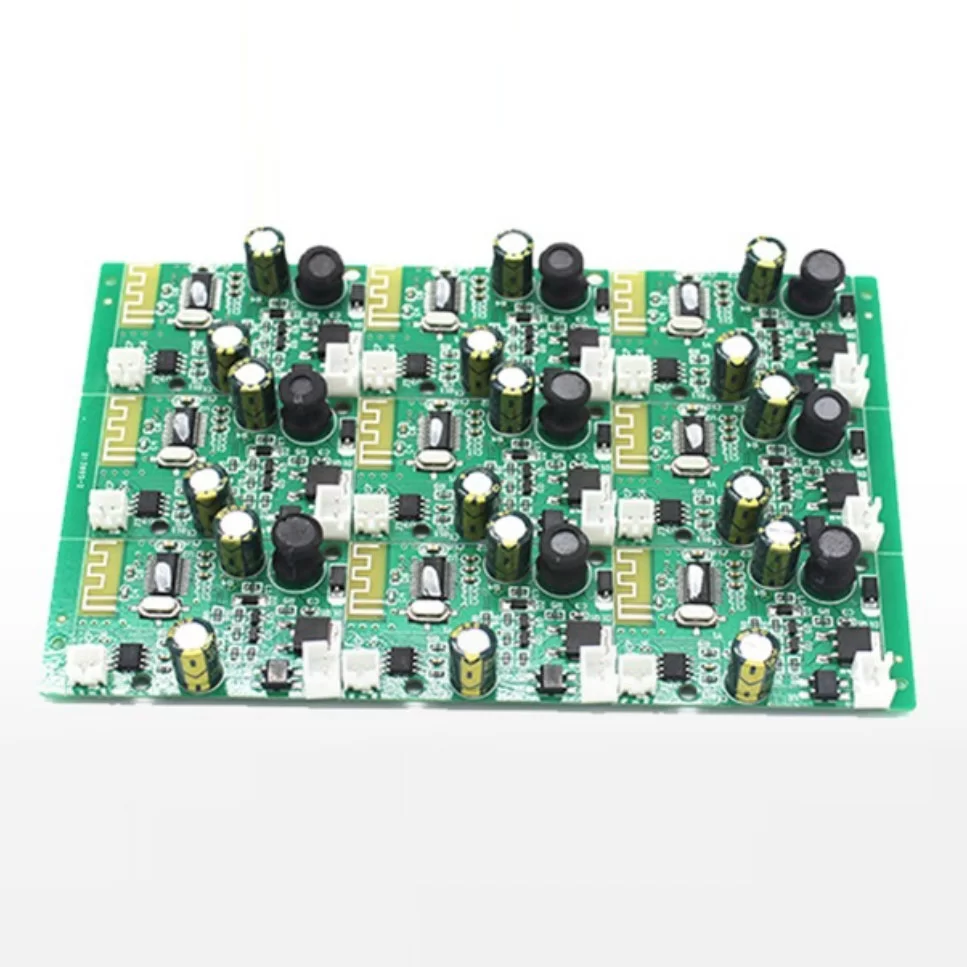
Furthermore, the expansion of urban infrastructure in cities like Moscow and St. Petersburg is driving a localized need for specialized Auto Electronics PCB Assembly to support the modernization of public transport and logistics fleets.
Technological Evolution of Russian Interconnects

From rigid industrial boards to agile, integrated electronic systems.

Market Development History

In the early 2000s, the Russian market relied heavily on oversized, rigid boards. The focus was purely on durability, often sacrificing space and weight to ensure survival in harsh industrial environments.

Between 2010 and 2020, a shift toward miniaturization occurred. The adoption of Rigid Flex PCB technology began to replace bulky wiring harnesses, significantly reducing failure points in vibration-heavy machinery.

Since 2021, the focus has pivoted toward the "Electric Mobility" era, where the integration of power electronics and high-voltage management has become the primary driver for PCB innovation.

Future Development Trends

Thermal Management Optimization

Future designs will integrate advanced heat-dissipation materials to handle the higher power densities required by Russian industrial automation.

Integration of Smart Sensing

We expect a move toward embedding sensors directly into the PCB layers to monitor real-time structural health in remote oil and gas installations.

Modular Power Architectures

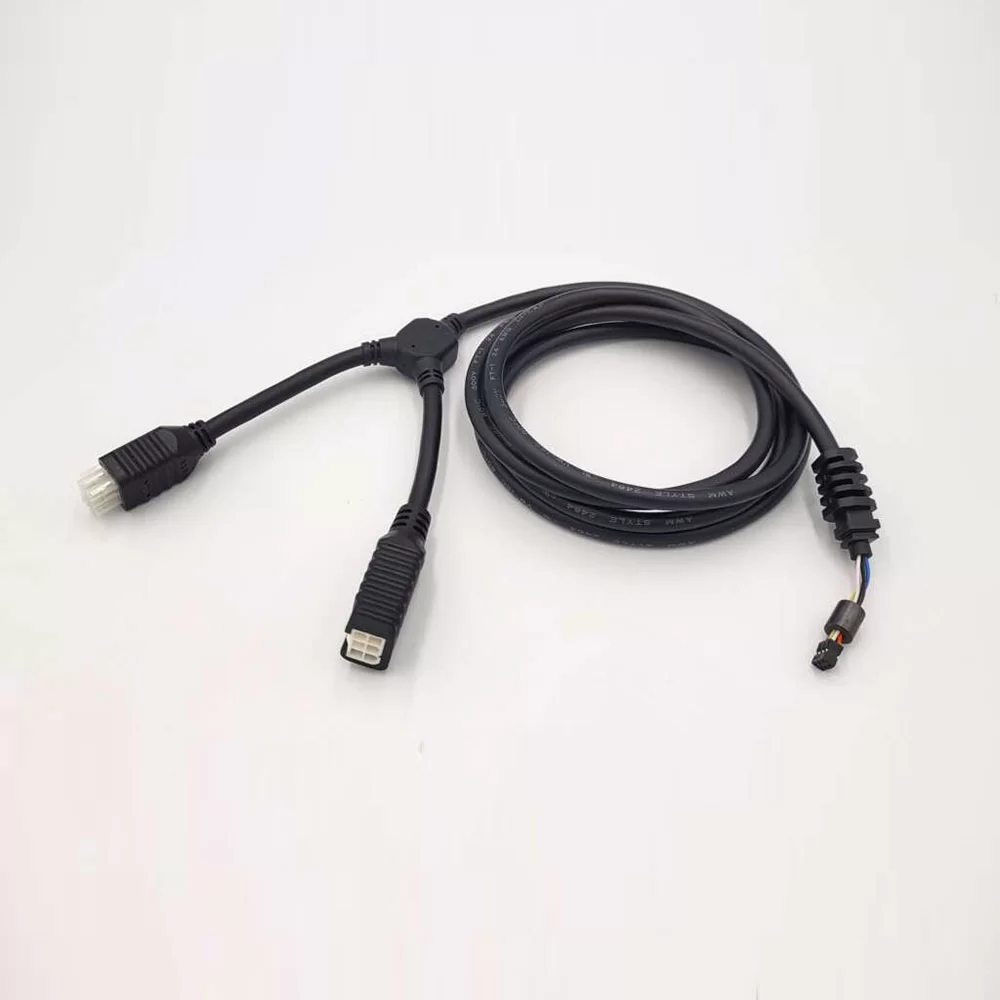
The transition toward decentralized power distribution will require more sophisticated electric vehicle wire harness systems to maximize efficiency.

Industry Trends & Future Outlook

Predicting the trajectory of electronic manufacturing based on global search and regional growth data.

EV Infrastructure Surge
Rapid growth in electric transit is driving the demand for high-current electric vehicle wire harness solutions.
Miniaturization Trend
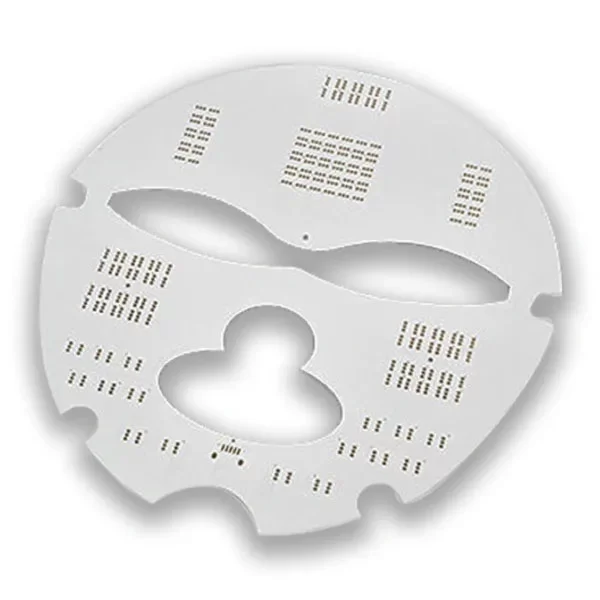
Shift toward Semiflex PCB to reduce device footprint in handheld industrial tools.
Automotive Intelligence
Increased complexity in ADAS requires precision Auto Electronics PCB Assembly.
Extreme Durability
Search trends show a rise in "ruggedized" and "mil-spec" circuitry for Arctic operations.

Industry Outlook

Over the next 3-5 years, the Russian electronic manufacturing sector will likely transition from basic assembly to high-complexity integration. The convergence of 5G and IoT in heavy industry will demand boards with higher layer counts and tighter tolerances.

Google search trends indicate a growing interest in sustainable materials and energy-efficient power conversion, suggesting that future PCBs will need to incorporate eco-friendly substrates without compromising on thermal performance.

Localized Application Scenarios in Russia

Real-world implementation of advanced circuitry in the Russian industrial landscape.

1. Arctic Oil & Gas Monitoring

Deployment of Printed Circuit Board systems designed for -60°C operations to monitor pipeline integrity in Northern Siberia.

2. Moscow Electric Bus Fleet

Implementing high-reliability Auto Electronics PCB Assembly for the centralized control units of the expanding city e-bus network.

3. Aerospace Telemetry Systems

Utilizing Rigid Flex PCB to maximize space in satellite communication modules, reducing cable weight for launch efficiency.

4. Industrial Robotics in Ural Region

Integration of Semiflex PCB in robotic arm joints for automotive manufacturing plants in the Ural industrial belt.

5. EV Charging Infrastructure

Developing high-voltage electric vehicle wire harness systems for ultra-fast charging stations across the Trans-Siberian highway.

Brand Story

Global Development Journey of Hub Circuits (Shenzhen) Co., Ltd.

Foundation of Excellence

Established with a vision to solve the most complex interconnect challenges in the electronic components industry.

Technological Breakthroughs

Mastered the art of high-layer count Rigid-Flex integration, eliminating common failure points in harsh environments.

Global Expansion

Expanded our footprint into Europe and Russia, tailoring our manufacturing processes to meet rigorous international standards.

Strategic Innovation

Developed specialized assembly lines for automotive electronics, focusing on the rapid growth of the EV sector.

Future-Proofing Industry

Committed to sustainable manufacturing and the continuous pursuit of zero-defect circuitry for global partners.

Complete Circuit Portfolio for the Russian Market

A comprehensive suite of electronic solutions designed for industrial resilience and automotive efficiency.

Russian Market FAQ

Addressing technical concerns for electronics manufacturing in the region.

How do you ensure Rigid Flex PCB reliability in Arctic temperatures?

We use specialized low-CTE (Coefficient of Thermal Expansion) materials and advanced polyimide films that remain flexible and crack-resistant at extreme sub-zero temperatures.

What is the lead time for custom Auto Electronics PCB Assembly for Russian OEMs?

Depending on complexity, our prototype-to-production cycle typically ranges from 2 to 6 weeks, with optimized logistics for Russian delivery.

Can Semiflex PCB designs reduce weight in aerospace applications?

Yes, by eliminating traditional connectors and wiring, our Semiflex solutions can reduce overall assembly weight by up to 30%.

Do your electric vehicle wire harness systems meet Russian safety standards?

Our harnesses are manufactured to meet international IEC and automotive-grade standards, ensuring compliance with regional safety and EMI/EMC requirements.

What certifications are available for Printed Circuit Board production?

We maintain ISO 9001 and IATF 16949 certifications, guaranteeing the quality levels required for automotive and industrial-grade electronics.

How do you handle signal integrity in high-speed Auto Electronics PCB Assembly?

We utilize controlled impedance routing and advanced shielding techniques to prevent interference in complex automotive electronic control units.

Consult Our Engineering Team

Ready to optimize your electronic infrastructure in Russia? Contact our specialists today for a technical consultation.

Contact Us Now

If you are interested in our products, you can choose to leave your information here, and we will be in touch with you shortly.