Advanced Auto Electronics PCB Assembly Solutions for Iran’s Industrial Sector

Advanced Auto Electronics PCB Assembly Solutions for Iran’s Industrial Sector

Advanced Auto Electronics PCB Assembly Solutions for Iran's Industrial Sector

Empowering Iran's electronic manufacturing with high-reliability interconnects and precision assembly tailored for extreme climates and industrial rigor.

Advanced Auto Electronics PCB Assembly Solutions for Iran's Industrial Sector

We provide end-to-end electronics manufacturing services for the Iranian market, specializing in high-density Printed Circuit Board fabrication and complex assembly to support local automotive and industrial innovation.

The State of Electronics Manufacturing in Iran

Analyzing the intersection of regional industrial needs and advanced PCB technology.

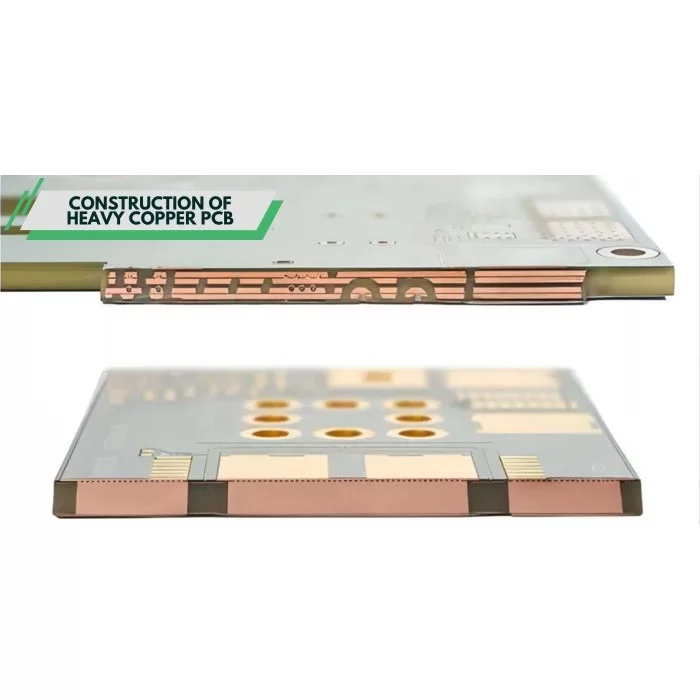
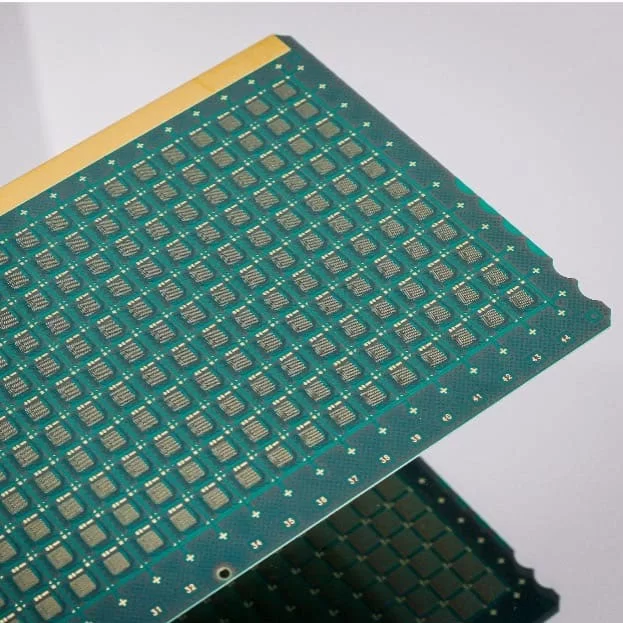
The manufacturing landscape in Iran is characterized by a strong drive toward self-sufficiency, particularly in the automotive and industrial control sectors. Due to the regional climate—ranging from extreme heat in the south to cold highlands—electronics must withstand severe thermal cycling, making high-grade Rigid Flex PCB essential for durability in volatile environments.

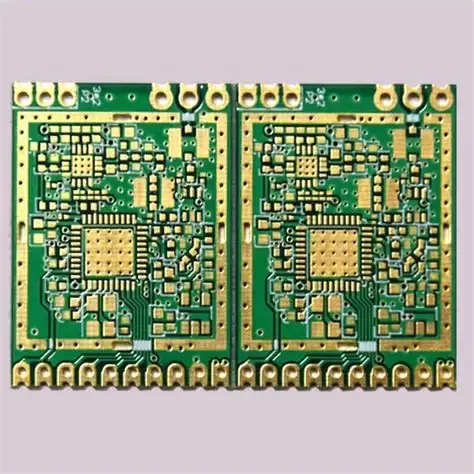
Economic shifts have pushed local firms to transition from simple assembly to complex system integration. There is a growing demand for Semiflex PCB designs that allow for tighter packaging in industrial machinery, reducing the footprint of control units while maintaining signal integrity under high electromagnetic interference (EMI).

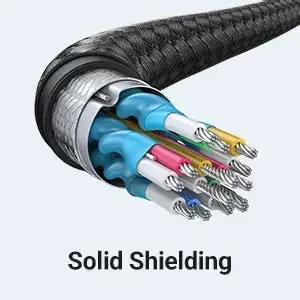
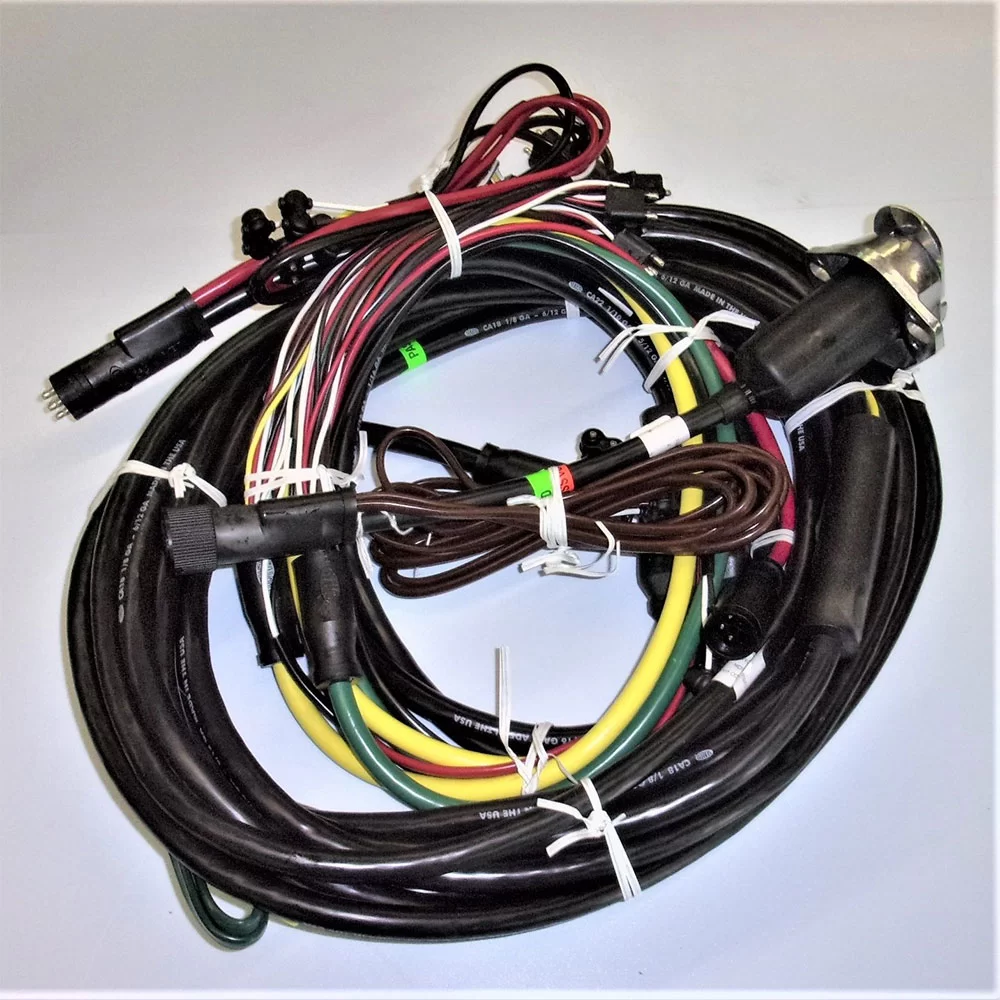
Furthermore, the emergence of domestic electric mobility initiatives has created an urgent need for specialized electric vehicle wire harness systems. These systems must integrate seamlessly with power electronics, requiring a synergy between robust wiring and precision-engineered boards to ensure safety and efficiency.
Evolution of Circuit Technology in the Region

From traditional rigid boards to the era of flexible integration.

Market Development History

In the early 2000s, the Iranian market relied heavily on basic single-sided and double-sided boards for simple electronic repairs and basic industrial timers. The focus was primarily on cost-effective, low-complexity fabrication.

Between 2010 and 2018, a technological pivot occurred as the automotive sector modernized. This era saw the introduction of multi-layer boards and a shift toward specialized Auto Electronics PCB Assembly to support the digitalization of engine control units (ECUs).

From 2019 to the present, the focus has shifted toward miniaturization and hybrid structures. The adoption of advanced materials to combat oxidation in humid coastal regions has led to the widespread use of high-TG materials and conformal coatings.

Future Development Trends

Integration of AI-Driven Control

Expected growth in AI-enabled industrial sensors will require boards with higher processing density and superior thermal management.

Transition to EV Infrastructure

As Iran explores greener transport, the demand for high-voltage electric vehicle wire harness will grow exponentially to support battery management systems.

Adoption of 3D Interconnects

Future designs will move toward fully integrated 3D structures, utilizing hybrid rigid-flex technologies to eliminate connectors and reduce failure points.

Industry Trends and Future Outlook

Predicting the trajectory of electronic components for the next 5 years.

Miniaturization Focus
Increased reliance on HDI and micro-vias to fit complex logic into smaller industrial housings.
Thermal Resilience
Shift toward advanced ceramic-filled substrates to handle heat in desert-like conditions.
Smart Connectivity
Integration of IoT protocols directly into the PCB layout for remote industrial monitoring.
Sustainable Sourcing
Increasing demand for lead-free and RoHS compliant components to align with global standards.

Industry Outlook

Based on regional search data and industrial growth patterns, we anticipate a 15% annual increase in the demand for hybrid circuitry. The synergy between local automotive assembly and high-tech PCB imports will accelerate the adoption of "smart-factory" components.

The long-term outlook points toward a convergence of power electronics and data processing, where the PCB is no longer just a substrate but a functional thermal and mechanical component of the device.

Localized Application Scenarios in Iran

Real-world deployments of our electronic solutions across various sectors.

01. Automotive Control Systems

Deployment of Auto Electronics PCB Assembly for local car manufacturers to enhance ECU stability in high-temperature desert environments.

02. Industrial Automation Panels

Using Printed Circuit Board solutions for PLC systems in oil and gas refineries, focusing on corrosion resistance.

03. Medical Device Miniaturization

Implementation of Semiflex PCB in portable diagnostic equipment used in rural healthcare clinics across Iran.

04. EV Power Distribution

Integration of high-current electric vehicle wire harness for new electric bus prototypes in Tehran's public transport.

05. Aerospace Component Integration

Utilizing Rigid Flex PCB for lightweight, high-reliability avionics systems in domestic drone and satellite research.

Brand Story

Global Development Journey of Hub Circuits (Shenzhen) Co., Ltd.

Foundational Excellence

Established as a precision manufacturer in Shenzhen, focusing on solving the core stability issues of industrial PCBs.

Technological Breakthroughs

Pioneered advanced hybrid flex-rigid processes to serve the global telecommunications and medical markets.

Global Expansion

Extended operations to the Asia-Pacific and Middle East, adapting standards to meet local environmental challenges.

Automotive Specialization

Developed dedicated assembly lines for automotive-grade electronics, achieving strict IATF 16949 compliance.

Vision for Tomorrow

Committed to driving the "Smart Manufacturing" revolution by integrating AI-driven quality control in every board.

Complete Electronics Portfolio for the Iranian Market

A comprehensive suite of products designed for durability and performance in diverse industrial settings.

Local Industry FAQ

Expert answers to common technical and logistical queries in the region.

How do you ensure the durability of Printed Circuit Board in Iran's extreme heat?

We utilize high-Tg (Glass Transition Temperature) resins and specialized thermal vias to ensure the boards maintain structural integrity and performance even at high operating temperatures.

What are the advantages of Rigid Flex PCB for automotive use?

Rigid-flex designs eliminate the need for bulky connectors and wiring, reducing weight and increasing reliability by removing potential vibration-induced failure points.

Can you provide Auto Electronics PCB Assembly with IATF 16949 standards?

Yes, our facility adheres to strict automotive quality management systems to ensure zero-defect assembly for critical safety components.

What is the lead time for custom electric vehicle wire harness production?

Lead times vary by complexity, but we offer expedited prototyping and scalable mass production to meet urgent project timelines.

Is Semiflex PCB suitable for industrial sensors?

Absolutely. Semiflex PCBs offer the perfect balance of rigidity for component mounting and flexibility for installation in tight industrial spaces.

Do you support localized design optimization for Iranian industrial standards?

Our engineering team works closely with clients to optimize layouts for local power grids and environmental conditions to maximize product lifespan.

Get Expert Technical Support

Our specialists are ready to help you optimize your electronic manufacturing processes in Iran. Let's build the future of industry together.

Contact Us Now

If you are interested in our products, you can choose to leave your information here, and we will be in touch with you shortly.